


Nocturnal bruxism, commonly known as teeth grinding at night, exerts excessive mechanical force on dental structures. This repetitive stress can lead to enamel wear, dentin exposure, and increased susceptibility to cavities. Beyond dental damage, it may cause musculoskeletal discomfort in the jaw and surrounding areas. Understanding the underlying causes and identifying early signs is essential for effective management. The complexities of diagnosis and treatment strategies warrant careful consideration to mitigate long-term oral health consequences.
What Is Nocturnal Bruxism?
Nocturnal bruxism is a sleep-related movement disorder characterized by repetitive clenching or grinding of the teeth during sleep. It is classified among parafunctional nocturnal habits that occur independently of normal oral functions. This phenomenon is often observed in conjunction with other sleep disorders, such as sleep apnea or restless leg syndrome, which may exacerbate its frequency and severity. Nocturnal bruxism involves rhythmic or sustained contraction of the masticatory muscles, leading to significant dental wear and orofacial discomfort. Polysomnographic studies have demonstrated its association with micro-arousals and autonomic nervous system activation during sleep. Diagnosis typically relies on clinical examination, patient history, and, when necessary, sleep laboratory evaluations. Understanding nocturnal bruxism is essential for developing targeted interventions aimed at minimizing its detrimental effects on dental health and overall sleep quality.
Common Causes of Teeth Grinding at Night
Although teeth grinding during sleep can arise from multiple factors, it is primarily influenced by a combination of physiological, psychological, and environmental contributors. Stress factors represent a significant psychological influence, often triggering increased muscle activity during sleep. Additionally, sleep disorders such as obstructive sleep apnea and periodic limb movement disorder disrupt normal sleep architecture, increasing the likelihood of nocturnal bruxism. Physiological elements include abnormal bite alignment and certain neurological conditions that affect muscle control. Environmental influences, such as excessive caffeine or alcohol intake, may exacerbate grinding episodes. Understanding these causes is essential for accurate diagnosis and effective management of nocturnal bruxism, as the interplay between stress factors and sleep disorders often dictates symptom severity and treatment approaches.
Signs and Symptoms to Watch For
Recognizing the signs and symptoms associated with teeth grinding during sleep is fundamental for timely identification and intervention. Individuals may exhibit persistent jaw pain, headaches upon waking, or increased dental sensitivity, often indicative of nocturnal bruxism. Audible grinding sounds detected by a bed partner can also signal the presence of this condition. Sleep disorders such as obstructive sleep apnea frequently correlate with bruxism, necessitating thorough evaluation. Additionally, chronic stress and ineffective stress management contribute considerably to the development and exacerbation of teeth grinding episodes. Early recognition facilitates appropriate diagnostic measures, including polysomnography when indicated, and guides targeted therapeutic strategies to mitigate adverse outcomes. Monitoring these clinical manifestations enables healthcare providers to address underlying etiologies and prevent progression.
How Teeth Grinding Affects Dental Health
Teeth grinding exerts significant mechanical stress on dental structures, leading to progressive enamel erosion, increased tooth sensitivity, and structural damage such as cracks or fractures. The repetitive friction accelerates enamel wear, compromising the tooth’s protective outer layer and exposing underlying dentin. This exposure heightens susceptibility to dental erosion caused by acids from dietary sources or bacterial metabolism. Additionally, the cumulative effect of grinding can alter occlusal surfaces, impairing proper bite alignment and potentially exacerbating wear patterns. Over time, these changes increase the risk of dental caries and may necessitate restorative interventions. The damage is often asymptomatic initially, complicating early diagnosis. Consequently, understanding the precise impact of grinding on enamel wear and dental erosion is critical for timely clinical assessment and implementation of preventive or therapeutic measures to preserve dental integrity.
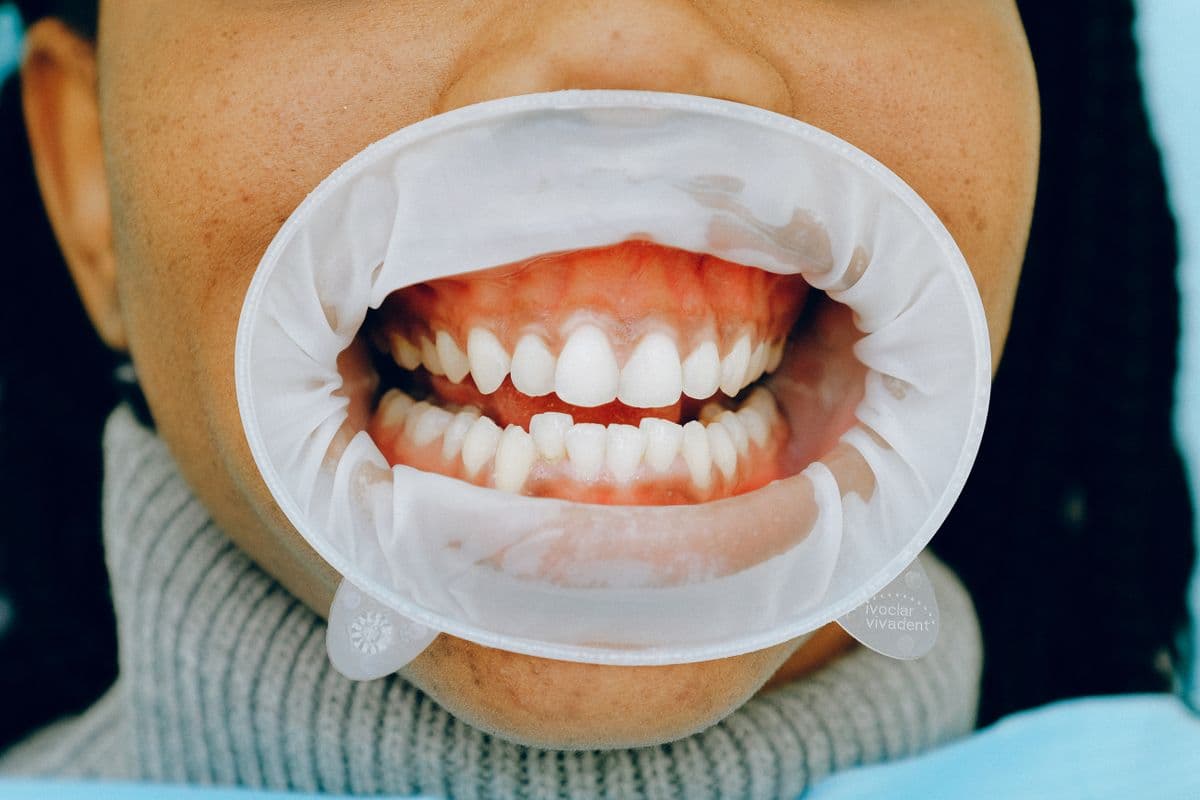
The Impact on Jaw and Facial Muscles
When subjected to repetitive clenching and grinding forces during sleep, the jaw and facial muscles experience increased tension and fatigue. This persistent jaw tension leads to muscle overuse, resulting in soreness and reduced functional capacity. Muscle fatigue impairs the muscles’ ability to relax, contributing to discomfort and sometimes pain. Prolonged strain can also cause microtrauma in muscle fibers, exacerbating dysfunction. Key consequences include:
- Elevated muscle tone causing stiffness
- Trigger points inducing localized pain
- Reduced mandibular mobility due to muscle tightness
- Increased susceptibility to temporomandibular joint disorders
- Chronic muscle fatigue impairing normal oral functions
These effects underscore the importance of addressing nocturnal teeth grinding to prevent long-term musculoskeletal complications in the jaw and facial regions.
Diagnosing Nighttime Teeth Grinding
The presence of muscle fatigue and joint discomfort often signals underlying nocturnal bruxism, prompting the need for accurate diagnostic methods. Diagnosis begins with a thorough dental examination to identify signs such as tooth wear, enamel fractures, and gingival recession. Palpation of masticatory muscles and temporomandibular joint assessment further aid in evaluating functional impairment. When clinical findings are inconclusive, a polysomnographic sleep study with electromyographic monitoring provides definitive evidence by recording jaw muscle activity during sleep. This diagnostic approach quantifies bruxism episodes and distinguishes them from other sleep-related disorders. Accurate identification of nighttime teeth grinding through these methods is essential for establishing appropriate management strategies and preventing progressive oral damage.
Treatment Options for Bruxism
Although the underlying causes of bruxism vary, effective treatment necessitates a multifaceted approach aimed at mitigating symptoms, preventing dental damage, and addressing contributing factors. Management often involves the use of dental appliances, such as custom-fitted night guards, designed to protect tooth surfaces from grinding forces. Behavioral therapies play a critical role in modifying habits and reducing muscle hyperactivity. Pharmacological interventions may be considered in refractory cases. Additionally, addressing stress and sleep disorders contributes to thorough care.
Key treatment options include: - Custom dental appliances to shield teeth - Behavioral therapies to alter parafunctional habits - Muscle relaxants or botulinum toxin injections for severe cases - Stress management techniques integrated into treatment - Sleep hygiene improvement when correlated with bruxism
These approaches collectively reduce the impact of nocturnal teeth grinding.
Preventative Measures to Protect Your Teeth
Numerous strategies exist to prevent dental damage caused by nocturnal teeth grinding, focusing on minimizing mechanical stress and preserving enamel integrity. Custom-fitted mouth guards serve as a primary preventative measure by creating a protective barrier between occlusal surfaces, reducing attrition and enamel wear. These devices, fabricated from durable biocompatible materials, distribute occlusal forces evenly, mitigating microfractures and tooth mobility. Complementary to mechanical protection, stress management techniques address psychological factors contributing to bruxism. Cognitive-behavioral therapy, relaxation exercises, and biofeedback can reduce parafunctional jaw activity by modulating central nervous system arousal. Additionally, lifestyle modifications, including sleep hygiene optimization and avoidance of stimulants, support symptom reduction. An interdisciplinary approach combining oral appliance therapy with behavioral interventions enhances long-term outcomes, preserving dental structures and preventing progressive deterioration associated with chronic nocturnal bruxism.
Frequently Asked Questions
Can Teeth Grinding at Night Be Linked to Sleep Apnea?
Teeth grinding at night can be linked to sleep apnea due to airway obstruction causing sleep disturbances. The micro-arousals trigger bruxism as a physiological response to restore airway patency, indicating a complex interrelation between these conditions.
Are Certain Foods Known to Worsen Nocturnal Bruxism?
Certain foods, particularly those high in caffeine consumption and acidic foods, have been associated with exacerbating nocturnal bruxism. Their stimulatory and irritative effects potentially increase muscle activity during sleep, intensifying teeth grinding episodes.
How Does Stress Management Impact Teeth Grinding Frequency?
Stress management greatly reduces teeth grinding frequency by promoting stress reduction and anxiety relief. Effective techniques lower muscle tension and sympathetic nervous system activation, thereby decreasing nocturnal bruxism episodes and minimizing associated dental complications.
Can Children Outgrow Nighttime Teeth Grinding Naturally?
Children often outgrow nighttime teeth grinding naturally as part of normal child development. Changes in nighttime habits and maturation of neuromuscular control typically reduce grinding frequency without intervention by late childhood or adolescence.
Is There a Genetic Predisposition to Bruxism?
Genetic factors contribute greatly to bruxism, with studies indicating a higher prevalence among individuals with a positive family history. This suggests heritable components influence susceptibility, though environmental factors also modulate expression and severity of the condition.