

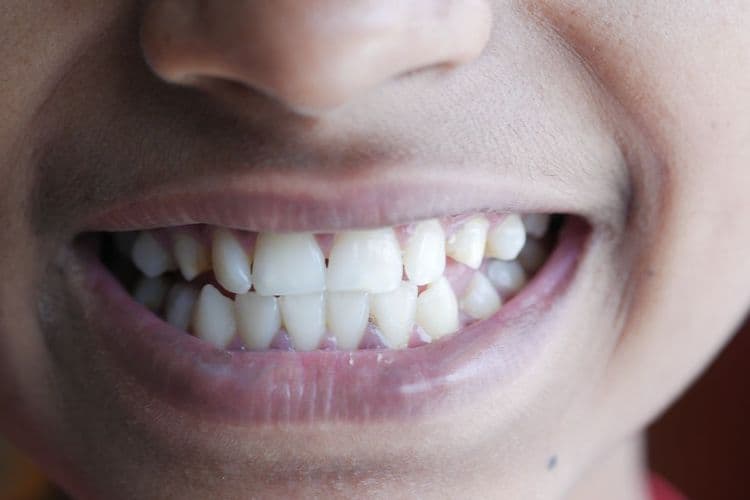
Teeth shifting after age 30 is a common phenomenon influenced by physiological and environmental factors. Changes in jawbone density, periodontal ligament elasticity, and gum health contribute to gradual tooth movement. Additionally, habits such as bruxism and the loss of adjacent teeth can accelerate this process, potentially impacting oral function and aesthetics. Understanding the underlying causes is essential for managing and preventing further misalignment, but the complexity of these factors warrants closer examination.
Common Causes of Teeth Shifting in Adults
Although teeth are often perceived as stable structures in adulthood, various factors contribute to their gradual shifting after age 30. One primary cause is tooth wear, which alters the morphology of occlusal surfaces, potentially disrupting the equilibrium of bite forces. This wear can lead to changes in bite alignment, creating imbalances that facilitate tooth movement. Additionally, periodontal ligament elasticity allows for continuous, albeit slow, positional adjustments in response to functional stresses. Habits such as bruxism or malocclusion further exacerbate this process by applying abnormal forces that promote displacement. Furthermore, the loss of adjacent teeth without timely replacement results in drifting as neighboring teeth migrate into the void. Collectively, these factors compromise dental stability, underscoring the dynamic nature of adult dentition beyond skeletal maturity.
How Jaw Changes Affect Tooth Alignment
Age-related reduction in jawbone density compromises structural support for teeth, facilitating their gradual displacement. Concurrently, altered muscle forces exert uneven pressure on the dental arch, influencing tooth positioning. These biomechanical changes collectively contribute to shifts in tooth alignment after age 30.
Jawbone Density Reduction
When the jawbone undergoes density reduction, the structural support for teeth diminishes, leading to increased susceptibility to shifting and misalignment. Age related changes in jawbone health include decreased bone mineral density and resorption processes that compromise alveolar bone integrity, critical for tooth anchorage. This reduction in bone volume and quality alters the spatial stability of teeth, enabling minor positional shifts that accumulate over time. Additionally, diminished jawbone density can impair periodontal ligament function, further destabilizing tooth alignment. These physiological modifications are gradual but significant contributors to the malocclusion observed in adults over 30. Maintaining jawbone health through adequate nutrition, bone-stimulating activities, and addressing systemic conditions is essential to mitigate density loss and preserve dental alignment.
Muscle Pressure Impact
As the jaw undergoes anatomical and functional changes over time, the forces exerted by masticatory muscles play a critical role in influencing tooth positioning. Muscle tension, particularly from the masseter and temporalis muscles, applies continuous pressure on the jawbone and teeth. These forces can induce subtle shifts in tooth alignment by altering occlusal contacts and promoting remodeling within the alveolar bone. Additionally, changes in facial structure due to muscle atrophy or hypertrophy modify the vector and magnitude of these forces, further impacting dental positioning. Over time, this dynamic interplay between muscle tension and skeletal adaptation contributes to the gradual migration of teeth, especially in adults over age 30. Understanding these biomechanical factors is essential for diagnosing and managing adult orthodontic concerns related to muscle-induced tooth movement.
The Role of Gum Health in Teeth Movement
Gum health substantially influences tooth stability, as periodontal disease can lead to the degradation of supporting tissues, facilitating tooth movement. Inflammatory processes associated with gum disease alter the periodontal ligament and alveolar bone, contributing to shifts in tooth positioning. Preventative measures targeting gum inflammation are essential to mitigate unintended dental displacement in adults over 30.
Gum Disease Impact
Periodontal disease constitutes a primary factor influencing teeth displacement in adults over 30. This condition leads to the progressive destruction of the supporting structures of teeth, including the alveolar bone and periodontal ligament. As periodontal disease advances, gum recession frequently occurs, exposing root surfaces and diminishing the attachment apparatus essential for tooth stability. The resultant loss of periodontal support facilitates abnormal tooth mobility and spatial alterations within the dental arch. Additionally, bacterial colonization and subsequent tissue breakdown exacerbate structural compromise, further promoting tooth migration. Clinical management of periodontal disease is critical to arresting these pathological changes and maintaining occlusal integrity. Consequently, early detection and intervention targeting gum recession and periodontal disease are imperative to mitigate the risk of significant teeth shifting in the adult population.
Inflammation and Teeth Movement
Inflammatory processes play a pivotal role in the dynamics of teeth movement, particularly through their impact on the periodontal tissues. The inflammatory response, triggered by bacterial biofilms and poor oral hygiene, leads to the release of cytokines and enzymes that degrade collagen and alveolar bone. This degradation compromises the structural support of teeth, facilitating their migration. Chronic inflammation can accelerate periodontal ligament remodeling, intensifying tooth mobility. In addition, the balance between bone resorption and formation is disrupted, promoting undesirable shifts in tooth position. Effective oral hygiene mitigates the inflammatory response, preserving periodontal integrity and stabilizing teeth alignment. Consequently, inflammation is a critical mediator in post-adult teeth shifting, emphasizing the importance of maintaining periodontal health to limit pathological tooth movement.
Preventing Gum-Related Shifts
Although teeth shifting after age 30 is influenced by multiple factors, maintaining ideal soft tissue health is essential in preventing unwanted dental migration. Effective gum care mitigates periodontal inflammation, which can compromise the integrity of the periodontal ligament and alveolar bone, structures critical for tooth stability. Consistent oral hygiene practices, including proper brushing and interdental cleaning, reduce plaque accumulation, a primary etiological factor in gum disease. Professional dental evaluations facilitate early detection and management of gingival recession and periodontitis, conditions that accelerate tooth mobility and positional changes. Adjunctive interventions such as antimicrobial rinses and scaling contribute to maintaining periodontal homeostasis. Therefore, rigorous gum care and oral hygiene are indispensable in preserving periodontal support, minimizing pathological shifts, and ensuring long-term occlusal equilibrium after the third decade of life.
Impact of Teeth Grinding and Clenching
Teeth grinding and clenching, also known as bruxism, exert excessive mechanical forces on the dentition that can accelerate tooth movement and alter occlusal relationships. The bruxism effects include increased tooth mobility, enamel wear, and potential shifting of teeth due to the persistent pressure exerted during parafunctional activity. These forces disrupt the periodontal ligament’s equilibrium, facilitating unwanted displacement over time. Additionally, bruxism can exacerbate pre-existing malocclusions, further complicating occlusal stability. Effective stress management is essential to mitigate these forces, as psychological stress is a significant contributing factor to bruxism. Interventions such as behavioral therapy, relaxation techniques, and occlusal splints serve to reduce the intensity and frequency of grinding and clenching episodes, thereby preserving dental alignment and preventing premature tooth movement after age 30.
Signs Your Teeth Are Shifting
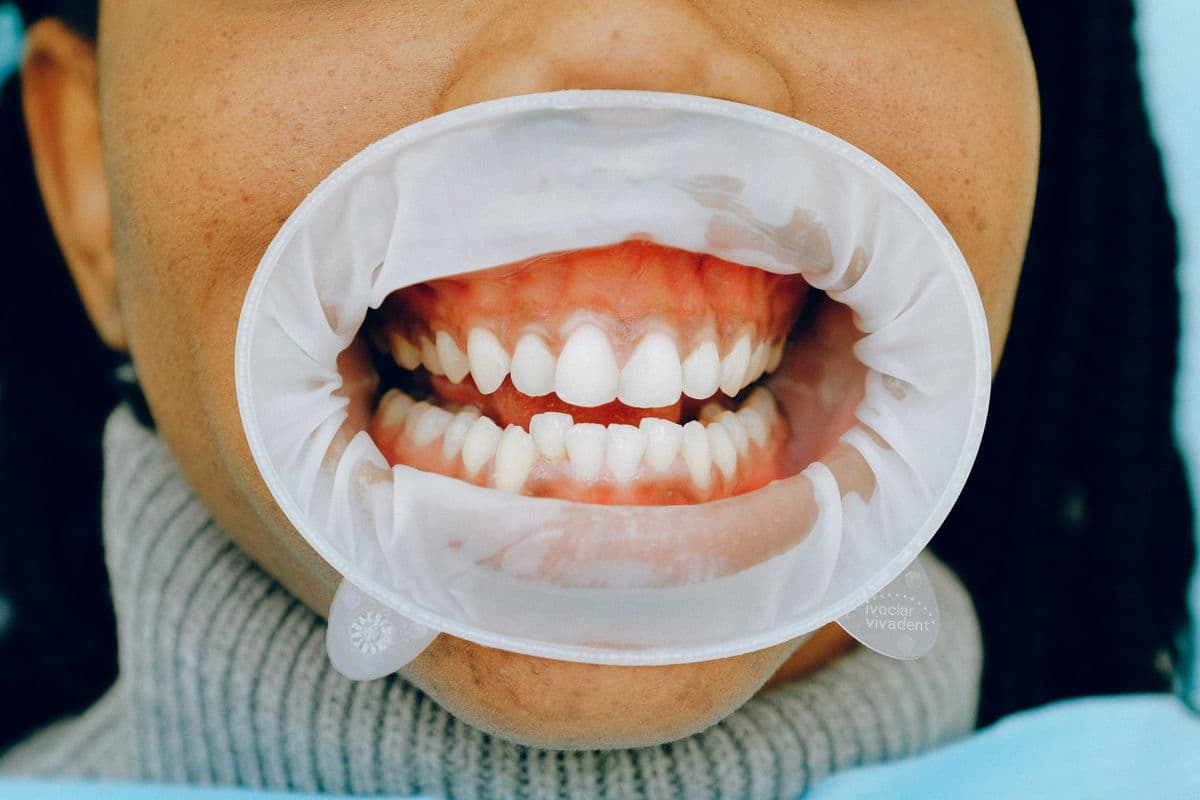
How can one accurately identify the shifting of dental structures in adults over 30? Observable indicators include changes in teeth alignment, such as overlapping, crowding, or increased spacing between teeth. Patients may report altered bite sensation, difficulty chewing, or discomfort due to misalignment. Additionally, subtle modifications in smile aesthetics may signal underlying positional changes. Clinicians assess these signs through periodic dental examinations and imaging techniques like panoramic radiographs or digital scans to evaluate structural shifts. Early detection is critical as teeth displacement can affect overall dental health by increasing susceptibility to gum disease, enamel wear, and temporomandibular joint dysfunction. Monitoring these clinical signs enables timely intervention to address evolving malocclusion and maintain oral function and integrity.
Preventive Measures to Maintain Teeth Position
Numerous strategies exist to preserve dental alignment and prevent unwanted tooth movement in adults over 30. The consistent use of orthodontic retainers, either fixed or removable, is critical in maintaining teeth position post-treatment by stabilizing the periodontal ligament and alveolar bone. Regular dental checkups facilitate early detection of minor shifts and allow timely intervention. Professional cleanings during these visits reduce plaque accumulation, mitigating periodontal disease risk, a known contributor to tooth mobility. Additionally, avoiding parafunctional habits such as bruxism and monitoring occlusal forces can minimize mechanical stress on teeth. Maintaining ideal oral hygiene and addressing any restorative issues promptly further support structural integrity. Collectively, these preventive measures help maintain dental alignment and reduce the likelihood of progressive tooth displacement in individuals beyond 30 years of age.
Orthodontic Options for Adults
Although orthodontic treatment is often associated with adolescence, a variety of effective options are available for adults seeking to correct dental misalignment. Traditional braces remain a reliable choice, utilizing brackets and wires to apply continuous pressure, gradually repositioning teeth. This method is highly effective for complex cases involving significant tooth movement or bite correction. Alternatively, clear aligners offer a discreet, removable solution suitable for mild to moderate alignment issues. These custom-fitted trays incrementally adjust teeth position with periodic replacements. Both modalities require professional supervision to monitor progress and guarantee ideal outcomes. Adult orthodontic treatment must consider periodontal health and bone density, as these factors influence the effectiveness and duration of therapy. Ultimately, selecting an appropriate orthodontic option depends on individual anatomical conditions, treatment goals, and lifestyle considerations.
When to Consult a Dental Professional
Deciding when to seek professional dental evaluation is a key component of managing tooth movement effectively. Timely consultation allows for accurate diagnosis and the identification of appropriate treatment options to prevent further complications. Individuals should consider scheduling a dental evaluation under the following circumstances:
- Noticeable changes in tooth alignment or spacing.
- Discomfort or difficulty in biting and chewing.
- Recurring gum inflammation or recession.
- History of orthodontic treatment with signs of relapse.
Early intervention through professional assessment facilitates the selection of precise treatment options, such as orthodontic adjustments or retention strategies, tailored to adult patients. Regular dental evaluations are essential for monitoring progression and ensuring ideal oral health outcomes in cases of shifting teeth after age 30.
Frequently Asked Questions
Can Diet Influence Teeth Shifting After Age 30?
Dietary habits can indirectly influence teeth shifting through nutrition impact on bone density and periodontal health. Inadequate intake of calcium and vitamin D may weaken alveolar bone, potentially exacerbating tooth movement due to decreased structural support.
Does Pregnancy Affect Adult Teeth Alignment?
Pregnancy hormones can impact dental health by increasing gum inflammation and loosening periodontal ligaments, potentially causing minor teeth movement. However, significant teeth alignment changes during pregnancy are uncommon and typically reversible postpartum with proper oral care.
How Does Aging Impact Dental Bone Density?
Aging effects cause progressive bone loss in the jaw, reducing dental bone density. This decrease compromises tooth stability, potentially leading to increased tooth mobility and shifts, necessitating careful monitoring and potential intervention in older adults.
Are Certain Medications Linked to Teeth Movement?
Certain medication types, such as anticonvulsants, calcium channel blockers, and bisphosphonates, are linked to dental side effects including altered bone remodeling and gingival overgrowth, potentially contributing to teeth movement and structural changes in the oral cavity.
Can Teeth Whitening Treatments Cause Shifting?
Whitening techniques primarily target enamel effects and do not directly cause teeth shifting. However, excessive or improper use may weaken enamel, potentially contributing to minor movement indirectly, though such cases remain clinically rare and lack substantial empirical support.