

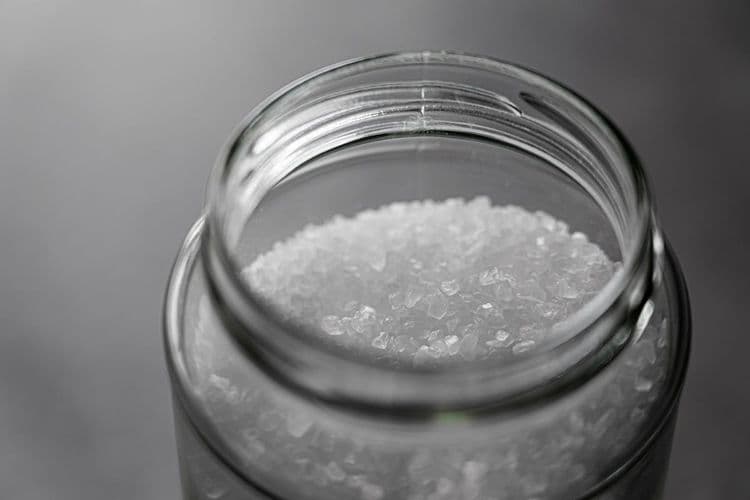
Gum infections, commonly caused by bacterial accumulation and poor oral hygiene, present a significant challenge to oral health. Salt water rinses have long been recommended as a home remedy, attributed with reducing inflammation and inhibiting bacterial growth through osmotic effects. While these rinses may offer symptomatic relief, their ability to fully resolve infections remains uncertain. Understanding the mechanisms and limitations of salt water treatment is essential before considering it a definitive solution.
What Causes Gum Infections?
Although gum infections can arise from various factors, they primarily result from the accumulation of bacterial plaque on the teeth and gums. This plaque harbors pathogenic bacteria that initiate inflammation in the gingival tissues, leading to the onset of gum disease. The primary causes of infections include poor oral hygiene, which allows plaque to persist and mineralize into calculus, further exacerbating tissue irritation. Additional contributors encompass smoking, systemic conditions such as diabetes, and certain medications that reduce saliva flow, impairing natural cleansing mechanisms. Mechanical trauma or poorly fitting dental appliances may also compromise gum integrity, facilitating bacterial invasion. Understanding these causes of infections is essential for effective prevention and management of gum disease, as early intervention can halt progression and prevent more severe periodontal complications.
How Salt Water Rinses Work on Gum Tissue
Addressing the bacterial accumulation and inflammation that characterize gum infections often involves adjunctive treatments to conventional oral hygiene practices. Salt water rinses function through several mechanisms affecting gum tissue:
- Osmotic Effect: The salt concentration creates a hypertonic environment, drawing out excess fluid from inflamed gum tissues, reducing swelling.
- Antimicrobial Action: Salt interferes with bacterial cell membranes, impairing pathogen adherence and proliferation.
- pH Modulation: Salt water can neutralize acidic environments, limiting bacterial growth conducive to infection.
- Tissue Healing Promotion: Regular rinse frequency supports debris removal and enhances blood circulation, facilitating tissue repair.
Optimal salt concentration and rinse frequency are critical to maximize benefits while minimizing mucosal irritation. These factors collectively contribute to salt water rinses’ role as a supportive measure in managing gum infections.
Scientific Evidence Supporting Salt Water Benefits
Numerous studies have demonstrated the antibacterial properties of salt water, which can inhibit the growth of oral pathogens. Additionally, evidence indicates that salt water rinses contribute to the reduction of inflammation in gum tissues. Research also supports the role of saline solutions in promoting wound healing by facilitating tissue repair and maintaining a balanced oral environment.
Antibacterial Properties
When evaluating the antibacterial properties of salt water, scientific studies indicate that saline solutions can inhibit the growth of certain oral pathogens. The antibacterial mechanisms are primarily linked to osmotic effects induced by salt concentration, which disrupt bacterial cell walls and impede metabolism. Research highlights the following:
- Hypertonic saline environments cause plasmolysis in bacteria, reducing viability.
- Salt water alters pH, creating unfavorable conditions for bacterial proliferation.
- The mechanical action of rinsing with saline aids in dislodging bacterial biofilms.
- Salt concentration is critical; concentrations too low lack efficacy, while excessively high levels may irritate tissues.
These findings support the role of salt water rinses as an adjunctive measure in managing oral bacterial load associated with gum infections.
Inflammation Reduction
Beyond its antibacterial effects, salt water demonstrates notable capacity to reduce inflammation associated with gum infections. Clinical studies indicate that saline rinses create a hypertonic environment, which facilitates the withdrawal of excess fluid from inflamed gum tissues, thereby decreasing swelling and discomfort. This osmotic action supports the natural resolution of inflammation, a critical component in managing periodontal conditions. As a widely accessible natural remedy, salt water rinses complement conventional oral hygiene practices by mitigating inflammatory responses without adverse effects. In addition, its use promotes a balanced oral environment, reducing pro-inflammatory mediators that exacerbate gum tissue damage. Consequently, salt water serves as an effective adjunct in oral hygiene regimens aimed at controlling inflammation, contributing to improved periodontal health through scientifically supported mechanisms.
Wound Healing Effects
Salt water facilitates wound healing by promoting tissue repair and reducing microbial load in oral lesions. Scientific evidence supports its role in enhancing the healing process and accelerating wound closure in gum infections. The osmotic effect of salt water draws out fluids, minimizing edema and creating an environment unfavorable for bacterial proliferation. This environment fosters improved cellular activity necessary for tissue regeneration. Key benefits include:
- Reduction of bacterial biofilm, decreasing infection risk.
- Promotion of fibroblast proliferation, essential for tissue repair.
- Enhancement of blood circulation to damaged areas, facilitating nutrient delivery.
- Acceleration of epithelial cell migration, expediting wound closure.
These mechanisms collectively contribute to a more efficient healing process, validating salt water rinses as an adjunctive measure in managing gum infections.
Step-by-Step Guide to Using Salt Water for Gum Health
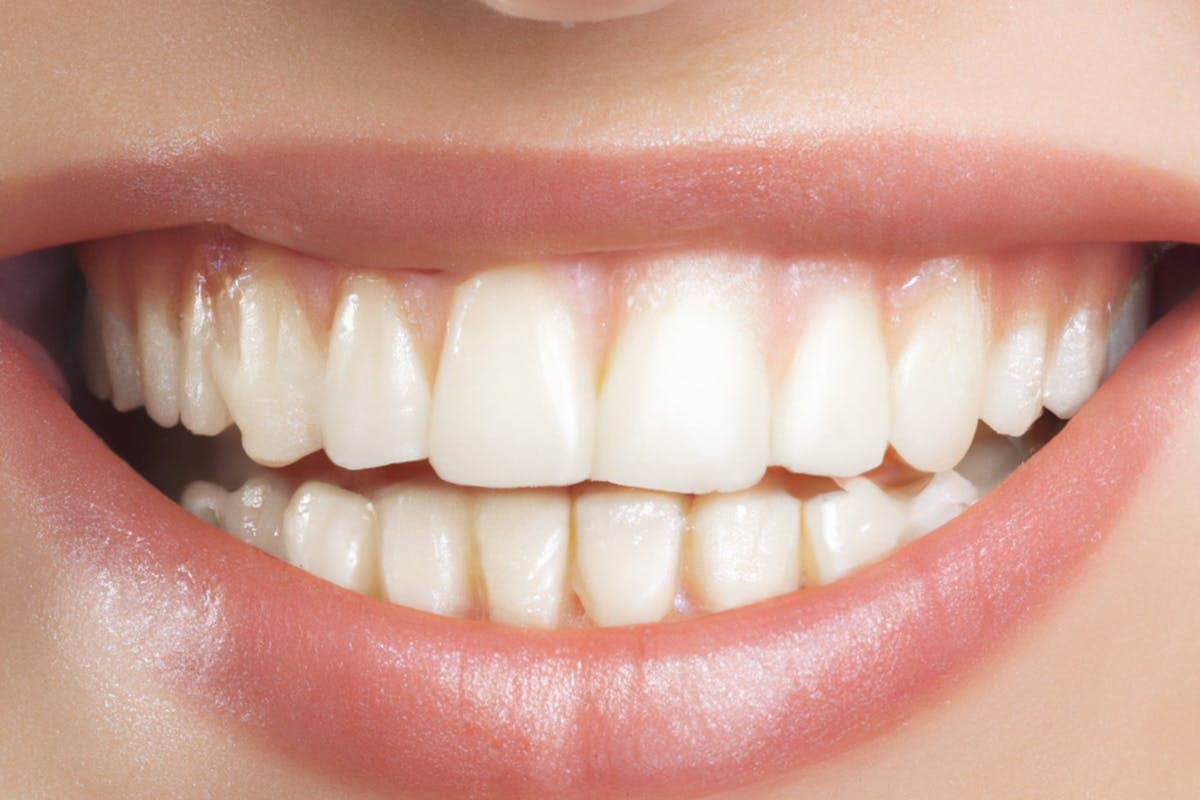
Several simple steps can effectively utilize saline solution to support gum health and alleviate infection symptoms. First, prepare a salt water rinse with a suitable salt concentration of approximately 0.9% (9 grams of salt per liter of warm water) to guarantee isotonicity and minimize mucosal irritation. Next, use the solution to rinse the mouth gently for 30 seconds, focusing on areas with gum inflammation. The recommended rinse frequency is twice daily, ideally after meals, to reduce bacterial load and promote healing. After rinsing, avoid eating or drinking for at least 30 minutes to maximize contact time. Consistent adherence to this protocol supports gum tissue recovery by reducing microbial presence and inflammation without causing tissue damage.
Limitations of Salt Water in Treating Gum Infections
Although saline rinses can reduce bacterial presence and inflammation, their effectiveness in fully treating gum infections is limited. The limitations of salt water in this situation include:
- Temporary relief: Salt water provides short-term reduction in swelling and discomfort but does not eliminate infection sources.
- Lack of antimicrobial potency: It is insufficient against aggressive pathogenic bacteria causing severe infections.
- No tissue regeneration: Salt water does not promote healing of damaged gum tissue or reverse periodontal destruction.
- Inability to address deep pockets: It cannot penetrate deep periodontal pockets where infection often resides.
Therefore, while salt water rinses may support oral hygiene, they should not be solely relied upon for thorough gum infection treatment.
Alternative Remedies and Treatments for Gum Infections
When gum infections persist beyond the scope of saline rinses, professional dental interventions and adjunctive therapies become necessary to manage and resolve the condition effectively. Alternative remedies such as herbal remedies—including neem, clove, and aloe vera—have demonstrated anti-inflammatory and antimicrobial properties that may support gum health. Additionally, oil pulling, a traditional practice involving swishing oil (e.g., coconut or sesame) in the mouth, has shown potential in reducing oral bacterial load and plaque accumulation. However, these methods should be considered complementary rather than primary treatments. Their efficacy varies, and they do not replace mechanical debridement or prescription therapies. Clinical evidence supports integrating these adjunct therapies within a thorough periodontal treatment plan, emphasizing that alternative remedies alone are insufficient for moderate to severe infections.
When to See a Dentist for Gum Problems
If symptoms of gum problems persist beyond initial home care measures or worsen over time, it is essential to seek professional dental evaluation promptly. Early intervention is critical to prevent progression of gum disease and associated complications.
A dental professional should be consulted under the following circumstances:
- Persistent gum bleeding during brushing or flossing.
- Receding gums, resulting in tooth sensitivity or root exposure.
- Chronic bad breath or an unpleasant taste unresponsive to oral hygiene.
- Formation of deep pockets between teeth and gums, detected during routine dental check ups.
Regular dental check ups play an important role in diagnosing gum disease early, enabling timely treatment and preventing irreversible damage to periodontal structures.
Tips for Preventing Gum Infections in the Future
Recognizing the signs that warrant professional dental care plays a key role in managing gum health. Preventing gum infections requires consistent implementation of proper oral hygiene practices, including twice-daily brushing with fluoride toothpaste, daily flossing to remove interdental plaque, and use of antimicrobial mouth rinses as recommended. Regular dental check ups facilitate early detection and intervention for periodontal issues before progression to infection. Patients should maintain a balanced diet low in fermentable carbohydrates to reduce bacterial growth. Avoidance of tobacco products further decreases risk. Professional cleanings during dental visits effectively remove calculus deposits inaccessible to routine home care. Collectively, adherence to these measures optimizes gum health, minimizes inflammation, and reduces the likelihood of recurrent infections, thereby supporting long-term oral well-being.
Frequently Asked Questions
Can Salt Water Cause Tooth Enamel Erosion?
Salt water does not cause tooth enamel erosion; it is generally neutral or slightly alkaline, supporting enamel protection. Proper use aids tooth health by reducing bacteria, but excessive acidic rinses, not salt water, contribute to enamel degradation.
How Often Can I Safely Use Salt Water Rinses Daily?
Salt water rinses can be safely used up to three times daily with a salt concentration of approximately 0.9%. Each rinse should last 30 seconds to avoid mucosal irritation while maximizing antimicrobial benefits and promoting oral tissue healing.
Is Salt Water Safe for Children With Gum Infections?
Salt water is generally safe for children with gum infections when used as a mild rinse. Its benefits include reducing bacteria and soothing inflammation, thereby supporting children’s oral health under appropriate supervision and dosage guidance.
Can Salt Water Rinse Replace Regular Mouthwash?
Salt water rinse offers salt water benefits such as reducing inflammation and bacteria, but it lacks antiseptic agents found in commercial mouthwashes. Consequently, it can serve as a mouthwash alternative but not fully replace regular mouthwash efficacy.
Does Salt Water Help With Bad Breath Caused by Gum Issues?
Salt water rinses can temporarily reduce bad breath by decreasing oral bacteria, contributing to improved gum health. However, for persistent halitosis, extensive bad breath remedies and professional dental evaluation are recommended to address underlying gum issues effectively.