


Anxiety frequently manifests in physical symptoms, including dental discomfort that lacks an apparent clinical cause. This phenomenon is often linked to increased muscle tension and parafunctional habits such as bruxism, which exert excessive force on teeth and surrounding structures. The interplay between psychological stress and oral health may result in heightened tooth sensitivity or pain, complicating diagnosis and treatment. Understanding this relationship is essential for effective management and prevention strategies.
The Connection Between Anxiety and Oral Health
How does anxiety influence oral health? Anxiety symptoms, such as increased stress and nervousness, can negatively impact oral hygiene practices. Individuals experiencing anxiety may neglect routine dental care, including brushing and flossing, leading to plaque accumulation and heightened risk of dental caries and periodontal disease. Additionally, anxiety can alter salivary flow, reducing saliva’s protective effects, and increasing susceptibility to oral infections. Psychophysiological responses associated with anxiety may also contribute to inflammatory processes within the oral cavity. These combined factors establish a clear link between anxiety and compromised oral health status. Understanding this connection underscores the importance of managing anxiety symptoms to maintain effective oral hygiene and prevent subsequent dental complications. This relationship necessitates integrated approaches involving both psychological and dental healthcare professionals to optimize patient outcomes.
How Anxiety Triggers Teeth Grinding and Jaw Clenching
Anxiety induces increased stress and muscle tension, which frequently manifests as teeth grinding (bruxism) and jaw clenching. These involuntary actions exert excessive force on dental structures, contributing to tooth wear, pain, and temporomandibular joint disorders. Effective management of bruxism involves addressing underlying anxiety and employing protective dental interventions.
Stress and Muscle Tension
Muscle tension is a common physiological response to psychological stress, often manifesting in the masticatory muscles. Anxiety elevates sympathetic nervous system activity, promoting sustained contraction of the masseter and temporalis muscles. This increased muscle tone frequently results in involuntary behaviors such as bruxism—teeth grinding—and jaw clenching. These activities exacerbate muscle fatigue and discomfort, contributing to orofacial pain. Effective management relies on interventions targeting muscle relaxation and stress relief. Techniques such as biofeedback, progressive muscle relaxation, and cognitive-behavioral therapy have demonstrated efficacy in reducing muscle hyperactivity by modulating stress responses. By attenuating muscle tension, these approaches help mitigate the frequency and intensity of grinding and clenching episodes, alleviating associated pain symptoms. Understanding the neurophysiological link between anxiety-induced stress and masticatory muscle tension is critical for developing targeted therapeutic strategies.
Impact on Dental Health
While psychological stress activates the sympathetic nervous system, it simultaneously initiates behaviors such as teeth grinding (bruxism) and jaw clenching that directly compromise dental integrity. These parafunctional activities increase occlusal forces, causing enamel wear, microfractures, and temporomandibular joint strain. Persistent bruxism exacerbates tooth sensitivity and may contribute to pulp inflammation, manifesting as tooth pain. Individuals with dental anxiety are particularly susceptible, as heightened stress levels often exacerbate these involuntary behaviors. Additionally, compromised oral hygiene resulting from anxiety-induced neglect can potentiate periodontal inflammation and dental caries, further aggravating discomfort. The cyclical relationship between anxiety, bruxism, and deteriorating oral health underscores the need for thorough assessment in patients presenting with unexplained dental symptoms. Understanding these mechanisms clarifies how anxiety indirectly impacts dental health beyond psychological distress alone.
Managing Bruxism Effectively
Because heightened stress responses frequently precipitate involuntary oral behaviors, effective management of bruxism necessitates addressing its underlying psychological triggers. Anxiety activates the sympathetic nervous system, increasing muscle tension that manifests as teeth grinding and jaw clenching. Implementing anxiety coping strategies, such as cognitive-behavioral therapy and mindfulness-based stress reduction, can considerably reduce these symptoms. Concurrently, bruxism relief techniques, including the use of custom-fitted occlusal splints and biofeedback devices, help mitigate dental damage and muscle fatigue. Pharmacological interventions targeting anxiety may also indirectly alleviate bruxism. A multidisciplinary approach combining psychological and dental therapies guarantees thorough management, minimizing tooth pain and preventing long-term complications associated with persistent bruxism.
Effects of Bruxism on Tooth Sensitivity and Pain
Bruxism contributes to the mechanical wear of enamel, increasing tooth sensitivity by exposing underlying dentin. Additionally, sustained jaw muscle tension from grinding intensifies pain perception in affected areas. Nocturnal grinding episodes further exacerbate sensitivity due to prolonged, repetitive stress on dental structures.
Bruxism and Enamel Wear
The repetitive grinding and clenching of teeth, known as bruxism, contributes considerably to the progressive erosion of dental enamel. Bruxism causes mechanical wear that thins the enamel layer, exposing underlying dentin and increasing tooth vulnerability to sensitivity and pain. This enamel damage diminishes the tooth’s natural protective barrier, facilitating the transmission of external stimuli such as temperature changes and acidic substances to the dental pulp. Chronic bruxism exacerbates enamel loss, leading to structural weakening, microfractures, and heightened risk of cavities. The severity of enamel damage correlates with the intensity and duration of bruxism episodes. Consequently, enamel wear induced by bruxism represents a significant factor in the development of tooth pain, independent of primary dental pathology, necessitating targeted interventions to mitigate the mechanical stress on dentition.
Jaw Muscle Tension Effects
When sustained jaw muscle tension persists, it can significantly influence tooth sensitivity and pain by increasing pressure on the periodontal ligaments and surrounding structures. This elevated tension frequently results from bruxism-induced muscle overactivity, which exacerbates mechanical stress on dental tissues. Prolonged contraction of the masseter and temporalis muscles may reduce blood flow, contributing to localized ischemia and heightened nociceptive signaling. Effective management includes implementing jaw relaxation techniques and muscle tension exercises aimed at reducing muscular hyperactivity and restoring normal function. These interventions can alleviate discomfort by decreasing excessive force transmission to teeth, thereby mitigating sensitivity. Clinicians often recommend adjunctive therapies targeting muscle relaxation to complement dental treatments, highlighting the importance of addressing muscular components in tooth pain associated with anxiety-related tension.
Night Grinding and Sensitivity
Frequently occurring during sleep, night grinding exerts repetitive mechanical forces on teeth that can exacerbate dentin hypersensitivity and provoke pain. This parafunctional activity, known as bruxism, contributes to enamel wear, exposing dentin and increasing tooth sensitivity to thermal and tactile stimuli. The resulting microfractures and enamel erosion further aggravate nociceptive responses in dental pulp. Nighttime habits influenced by anxiety and stress often precipitate bruxism episodes, highlighting the significance of stress management in mitigating its effects. Clinical intervention may include occlusal splints to reduce mechanical stress and behavioral therapies targeting stress reduction. Understanding the relationship between anxiety-induced bruxism and tooth sensitivity is vital for effective diagnosis and treatment, emphasizing the integration of dental and psychological care strategies to alleviate symptoms and prevent progression of dental tissue damage.
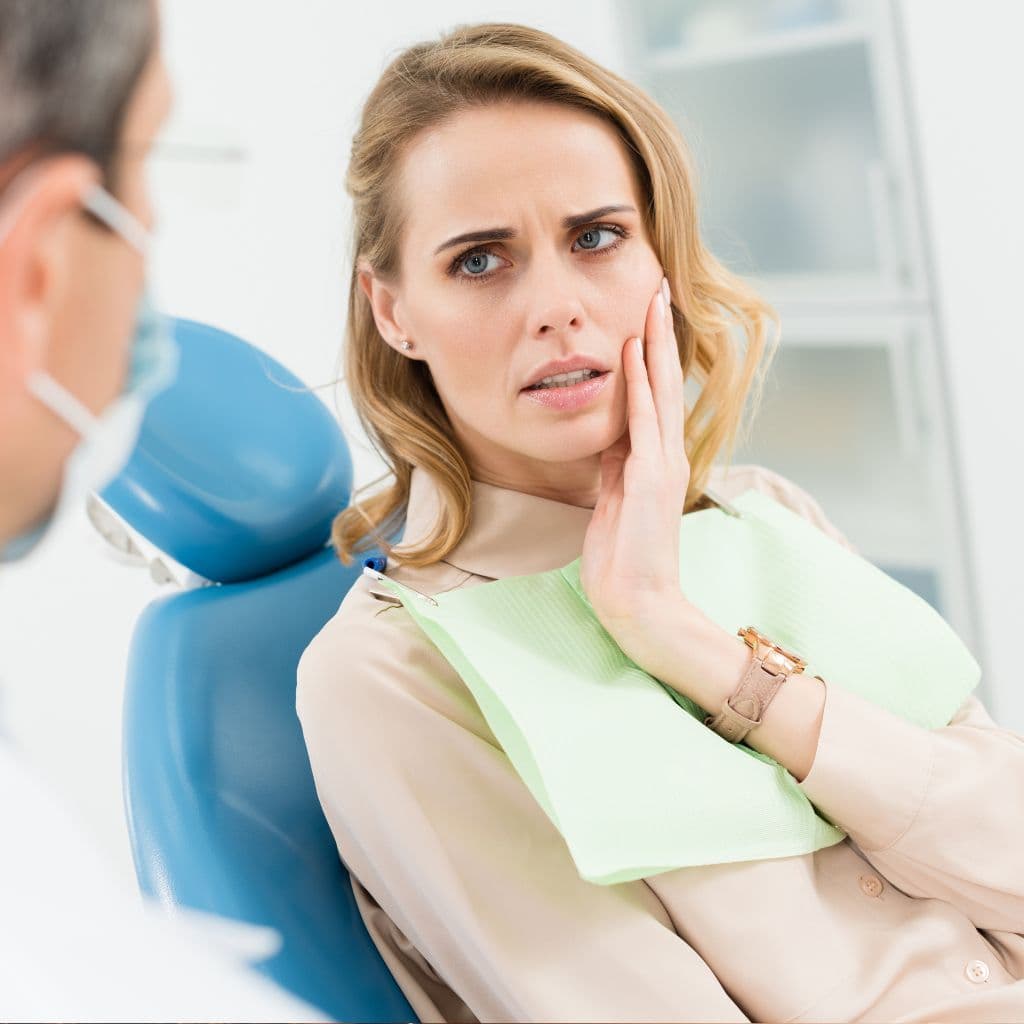
The Role of Stress Hormones in Dental Discomfort
Elevated levels of stress hormones, such as cortisol and adrenaline, greatly influence the perception and intensity of dental discomfort. These hormones modulate pain pathways and inflammatory responses, thereby altering the sensitivity of oral tissues. Stress hormones contribute to dental discomfort through several mechanisms:
- Cortisol suppresses immune function, increasing vulnerability to infections that exacerbate tooth pain.
- Adrenaline heightens nervous system activity, amplifying pain signal transmission from dental nerves.
- Chronic elevation of stress hormones promotes muscle tension, particularly in the jaw, leading to referred tooth pain.
- Hormonal imbalances can impair saliva production, reducing its protective effects and increasing sensitivity.
Understanding the role of stress hormones is essential for comprehending the physiological basis of anxiety-related dental pain and developing targeted therapeutic interventions.
Identifying Anxiety-Related Tooth Pain Symptoms
Symptoms of anxiety-related tooth pain often manifest as a combination of physical sensations and behavioral indicators. Individuals may report tooth sensitivity characterized by sharp or throbbing discomfort without evident dental pathology. This pain frequently correlates with the presence of anxiety symptoms such as increased muscle tension, particularly in the jaw and facial muscles, leading to conditions like bruxism. Additionally, patients might exhibit heightened awareness of oral sensations, amplifying perceived pain intensity. The episodic nature of the discomfort often aligns temporally with periods of acute psychological stress. Diagnostic differentiation requires excluding odontogenic causes via clinical examination and radiographic imaging. Recognition of these specific symptom patterns is critical to identifying anxiety-induced tooth pain, facilitating appropriate interdisciplinary management that addresses both psychological and somatic components.
Strategies to Manage Anxiety-Induced Tooth Pain
Although managing anxiety-induced tooth pain requires a multifaceted approach, integrating psychological and dental interventions proves most effective. Addressing both the physiological and psychological components can mitigate symptoms and improve patient outcomes.
Key strategies include:
- Mindfulness techniques: Employing focused attention to reduce stress and interrupt pain cycles.
- Breathing exercises: Utilizing controlled respiration to lower sympathetic nervous system activation and muscle tension.
- Behavioral modifications: Reducing parafunctional habits like teeth grinding through habit reversal training.
- Dental care: Ensuring regular check-ups to rule out or treat underlying dental pathologies exacerbated by anxiety.
These combined approaches target the root causes of anxiety-induced tooth pain, emphasizing prevention and symptom management without reliance on pharmacological interventions alone.
When to Seek Professional Dental or Mental Health Help
Effectively managing anxiety-induced tooth pain through behavioral and dental strategies may not fully address all cases, particularly when pain persists or worsens despite these interventions. In such instances, a thorough dental evaluation is critical to exclude or treat underlying odontogenic causes, such as caries, periodontal disease, or temporomandibular joint disorders. Concurrently, a detailed mental assessment is advisable to identify anxiety disorders or comorbid psychological conditions exacerbating somatic symptoms. Referral to dental specialists or mental health professionals should be considered when standard management fails or when symptoms considerably impair daily functioning. Early intervention facilitates targeted treatment, reduces risk of chronic pain development, and improves overall prognosis. Timely professional involvement guarantees an integrated approach, addressing both physical and psychological contributors to tooth pain related to anxiety.
Preventative Measures to Protect Your Teeth During Stress
Numerous strategies exist to mitigate the impact of stress on dental health, focusing on the prevention of anxiety-related tooth damage. Implementing specific preventative measures can reduce the risk of tooth pain caused by stress-induced behaviors such as bruxism and neglect of oral hygiene. Key interventions include:
- Regular practice of mindfulness techniques to enhance stress awareness and reduce unconscious teeth grinding.
- Engagement in relaxation exercises to lower overall anxiety levels and muscular tension in the jaw.
- Consistent oral hygiene routines, including thorough brushing and flossing, to prevent secondary dental issues.
- Utilization of protective devices like night guards during sleep to minimize mechanical tooth wear.
Adopting these techniques supports both psychological well-being and dental integrity, thereby diminishing the incidence of anxiety-related tooth pain.
Frequently Asked Questions
Can Anxiety Cause Other Types of Mouth Pain Besides Tooth Pain?
Anxiety can cause various types of oral discomfort beyond tooth pain, including jaw tension, dry mouth, and mucosal irritation. These manifestations are recognized stress symptoms linked to heightened muscle activity and altered salivary flow during anxiety episodes.
Is Tooth Pain From Anxiety Permanent or Temporary?
Tooth pain induced by anxiety is typically temporary. Temporary relief can be achieved through stress management, but without addressing underlying anxiety, long term effects such as chronic muscle tension may persist, potentially exacerbating pain symptoms over time.
Can Certain Medications for Anxiety Worsen Tooth Pain?
Certain medications for anxiety can exacerbate tooth pain due to medication side effects such as dry mouth or bruxism. Effective anxiety management requires monitoring these effects to adjust treatment, minimizing oral discomfort and preserving dental health.
How Quickly Can Anxiety-Related Tooth Pain Start After a Stressful Event?
Anxiety-related tooth pain can manifest rapidly, often within minutes to hours after a stressful event, due to the body’s stress response triggering muscle tension and inflammation, which contribute to the variable pain onset timing observed clinically.
Are There Specific Dental Treatments for Anxiety-Induced Tooth Pain?
Specific dental treatments for anxiety-induced tooth pain primarily involve cognitive behavioral therapy and relaxation techniques to manage stress. Additionally, dentists may recommend occlusal guards or pharmacological interventions to alleviate symptoms associated with muscle tension or bruxism.