


A tooth breaking off at the gum line without pain can indicate a fracture that has not yet affected the nerve or pulp tissue. While the absence of discomfort might suggest limited immediate damage, it does not rule out underlying structural issues or the risk of infection. Understanding the causes and implications of such fractures is critical for timely intervention and appropriate treatment strategies.
Common Causes of Tooth Breakage at the Gum Line
Tooth breakage at the gum line frequently results from a combination of structural weakness and external stressors. Structural compromise often arises from tooth decay, which demineralizes dentin and enamel, greatly reducing the tooth’s resistance to fracture. Enamel erosion, caused by acidic exposure or abrasive habits, further weakens the protective outer layer, increasing susceptibility to breakage. Additionally, mechanical forces such as biting on hard objects or parafunctional habits like bruxism impose stress concentrated at the cervical region, precipitating fractures. Subgingival carious lesions may progress unnoticed until structural integrity is critically compromised near the gum line. These factors, alone or synergistically, predispose teeth to fracture at or below the gingival margin, necessitating timely diagnosis and management to prevent further complications.
Why There Might Be No Pain When a Tooth Breaks
Structural compromise and external stressors that cause a fracture at the gum line do not always affect the nerve tissues within the tooth, which can explain the absence of pain. Tooth sensitivity typically arises when the dentin or pulp is exposed, but if the break spares these areas, nerve damage and associated discomfort may not occur immediately. Additionally, some teeth have naturally low nerve responsiveness, reducing pain perception despite structural damage. The absence of pain, however, should not imply the absence of underlying issues.
- Unexpected shock from sudden breakage without warning
- Confusion or disbelief about lack of pain despite visible damage
- Anxiety over potential unseen complications
- Frustration due to uncertainty about treatment necessity
Potential Risks of Ignoring a Broken Tooth at the Gum Line
How can a fracture at the gum line, seemingly painless, lead to significant oral health complications if left untreated? A broken tooth at this location exposes underlying dentin and potentially the pulp chamber, creating a pathway for bacterial infiltration. This can precipitate infections such as pulpitis or abscess formation, escalating to periodontal involvement. Ignoring such fractures may result in progressive decay, structural weakening, and eventual tooth loss. The long term consequences extend beyond the affected tooth, potentially impacting adjacent teeth and alveolar bone integrity. In addition, unresolved fractures can complicate restorative procedures, limiting treatment options. Consequently, prompt evaluation and intervention are critical to mitigate dental complications and preserve oral function, emphasizing the importance of addressing even asymptomatic tooth fractures at the gum line.
How to Assess the Severity of the Break
Evaluating the severity of a tooth break at the gum line requires a systematic visual inspection to determine the extent of the fracture. Assessing the condition of the surrounding gum tissue is essential to identify signs of inflammation or infection. Additionally, testing for tooth mobility provides critical information regarding structural stability and potential underlying damage.
Visual Inspection Tips
When examining a tooth that has broken off at the gum line without causing pain, careful visual inspection is essential to determine the extent of damage. Employing specific inspection techniques allows for an accurate evaluation through critical visual cues. Observers should focus on identifying irregularities in the tooth’s surface, the presence of sharp edges, and any discoloration indicating underlying issues. Additionally, evaluating the remaining tooth structure’s stability is crucial. Key visual inspection tips include:
- Detecting cracks or fractures extending below the gum line
- Noting any exposed dentin or pulp tissue
- Evaluating the symmetry and alignment compared to adjacent teeth
- Observing for signs of infection or inflammation at the break site
These steps enhance the diagnostic process, guiding subsequent treatment decisions effectively.
Checking Gum Condition
Why is evaluating the gum condition critical after a tooth breaks off at the gum line without pain? Reviewing gum health provides essential information about the injury’s severity and potential complications. A thorough examination of the gingival tissues around the fracture site reveals signs of inflammation, recession, or infection, which may not produce immediate discomfort. Maintaining ideal oral hygiene is paramount to prevent bacterial colonization and subsequent periodontal deterioration. Clinicians should inspect for swelling, color changes, and bleeding upon probing, as these indicators reflect the tissue’s response to trauma. This evaluation guides treatment planning and prognosis by determining whether the break has compromised the supporting structures. Accurate review of gum condition guarantees timely intervention, preserving both the residual tooth structure and surrounding periodontal integrity.
Identifying Tooth Mobility
Tooth mobility serves as a critical indicator of the extent of structural compromise following a fracture at the gum line. Evaluating tooth stability through a systematic mobility assessment helps determine the severity of the break and guides appropriate treatment. Clinicians typically apply gentle pressure to the tooth in multiple directions to evaluate movement relative to adjacent teeth. Increased mobility often signifies damage to the periodontal ligament or alveolar bone, indicating a more severe injury.
Key emotional considerations during mobility evaluation include:
- Anxiety over potential tooth loss or extraction
- Concern about the appearance of a fractured tooth
- Fear of underlying infection despite lack of pain
- Uncertainty regarding treatment options and outcomes
Accurate identification of tooth mobility is essential for prognosis and intervention planning.
Immediate Steps to Take After Your Tooth Breaks
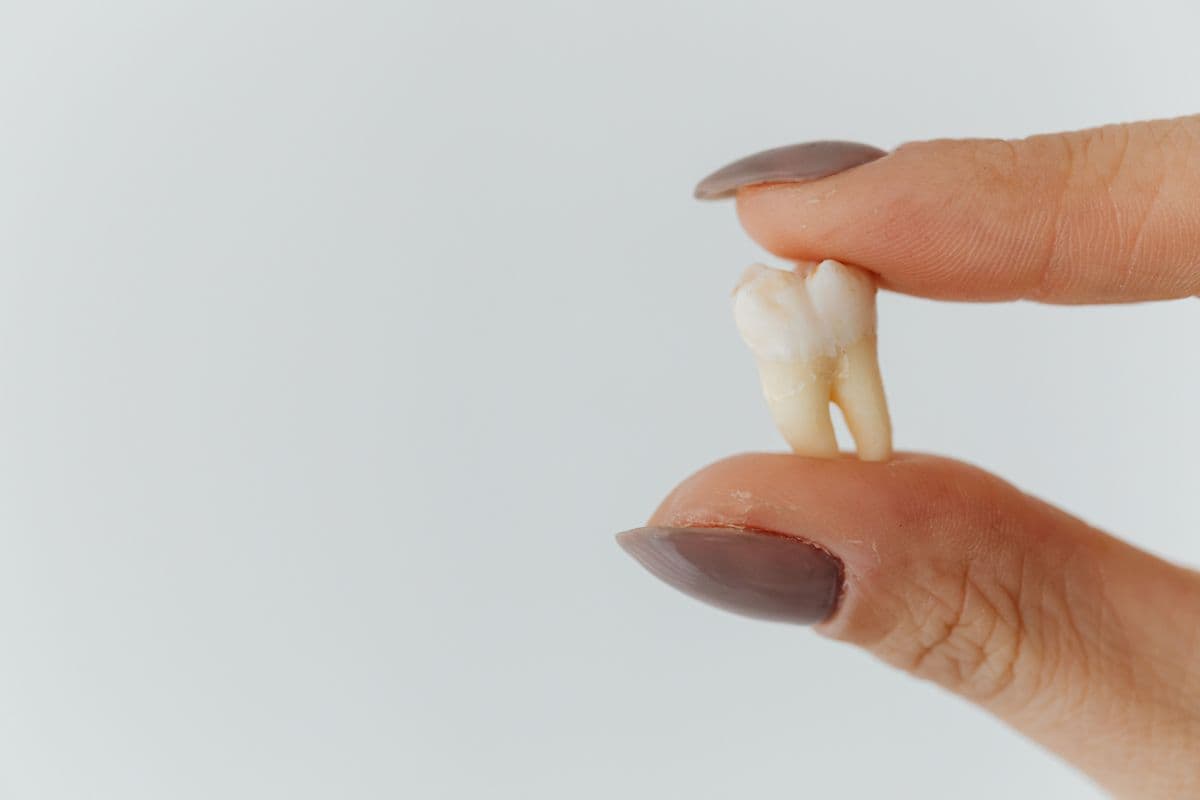
Upon experiencing a tooth fracture at the gum line, an immediate evaluation of the damage is essential to determine the extent of injury. The broken fragment should be carefully preserved, ideally in a suitable storage medium such as milk or saline, to maintain its viability for potential dental restoration. Prompt action facilitates effective clinical assessment and optimizes treatment outcomes.
Assess the Damage
An initial evaluation of the injury is critical immediately after a tooth fractures at the gum line. Understanding the extent of damage to the tooth structure informs subsequent dental health decisions. Key factors include the presence of exposed dentin or pulp, the stability of the remaining tooth portion, and potential soft tissue injury.
Consider the following:
- Determine if the fracture exposes sensitive inner layers, risking infection or nerve damage
- Assess tooth mobility to gauge structural integrity
- Inspect surrounding gums for lacerations or swelling
- Note any bleeding that may indicate soft tissue trauma or deeper damage
Prompt, accurate assessment minimizes complications and guides effective treatment to preserve overall dental health and function.
Preserve the Broken Piece
Preservation of the fractured tooth fragment is essential for potential reattachment and ideal restorative outcomes. Immediate efforts in preserving tooth integrity focus on minimizing contamination and desiccation of the detached piece. The broken segment should be carefully retrieved, avoiding direct contact with the root surface to prevent damage to periodontal fibers vital for dental attachment. Rinsing the fragment with saline or milk, rather than water, helps maintain cellular viability. The fragment must be stored in a physiologically compatible medium, such as Hank’s Balanced Salt Solution or milk, to retard dehydration until dental consultation. Prompt preservation facilitates enhanced adhesion and structural integration during reattachment procedures, thereby improving prognosis and maintaining natural aesthetics and function. Proper handling of the broken piece is a significant step in the management of traumatic tooth fractures.
Treatment Options for a Tooth Broken at the Gum Line
Although a tooth broken at the gum line may not cause immediate pain, prompt evaluation is essential to determine the appropriate treatment. Restorative dentistry offers several solutions depending on the extent of damage and pulp involvement. Dental crowns often provide structural support when sufficient tooth structure remains. In cases with extensive root damage, extraction followed by implant placement may be necessary.
Treatment options include:
- Application of dental crowns to restore function and aesthetics
- Root canal therapy if the pulp is exposed or infected
- Surgical crown lengthening to expose more tooth structure
- Extraction and replacement with dental implants or bridges
Each option aims to preserve oral health, prevent infection, and restore masticatory efficiency, tailored to clinical findings and patient-specific factors.
Preventive Measures to Avoid Tooth Breakage
Because tooth breakage often results from mechanical stress or underlying dental conditions, implementing targeted preventive measures is critical to reducing incidence. Regular dental checkups enable early identification of structural weaknesses, caries, or enamel erosion that predispose teeth to fractures. Proper oral hygiene, including consistent brushing and flossing, maintains enamel integrity and prevents decay, both of which contribute to tooth strength. Avoidance of excessive force during mastication and the use of protective devices such as mouthguards during high-impact activities further mitigate risk. Additionally, addressing parafunctional habits like bruxism through dental intervention decreases mechanical stress on teeth. Collectively, these measures form an all-encompassing strategy to preserve tooth structure and minimize the likelihood of breakage at the gum line.
When to Seek Emergency Dental Care
Under what circumstances should an individual seek emergency dental care following a tooth fracture at the gum line? Immediate dental contact is essential if emergency symptoms arise, ensuring prompt intervention to prevent complications. Emergency symptoms necessitating urgent evaluation include:
- Persistent bleeding from the fracture site, indicating possible soft tissue damage
- Severe pain or swelling suggesting infection or nerve involvement
- Visible tooth displacement or looseness compromising oral function
- Signs of systemic infection such as fever or malaise
Even in the absence of pain, a fractured tooth at the gum line warrants professional assessment to evaluate pulp viability and structural integrity. Timely emergency dental care mitigates risks of infection, further tooth loss, and functional impairment, emphasizing the importance of recognizing emergency symptoms and seeking swift dental contact.
Frequently Asked Questions
Can a Broken Tooth at the Gum Line Heal on Its Own?
A broken tooth at the gum line cannot undergo natural healing due to enamel and dentin loss; maintaining ideal oral hygiene prevents infection, but professional dental intervention is necessary for restoration and preventing further complications.
Will a Broken Tooth Affect My Speech or Chewing Ability?
A broken tooth at the gum line may impair speech clarity and cause chewing difficulties, depending on its location and extent. Dental evaluation is essential to determine functional impact and appropriate restorative treatment to mitigate these issues.
Are Dental Crowns the Only Option for Restoring Broken Teeth?
Dental crowns are not the only option for tooth restoration; alternative treatments include dental bonding, veneers, and onlays. The choice depends on the fracture’s extent, tooth structure, and functional requirements, ensuring ideal durability and aesthetics.
How Long Can I Wait Before Seeing a Dentist for a Broken Tooth?
Immediate dental evaluation is recommended for a broken tooth to prevent complications. Delaying care risks increasing tooth sensitivity and infection, potentially escalating the issue into a dental emergency requiring more extensive treatment.
Can a Broken Tooth at the Gum Line Lead to Tooth Loss?
A broken tooth at the gum line can lead to tooth loss if untreated, as it increases susceptibility to gum disease and infection. Tooth extraction may become necessary when structural integrity and periodontal health are compromised.