

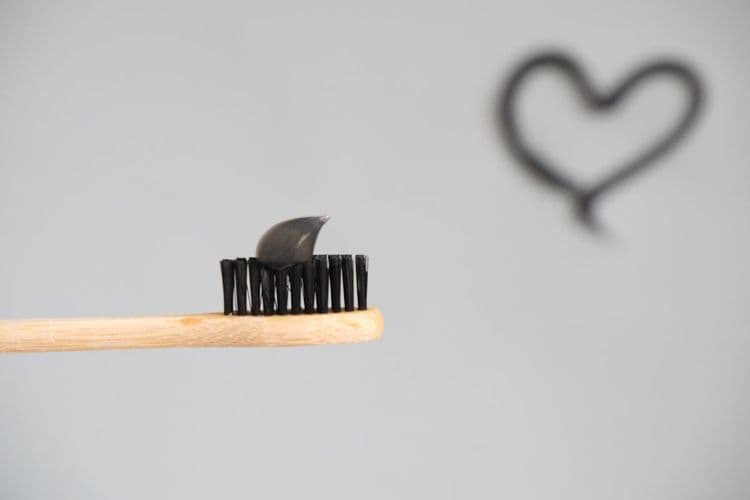
Charcoal toothpaste has gained popularity as a natural alternative for teeth whitening and stain removal. However, its safety remains a topic of debate among dental professionals. The abrasive properties of charcoal may affect tooth enamel, potentially leading to increased sensitivity and damage over time. Understanding the balance between its benefits and risks is essential before incorporating it into daily oral care routines.
What Is Charcoal Toothpaste?
Charcoal toothpaste is a dental care product that incorporates activated charcoal as a key ingredient, intended to enhance oral hygiene by removing surface stains and absorbing impurities. The charcoal origins trace back to the carbonization of organic materials, such as wood or coconut shells, which are then processed to increase porosity and adsorption capacity. Ingredient analysis reveals that activated charcoal in toothpaste is often combined with abrasives, fluoride, and flavoring agents to balance cleaning efficacy and taste. Scientific scrutiny emphasizes the importance of controlled particle size to prevent enamel abrasion. While activated charcoal is recognized for its adsorptive properties, thorough ingredient analysis is essential to guarantee safety and effectiveness, as formulations vary widely among manufacturers. Consequently, charcoal toothpaste represents a complex blend rooted in traditional charcoal origins enhanced by modern dental science.
How Does Charcoal Toothpaste Work?
Charcoal toothpaste primarily functions through two mechanisms: the adsorption of surface stains and abrasive cleaning action. The porous nature of activated charcoal allows it to bind to certain molecules, aiding in stain removal. Additionally, its abrasive particles help physically scrub the teeth, contributing to the overall cleaning effect.
Absorption of Stains
Although the precise mechanisms remain under investigation, activated charcoal toothpaste is believed to remove surface stains through adsorption, a process by which molecules adhere to the porous surface of the charcoal particles. This property enables the charcoal to capture and bind compounds responsible for discoloration on the enamel, contributing to stain removal. By effectively attracting these molecules, charcoal toothpaste may facilitate color restoration, improving the appearance of teeth. However, current scientific evidence supporting the extent and consistency of this effect is limited and primarily based on in vitro studies. Further clinical research is necessary to fully elucidate the role of adsorption in charcoal toothpaste’s efficacy and to compare its performance against conventional whitening agents. Consequently, while adsorption is a plausible mechanism for stain removal, conclusive validation remains pending.
Abrasive Cleaning Action
Beyond the adsorption of stains, another significant factor in the whitening effect of activated charcoal toothpaste is its abrasive cleaning action. The toothpaste contains abrasive ingredients, primarily fine charcoal particles, which mechanically remove surface stains and dental plaque from teeth. This physical scrubbing enhances cleaning effectiveness by breaking down and lifting discolorations that chemical agents may not address. However, the level of abrasiveness varies among products, influencing both efficacy and safety. Excessive abrasiveness can erode enamel, leading to sensitivity and increased risk of dental damage. As a result, the balance between sufficient abrasive action for stain removal and preservation of enamel integrity is essential. Scientific evaluations of charcoal toothpaste abrasivity emphasize the importance of regulated abrasive ingredients to optimize cleaning effectiveness while minimizing potential harm.
Benefits of Using Charcoal Toothpaste
Activated charcoal’s porous structure enables it to bind to surface stains and impurities on teeth, which contributes to its popularity in oral care products. This adsorption capability supports natural whitening by effectively removing extrinsic discoloration caused by substances like coffee, tea, and tobacco. Additionally, charcoal toothpaste may enhance oral hygiene by reducing oral bacteria and toxins, potentially decreasing bad breath and promoting a cleaner mouth. Some studies suggest that charcoal’s mild abrasive properties assist in plaque removal without the use of harsh chemicals. However, the benefits of charcoal toothpaste are primarily related to surface stain removal and cleansing rather than altering intrinsic tooth color. Overall, charcoal toothpaste offers a natural alternative for those seeking cosmetic improvement and basic oral hygiene support, though its effectiveness should be considered alongside conventional dental care practices.
Potential Risks and Side Effects
While charcoal toothpaste offers certain cosmetic and hygiene benefits, it also presents potential risks and side effects that warrant careful consideration. The abrasive nature of charcoal ingredients can contribute to the gradual wear of dental surfaces, potentially affecting dental health over time. Additionally, the lack of fluoride in many charcoal formulations may reduce their effectiveness in preventing tooth decay. Some users report gum irritation or sensitivity, which may result from the mechanical and chemical properties of charcoal particles. Furthermore, charcoal toothpaste’s staining potential on dental restorations such as crowns or veneers remains insufficiently studied. Given these factors, dental professionals advise cautious use and recommend consultation to assess individual suitability. Thorough, long-term clinical studies are necessary to better understand the safety profile of charcoal-based oral care products.
Impact on Tooth Enamel and Sensitivity
Charcoal toothpaste may pose a risk of enamel abrasion due to its abrasive particles, potentially leading to increased tooth sensitivity. Studies indicate that repeated use can alter the enamel surface, making teeth more vulnerable to external stimuli. Consequently, implementing protective measures and monitoring sensitivity changes are essential when using these products.
Enamel Abrasion Risks
The abrasive properties of certain toothpaste formulations warrant careful consideration due to their potential to erode tooth enamel. Charcoal toothpaste, known for its abrasive particles, may increase enamel erosion if used excessively or with improper technique. The abrasion levels of these products vary, influencing the extent of enamel wear and subsequent dental issues.
Key points regarding enamel abrasion risks include:
High abrasion levels can accelerate enamel erosion, weakening tooth structure.
Repeated use of abrasive toothpaste may lead to irreversible enamel loss.
Enamel erosion increases vulnerability to decay and mechanical damage.
Dental professionals recommend selecting toothpaste with controlled abrasion to minimize enamel damage while maintaining effective cleaning. Monitoring enamel condition is essential when using charcoal-based formulations to prevent long-term harm.
Sensitivity Changes Explained
Although toothpaste formulations aim to improve oral health, certain ingredients and their abrasiveness can influence tooth sensitivity by affecting the enamel and underlying dentin. Sensitivity factors include enamel wear, which exposes dentinal tubules, leading to heightened response to thermal, chemical, or tactile stimuli. Charcoal toothpaste, known for its abrasive properties, may accelerate enamel erosion if used excessively, thereby increasing sensitivity risks. This alteration compromises dental health by weakening the natural protective barrier of teeth. Scientific evaluations emphasize the importance of balancing abrasiveness to minimize enamel damage while maintaining cleaning efficacy. Understanding these sensitivity factors is vital for consumers and dental professionals when selecting toothpaste formulations, as inappropriate use can exacerbate sensitivity and diminish overall dental health over time.
Protective Measures Needed
Managing the abrasive effects of certain toothpaste ingredients requires implementing protective strategies to preserve tooth enamel and prevent increased sensitivity. Protective measures are essential in maintaining peak dental hygiene while minimizing enamel wear associated with charcoal toothpaste. Key recommendations include:
Limiting use frequency to reduce cumulative abrasive impact on enamel.
Using toothpaste with fluoride to strengthen enamel and aid remineralization.
Employing a soft-bristled toothbrush and gentle brushing technique to avoid mechanical abrasion.
Adhering to these protective measures supports enamel integrity and reduces the risk of sensitivity. Dental professionals advise combining these approaches with regular dental check-ups to monitor enamel condition. Evidence-based practices guarantee that dental hygiene routines remain effective without compromising tooth structure when using abrasive products.
Comparing Charcoal Toothpaste to Traditional Toothpaste
While both charcoal toothpaste and traditional toothpaste aim to maintain oral hygiene, their compositions and effects differ markedly. Charcoal toothpaste primarily contains activated charcoal, known for its adsorptive properties that may aid in removing surface stains and toxins, representing the charcoal benefits often cited. However, it lacks fluoride, a critical agent in preventing tooth decay found in most traditional alternatives. Traditional toothpaste formulations typically include fluoride, abrasives, and antibacterial agents, providing a thorough approach to cavity prevention and gum health. In contrast, charcoal toothpaste’s abrasive nature could contribute to enamel erosion if used excessively. Scientific evaluations suggest traditional alternatives offer more consistent protective benefits, whereas charcoal toothpaste’s efficacy and safety remain under scrutiny. Therefore, understanding these distinctions is essential for informed oral care decisions.
Recommendations for Safe Use
Several guidelines can help guarantee the safe use of charcoal toothpaste to minimize potential risks such as enamel abrasion and ineffective cavity prevention. Adhering to these recommendations supports ideal dental hygiene while reducing harm.
Limit charcoal toothpaste use to 2-3 times weekly to prevent enamel wear, alternating with fluoride toothpaste for cavity protection.
Use a soft-bristled toothbrush and gentle brushing technique to avoid gum irritation and excessive abrasion.
Consult a dental professional before incorporating charcoal toothpaste, especially for individuals with sensitive teeth or preexisting dental conditions.
Following these evidence-based practices guarantees the safe usage of charcoal toothpaste within a balanced oral care routine. This approach maintains dental health and mitigates the risks associated with abrasive or non-fluoride products.
Who Should Avoid Charcoal Toothpaste?
Although charcoal toothpaste can be safely incorporated into many oral care routines when used appropriately, certain individuals may face increased risks from its abrasive properties or lack of fluoride. Pregnant women are advised to consult healthcare providers before use, as the safety of charcoal toothpaste during pregnancy remains under-researched, and potential ingestion poses concerns. Individuals with dental braces should avoid charcoal toothpaste because its abrasive particles can damage orthodontic appliances and cause uneven enamel wear, complicating treatment outcomes. Additionally, patients with sensitive teeth or existing enamel erosion should refrain from charcoal toothpaste to prevent further enamel degradation. Due to the absence of fluoride in most charcoal formulations, those at higher risk of dental caries should consider fluoride-containing alternatives to maintain peak oral health while minimizing adverse effects associated with charcoal toothpaste.
Frequently Asked Questions
Can Charcoal Toothpaste Whiten Teeth Permanently?
Charcoal toothpaste does not provide permanent whitening. Its charcoal effectiveness is primarily surface-level, removing stains temporarily. Long term results lack scientific support, as intrinsic discoloration requires professional treatments for sustained teeth whitening outcomes.
Does Charcoal Toothpaste Help With Bad Breath?
Charcoal toothpaste may temporarily reduce bad breath due to its charcoal benefits, such as adsorption of odor-causing compounds. However, scientific evidence supporting long-term effectiveness in managing bad breath remains limited and inconclusive.
Is Charcoal Toothpaste Safe for Children?
Charcoal toothpaste is generally not recommended for children due to concerns about charcoal safety and potential enamel abrasion. Maintaining children’s dental health typically involves using fluoride toothpaste approved by dental professionals to guarantee safe, effective oral care.
How Often Should Charcoal Toothpaste Be Used?
Charcoal toothpaste frequency should be limited to two to three times weekly to avoid enamel abrasion. Professionals recommend charcoal toothpaste alternatives like fluoride toothpaste for daily use, ensuring effective cavity prevention and overall oral health maintenance.
Can Charcoal Toothpaste Remove Dental Plaque Effectively?
Charcoal toothpaste may aid in plaque removal due to its mild abrasiveness; however, evidence is limited. For ideal dental hygiene, it should complement, not replace, regular brushing with fluoride toothpaste and professional dental care.