

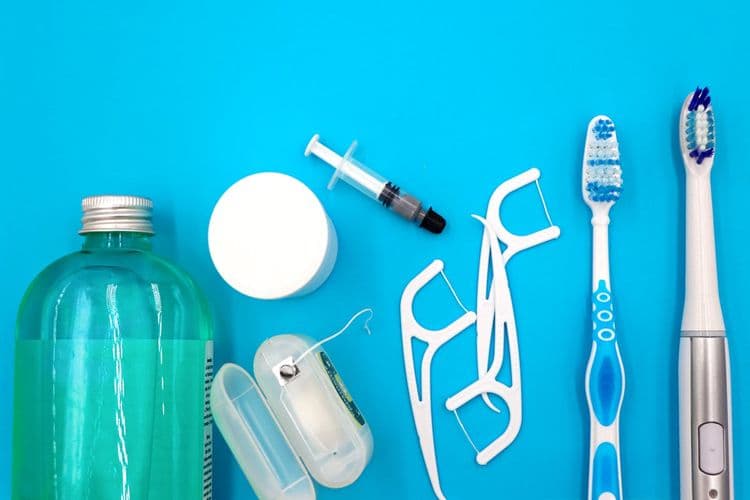
Mouthwash contains antimicrobial agents designed to reduce oral bacteria, but this effect is not selective to harmful species alone. Research indicates that these agents can also diminish populations of beneficial bacteria crucial for maintaining oral homeostasis. The disruption of the oral microbiome raises questions about the long-term consequences of routine mouthwash use. Understanding the extent to which mouthwash affects beneficial microbes is essential for evaluating its role in thorough oral hygiene strategies.
Understanding the Oral Microbiome
Although the oral cavity hosts a diverse microbial community, its composition and function are critical to maintaining oral health. The oral microbiome comprises bacteria, fungi, viruses, and archaea, forming complex biofilms on mucosal surfaces and teeth. Microbiome diversity guarantees ecological balance, preventing pathogenic overgrowth and supporting immune modulation. Disruptions in this diversity, termed dysbiosis, correlate with oral diseases such as caries and periodontitis. Recent metagenomic analyses reveal that a stable, diverse microbiome promotes colonization resistance against pathogens and contributes to systemic health. Maintaining microbiome diversity is therefore essential for preserving oral homeostasis, highlighting the importance of strategies that support beneficial microbial populations without indiscriminately eliminating them. Understanding the oral microbiome’s role provides a foundation for evaluating interventions that impact oral health.
How Mouthwash Works Against Bacteria
When applied to the oral cavity, mouthwash exerts antimicrobial effects primarily through chemical agents that disrupt bacterial cell membranes, denature proteins, or interfere with microbial metabolism. The mouthwash efficacy depends on the active ingredients’ ability to target diverse bacterial species while minimizing bacterial resistance development. The mechanisms include:
Disruption of cell membrane integrity, causing leakage of cellular contents and cell death.
Denaturation of essential bacterial enzymes and structural proteins, impairing metabolic functions.
Inhibition of bacterial adhesion and biofilm formation, reducing colonization and pathogenicity.
While effective against pathogenic bacteria, these mechanisms may also impact commensal oral bacteria, raising concerns about long-term microbiome balance. Continued research aims to optimize formulations to maximize efficacy while mitigating bacterial resistance and preserving beneficial oral microbiota.
Types of Mouthwash and Their Ingredients
Mouthwash formulations vary widely based on their active ingredients, which determine their specific antimicrobial spectrum and additional oral health benefits. Conventional mouthwashes often contain alcohol, which enhances solubility and antibacterial properties but may cause mucosal irritation. Fluoride-enriched variants provide proven benefits in enamel remineralization and caries prevention. Natural mouthwash alternatives utilize herbal ingredients and essential oils—such as thymol, eucalyptol, and menthol—to exert antimicrobial effects while minimizing chemical exposure. These essential oils demonstrate broad-spectrum antibacterial activity, though typically less potent than alcohol-based formulations. Herbal components like aloe vera and chamomile offer anti-inflammatory properties. Selecting an appropriate mouthwash requires consideration of alcohol content, fluoride benefits, and the presence of botanical antimicrobials to balance efficacy against pathogenic bacteria with safety and user tolerance.
Impact of Mouthwash on Beneficial Oral Bacteria
The oral microbiome comprises diverse bacterial populations that contribute to maintaining oral health through biofilm regulation and pathogen inhibition. Antimicrobial agents in mouthwash, such as chlorhexidine and essential oils, can non-selectively reduce both pathogenic and beneficial bacterial species, potentially disrupting microbial balance. Achieving effective oral hygiene necessitates a careful balance that minimizes pathogenic bacteria while preserving commensal microbial communities essential for oral ecosystem stability.
Role of Oral Microbiome
Oral microbiota constitutes a complex and dynamic community of microorganisms that play a critical role in maintaining oral health through mechanisms such as pathogen inhibition, immune modulation, and maintenance of mucosal integrity. The preservation of microbial diversity within this ecosystem is essential for sustaining oral homeostasis. Key functions of the oral microbiome include:
Competitive exclusion of pathogenic species, reducing infection risk.
Modulation of host immune responses, preventing excessive inflammation.
Contribution to nutrient metabolism and mucosal barrier reinforcement.
Disruption of this balance, such as through indiscriminate antimicrobial use, can impair these protective roles, leading to dysbiosis and increased susceptibility to oral diseases. Consequently, understanding the role of beneficial oral bacteria is fundamental when evaluating interventions like mouthwash, which may alter microbial diversity and compromise oral health.
Effects of Antimicrobial Agents
Although antimicrobial agents are effective in reducing pathogenic microbial load, their non-selective activity can inadvertently diminish populations of beneficial oral bacteria. Studies demonstrate that broad-spectrum mouthwashes disrupt bacterial diversity, leading to reduced abundance of commensal species essential for oral homeostasis. This reduction in microbial diversity may impair ecological resilience, potentially facilitating colonization by opportunistic pathogens. In addition, repeated exposure to antimicrobial agents can contribute to the development of antimicrobial resistance within oral biofilms, complicating infection management. Quantitative analyses reveal significant decreases in Streptococcus and Lactobacillus spp. following chlorhexidine or essential oil-based mouthwash use. Consequently, while antimicrobial mouthwashes reduce harmful bacteria, their impact on beneficial microbiota necessitates cautious application to mitigate adverse effects on the oral microbial ecosystem and the broader implications for antimicrobial resistance emergence.
Balancing Hygiene and Health
Maintaining effective hygiene while preserving beneficial bacterial populations presents a complex challenge in mouthwash formulation and usage. Oral hygiene products must eradicate pathogenic microorganisms without disrupting the microbial balance essential for oral health. The impact of mouthwash on beneficial oral bacteria can be summarized as follows:
Broad-spectrum antimicrobial agents may reduce both harmful and beneficial bacterial species, potentially impairing microbial balance.
Selective formulations targeting specific pathogens aim to minimize collateral damage to commensal bacteria, supporting oral ecosystem stability.
Usage frequency and concentration critically influence microbial outcomes; overuse can lead to dysbiosis, while controlled application maintains hygiene without compromising beneficial flora.
Optimizing mouthwash design and usage protocols is essential to achieve effective oral hygiene while sustaining a healthy microbial equilibrium.
Balancing Oral Hygiene and Microbial Health
Because mouthwash formulations often contain broad-spectrum antimicrobials, their use can disrupt the balance of commensal bacterial populations essential for oral health. Maintaining microbial diversity within the oral ecosystem is critical, as it supports functions such as pathogen inhibition, immune modulation, and biofilm homeostasis. Overly aggressive antimicrobial rinses may reduce beneficial species, leading to dysbiosis and increased susceptibility to oral diseases. Evidence suggests that selective targeting of pathogenic bacteria, rather than indiscriminate microbial reduction, better preserves the integrity of the oral microbiome. Strategies to balance oral hygiene and microbial health include using mouthwashes with agents that minimize collateral damage to commensals and integrating mechanical plaque control methods. Optimizing mouthwash formulations and usage frequency is essential to sustain a resilient oral ecosystem while effectively controlling pathogenic load.
Risks of Overusing Mouthwash
How does excessive use of mouthwash impact oral health? Increased mouthwash frequency can disrupt the balance of oral microbiota, potentially leading to unintended consequences. Key risks associated with overuse include:
Microbial Dysbiosis: Frequent antiseptic exposure can reduce beneficial bacterial populations, impairing natural defense mechanisms and increasing susceptibility to pathogens.
Mucosal Irritation: Prolonged contact with strong chemical agents may cause inflammation or damage to oral mucosa, compromising tissue integrity.
Altered Oral Environment: Overuse can change pH and saliva composition, adversely affecting remineralization processes and promoting opportunistic infections.
These evidence-based findings emphasize that maintaining appropriate mouthwash frequency is critical for preserving oral health without compromising beneficial microbiota. Careful consideration of usage guidelines is necessary to minimize negative outcomes linked to overuse.
Alternatives to Chemical Mouthwash
Several alternatives to chemical mouthwashes have been investigated to support oral hygiene while preserving the balance of oral microbiota. Natural remedies, including herbal rinses derived from plants such as neem, clove, and tea tree oil, exhibit antimicrobial properties without markedly disrupting beneficial bacterial populations. Studies indicate that these herbal rinses can reduce pathogenic species responsible for dental caries and gingivitis while maintaining overall microbial diversity. Additionally, formulations containing probiotics aim to reintroduce and sustain beneficial bacteria, enhancing oral ecosystem resilience. These alternatives generally lack harsh chemical agents like chlorhexidine or alcohol, which are associated with dysbiosis. However, thorough clinical trials are necessary to validate long-term efficacy and safety. Consequently, natural remedies and herbal rinses represent promising adjuncts or substitutes to conventional chemical mouthwashes in preserving oral microbial homeostasis.
Recommendations for Maintaining a Healthy Oral Microbiome
Maintaining a balanced oral microbiome requires a thorough approach that integrates proper oral hygiene, dietary considerations, and careful selection of oral care products. Evidence supports specific strategies to preserve beneficial oral bacteria:
Incorporate probiotic foods such as yogurt and kefir, which can enhance microbial diversity and inhibit pathogenic species through competitive colonization.
Employ natural remedies, including oil pulling with coconut oil and herbal rinses, demonstrating antimicrobial effects without broadly disrupting commensal bacteria.
Opt for gentle oral care products with low alcohol content and avoid antiseptic mouthwashes that may indiscriminately reduce both harmful and beneficial microbes.
Collectively, these recommendations foster an ecological balance conducive to oral health, minimizing dysbiosis and its associated risks such as caries and periodontal disease.
Frequently Asked Questions
Can Mouthwash Cause Bad Breath if Used Incorrectly?
Mouthwash misuse can contribute to bad breath by disrupting oral microbiota balance, causing dry mouth, or masking underlying issues. Proper usage, as per guidelines, minimizes adverse effects and maintains oral hygiene without promoting halitosis.
How Soon After Eating Should I Use Mouthwash?
Ideal post meal timing for mouthwash use is approximately 30 minutes after eating, allowing saliva to neutralize acids. This timing enhances oral hygiene by minimizing mucosal irritation and preserving beneficial oral microbiota integrity.
Does Mouthwash Affect Teeth Whitening Treatments?
Mouthwash interaction with teeth whitening treatments can vary; some formulations containing alcohol or strong chemicals may reduce whitening efficacy or cause sensitivity, while others are compatible, necessitating evaluation of specific ingredients for ideal treatment outcomes.
Can Children Safely Use Mouthwash?
Children can safely use mouthwash when following established child safety guidelines, including age-appropriate formulations and supervised use. Adherence to mouthwash guidelines minimizes ingestion risk and guarantees effective oral hygiene without adverse effects.
Is Alcohol-Free Mouthwash Less Effective?
Alcohol-free mouthwash demonstrates comparable mouthwash effectiveness to alcohol-containing variants, as alcohol impact is primarily antimicrobial; however, certain formulations compensate with alternative agents, maintaining efficacy while reducing irritation and preserving oral microbiota balance.