

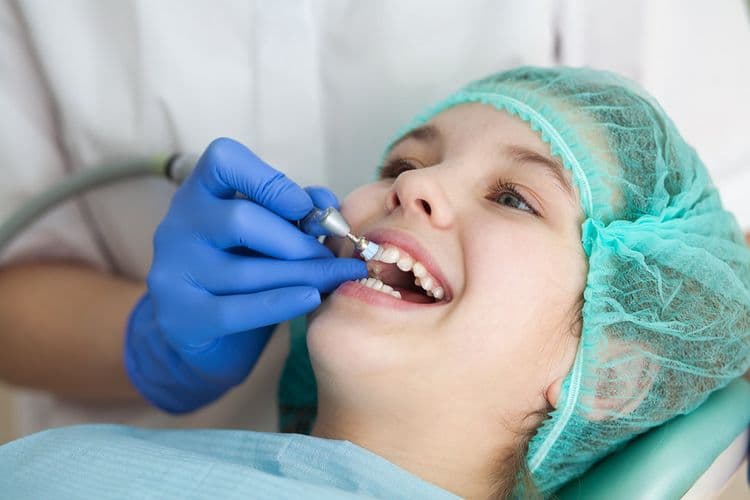
Fluoride varnish is a protective treatment applied to teeth to help prevent cavities, but how long does its effect actually last? Generally, it remains on the teeth for up to 24 hours, providing a concentrated boost of fluoride to strengthen enamel. However, its effectiveness can depend on factors like brushing habits and what foods are eaten. Understanding these influences is key to maximizing its benefits and ensuring healthy, cavity-free smiles. Curious to learn more?
Understanding Fluoride Varnish
Fluoride varnish is a protective coating applied to the teeth to help prevent cavities and strengthen tooth enamel. This special treatment is like a superhero shield for teeth, making them strong and healthy. One of the key benefits of fluoride is its ability to fight off bad bacteria that cause tooth decay. By reinforcing enamel, it reduces the risk of cavities, especially in children who are still learning proper oral hygiene.
While fluoride varnish is generally safe, there are some safety concerns to take into account. It’s important to use the right amount because too much fluoride can lead to a condition called fluorosis, which affects the teeth’s appearance. Dentists apply just the right amount to guarantee children get only the benefits of fluoride without any risks.
Types of Fluoride Varnish
Fluoride varnish comes in two main types: natural and synthetic formulations. Both types are applied using easy techniques that can be done in the dental office, but the choice can influence how long the varnish protects teeth. Understanding these differences helps in choosing the best option for keeping teeth strong and healthy.
Natural vs. Synthetic Formulations
Although the debate between natural and synthetic fluoride varnishes might seem complex, understanding the basics can help clarify the differences. Natural formulations use ingredients from nature, like tree resins, to help protect teeth. These varnishes are often free from artificial colors and preservatives. Synthetic formulations, on the other hand, are created in labs using man-made ingredients. They often include added flavors or colors to make them more appealing, especially for kids.
Both types of varnish aim to strengthen teeth and prevent cavities, but they may work slightly differently due to their ingredients. Research shows that both natural and synthetic formulations are effective in protecting teeth. Parents and caregivers can choose based on personal preferences or any allergies children might have to certain ingredients.
Application Techniques and Duration
When considering how fluoride varnish is applied, have you ever wondered what makes one type last longer than another? The answer lies in the application techniques and the duration effects they produce. Dentists often use a tiny brush to apply the varnish to teeth, ensuring even coverage. This technique helps fluoride stick to teeth better. Some varnishes are designed to stay on teeth longer, providing extended protection. For instance, certain types stick to teeth for up to 24 hours, giving fluoride more time to make teeth strong. The duration effects depend on how well the varnish is applied and how long it remains on the teeth. Proper application can enhance the varnish’s ability to fight cavities and keep teeth healthy.
Application Process and Frequency
Applying fluoride varnish is a simple process designed to protect children’s teeth from cavities. Dental professionals begin by cleaning and drying the teeth. Using precise application techniques, they apply a small amount of varnish directly onto the tooth surface with a brush. This varnish quickly hardens upon contact with saliva, creating a protective layer that releases fluoride to strengthen the enamel. The process is quick, painless, and effective, making it suitable for young children.
Regarding reapplication frequency, experts recommend applying fluoride varnish two to four times a year, depending on the child’s risk of developing cavities. Regular dental check-ups help determine the ideal schedule. This preventive measure plays an essential role in maintaining oral health and preventing tooth decay in children.
Factors Affecting Longevity
The lasting effects of fluoride varnish can be influenced by several important factors. Good oral hygiene practices, like brushing twice a day, help maintain the varnish’s protection on teeth. Additionally, eating healthy foods and getting the varnish applied regularly, as advised by a dentist, can also help it work better for longer.
Oral Hygiene Practices
Maintaining good oral hygiene can greatly influence how long fluoride varnish remains effective on teeth. Proper toothbrush techniques are essential; children should use a soft-bristled brush and gently clean all tooth surfaces twice a day. This helps remove plaque that can wear away the fluoride varnish. Additionally, flossing is important because it cleans between teeth where toothbrushes can’t reach, preventing plaque buildup and protecting the varnish layer. Children should floss daily to maintain healthy teeth and gums. Studies show that effective oral care practices lead to better varnish retention, ensuring teeth remain strong and cavity-free. Parents should encourage these habits early on, helping children understand that good oral hygiene is key to having a bright and healthy smile.
Dietary Habits Impact
In addition to oral hygiene, what children eat can greatly affect how long fluoride varnish remains effective on their teeth. Dietary sugars and acidic foods can weaken the protective layer provided by the varnish. When children consume sugary snacks or drinks, bacteria in the mouth produce acids that can erode tooth enamel and reduce the effectiveness of fluoride varnish. Acidic foods, like citrus fruits and sodas, can also wear down the varnish faster. Eating a balanced diet with limited sugary and acidic foods helps maintain the varnish’s benefits longer. Encouraging nutritious snacks, such as fruits, vegetables, and cheese, can support overall oral health. Keeping a watchful eye on dietary choices helps in preserving fluoride’s protective shield on children’s teeth.
Application Frequency Effects
Regular application of fluoride varnish plays a critical role in how long its protective benefits last on children’s teeth. Research indicates that applying the varnish every three to six months maximizes its effectiveness in preventing cavities. This frequency guarantees that the fluoride remains active on the teeth, strengthening enamel and fighting decay. The application benefits are most significant when the varnish is part of a regular dental care routine, as it continuously replenishes fluoride levels. Studies show that consistent application leads to a notable reduction in cavities, showcasing the varnish’s effectiveness in maintaining oral health. Dental professionals recommend parents adhere to this schedule to provide the best protection against tooth decay, guaranteeing healthier smiles for their children.
The Role of Individual Oral Hygiene
Although fluoride varnish is an effective tool for protecting teeth, good oral hygiene habits play an essential role in maintaining dental health. Children are encouraged to practice proper brushing techniques, such as using a soft-bristled toothbrush and fluoride toothpaste to clean teeth thoroughly. This helps remove plaque, a sticky film of bacteria that can harm teeth if not removed. Equally important is understanding flossing importance. Flossing reaches areas between teeth where toothbrush bristles cannot, removing food particles and preventing cavities. These habits, when done twice daily, support the longevity of fluoride varnish by keeping the mouth clean. Regular dental visits also guarantee teeth are healthy and fluoride treatments are effective, making oral hygiene an important part of dental care.
Impact of Dietary Habits
While oral hygiene is essential for dental health, dietary habits also greatly influence the effectiveness of fluoride varnish. Eating a lot of sugary treats can be fun, but high sugar intake can weaken the protective effects of fluoride varnish. Bacteria in the mouth love sugar and turn it into acids that can damage teeth. Similarly, acidic foods, like citrus fruits and soda, can wear away the varnish and tooth enamel, making teeth more sensitive. To help fluoride varnish last longer, children should try to eat a balanced diet with less sugar and acidic foods. Drinking water and eating crunchy fruits and vegetables, like apples and carrots, can help keep teeth strong and healthy, along with regular brushing and flossing.

Fluoride Varnish for Children
How beneficial is fluoride varnish for children? Research shows significant advantages in promoting dental health among young individuals. Fluoride varnish is a thin coating applied to the teeth, providing a concentrated dose of fluoride that strengthens enamel and prevents cavities. It is particularly effective for children, who are more susceptible to tooth decay.
With regard to fluoride safety, the varnish is safe for use in children and is endorsed by dental professionals. The varnish benefits include not only cavity prevention but also reducing the risk of long-term dental issues. Regular applications can be a key part of maintaining dental health. Parents and caregivers can rest assured knowing fluoride varnish is a safe, efficient method to protect children’s teeth and contribute to lifelong oral health.
Monitoring and Reapplication
Regular monitoring and reapplication of fluoride varnish are essential steps in ensuring the ongoing dental health of children. Dental professionals recommend specific monitoring intervals to assess the effectiveness of the fluoride treatment. Typically, these intervals occur every six months, aligning with routine dental check-ups. During these visits, dentists evaluate the child’s teeth to determine if additional fluoride is needed.
The reapplication schedule for fluoride varnish often depends on the child’s risk of developing cavities. For children at higher risk, more frequent applications, such as every three to six months, might be advised. This evidence-based approach helps maintain strong teeth by providing a continuous protective barrier against decay. By adhering to these guidelines, parents can play a pivotal role in their child’s oral health.
Enhancing Dental Health With Fluoride Varnish
Monitoring and reapplication of fluoride varnish are essential components of a child’s dental care routine, yet the benefits of this treatment extend beyond just maintenance. Fluoride varnish is a powerful tool in preventing tooth decay, offering significant fluoride benefits. By strengthening tooth enamel, it helps resist acid attacks from plaque and sugars. This preventive measure is vital, especially for children, as their developing teeth are more vulnerable. The varnish importance lies in its ability to deliver a concentrated dose of fluoride directly to the teeth, providing protection that regular toothpaste alone might not offer. Studies show children who receive fluoride varnish regularly experience fewer cavities, leading to healthier smiles. Consequently, incorporating fluoride varnish into dental care routines supports ideal dental health for children.
Frequently Asked Questions
Can Fluoride Varnish Cause Any Allergic Reactions or Side Effects?
Fluoride varnish is generally safe, but some children might experience mild side effects like a rash or stomach upset, indicating allergic reactions. Such reactions are rare, and parents should consult a dentist if concerns arise.
Is Fluoride Varnish Safe for Pregnant or Breastfeeding Women?
Fluoride varnish is generally considered safe for pregnant or breastfeeding women when applied following safety guidelines. Pregnancy concerns are minimal, as studies show no significant risks, allowing for continued oral health care during these periods.
How Does Fluoride Varnish Compare to Other Fluoride Treatments?
Fluoride varnish, a type of fluoride treatment, is more effective for children compared to fluoride gels and rinses. It adheres longer to teeth, providing increased protection against cavities. Other fluoride types vary in application and effectiveness.
Can Fluoride Varnish Be Used on Dental Restorations Like Crowns or Fillings?
Fluoride varnish applications are generally safe for dental restoration compatibility, including crowns and fillings. It helps protect teeth by strengthening enamel, even on dental work, ensuring kids’ smiles stay healthy and strong with regular dentist visits.
Does Fluoride Varnish Affect the Taste of Food or Drinks?
Fluoride varnish can lead to temporary taste perception changes. Some children might notice a slight flavor alteration in food or drinks right after application. This effect is usually mild and diminishes as the varnish wears off.