

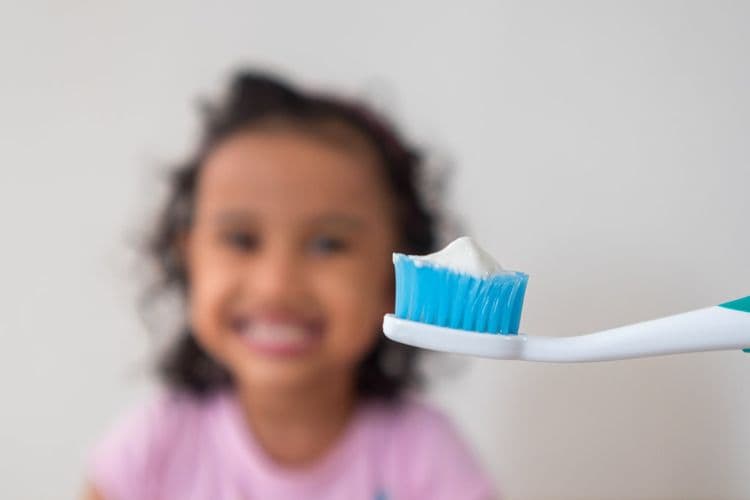
Fluoride toothpaste use in children is a subject of careful consideration among dental professionals. The introduction typically coincides with the eruption of a child’s first tooth, around six months of age. Pediatric dentists recommend varying quantities based on age to maximize benefits and minimize risks. Parents often wonder about the safety and correct usage, prompting discussions on effective practices. Understanding these guidelines is essential for ensuring ideal oral health in developing children.
Understanding Fluoride and Its Benefits for Oral Health
Fluoride, a naturally occurring mineral, plays an essential role in maintaining oral health by strengthening tooth enamel and preventing cavities. Its benefits extend beyond mere cavity prevention; fluoride aids in the remineralization process, helping to repair early stages of tooth decay even before they become visible. By enhancing the resilience of enamel, fluoride reduces the acid production by bacteria in the mouth, a key factor in tooth decay. The mineral’s incorporation into dental care products like toothpaste and mouth rinses is a confirmation of its critical role in oral health maintenance. Dental professionals widely endorse fluoride for its proven efficacy in reducing caries risk, promoting overall dental hygiene, and ensuring long-term oral health benefits. Regular exposure to fluoride is essential for a healthy smile.
The Role of Fluoride in Preventing Cavities
Fluoride plays a critical role in cavity prevention by enhancing the remineralization of tooth enamel and inhibiting the growth of harmful oral bacteria. Introducing fluoride toothpaste at an early age is essential, as it helps establish a foundation for lifelong oral health and reduces the risk of decay during the vulnerable stages of dental development. By strengthening the teeth and making them more resistant to acid attacks, fluoride serves as a key component in maintaining a cavity-free mouth.
Fluoride’s Cavity-Fighting Properties
The mineral fluoride plays an essential role in dental health by effectively preventing cavities, a common issue among children and adults alike. Its cavity-fighting properties stem from its ability to enhance tooth enamel’s strength, making it more resistant to acid attacks from bacteria in the mouth. Fluoride benefits include the remineralization of enamel, which repairs early signs of tooth decay before they become cavities. It achieves this by attracting calcium and phosphate to damaged areas, thereby reversing early decay. Additionally, fluoride disrupts harmful bacteria’s metabolism, reducing acid production. Regular use of fluoride toothpaste is vital in cavity prevention, as it provides a consistent source of fluoride, ensuring ongoing protection. This mineral’s ability to fortify enamel makes it indispensable in oral health care.
Importance of Early Prevention
From the earliest stages of life, establishing a strong oral hygiene routine is critical for long-term dental health. Early dental hygiene, including the use of fluoride toothpaste, plays a pivotal role in preventive care by fortifying enamel and reducing the risk of cavities. Fluoride helps remineralize tooth enamel, making teeth more resistant to acid attacks from bacteria and sugars. Starting fluoride use at an appropriate age guarantees that children develop robust defenses against tooth decay. Parents and caregivers are advised to introduce fluoride toothpaste in small amounts once a child begins to develop teeth. Monitoring and guiding brushing techniques further enhances the effectiveness of fluoride in cavity prevention. Adopting early preventive care practices fosters healthier dental habits that endure throughout life.
Recommendations From Pediatric Dentists
Pediatric dentists typically recommend that parents introduce fluoride toothpaste to their children’s oral care routine as soon as the first tooth erupts. According to established fluoride guidelines, a smear of fluoride toothpaste, roughly the size of a grain of rice, is appropriate for children under three years. This cautious approach aids in minimizing the risk of fluoride ingestion while guaranteeing protection against caries. As children grow and develop improved oral hygiene skills, pediatric recommendations suggest increasing the amount to a pea-sized dab for those aged three to six. Dentists emphasize the importance of parental supervision during brushing to guarantee proper technique and reduce the likelihood of swallowing toothpaste. These fluoride guidelines are designed to provide peak dental health benefits while safeguarding young children from overexposure.
Determining the Right Age to Start Using Fluoride Toothpaste
The appropriate age for introducing fluoride toothpaste to children can differ based on various health guidelines and individual developmental factors. While some pediatric dental associations recommend starting as early as when the first tooth erupts, others suggest waiting until a child reaches the age of two. Consulting with a pediatric dentist is essential, as they can provide tailored advice considering the child’s specific oral health needs and risk of dental caries.
Age Recommendations Vary
Determining the appropriate age for children to begin using fluoride toothpaste can vary considerably depending on various health guidelines and expert recommendations. Organizations such as the American Dental Association and the American Academy of Pediatrics provide differing guidelines on fluoride usage. Some experts suggest introducing fluoride toothpaste when a child is around two years old, while others recommend waiting until the child reaches the age of three. Safety concerns play a pivotal role in these recommendations, as excessive fluoride ingestion can lead to dental fluorosis, a condition that affects the appearance of the tooth enamel. Parents are advised to supervise their children’s brushing habits carefully to mitigate risks, ensuring that only a pea-sized amount of toothpaste is used once the child is developmentally ready.
Pediatric Dental Advice
While age recommendations for introducing fluoride toothpaste can vary, expert pediatric dental advice focuses on balancing safety with oral health benefits. Pediatric dental screenings play an essential role in determining the appropriate age for fluoride toothpaste use. During these screenings, dentists assess a child’s risk for cavities and tailor fluoride safety guidelines accordingly. Typically, fluoride toothpaste is recommended for children around the age of two, but only a smear or rice-sized amount should be used. This precaution minimizes the risk of fluorosis, a condition caused by excessive fluoride ingestion. As children grow and learn to spit effectively, usually by age six, a pea-sized amount becomes appropriate. Following these expert guidelines guarantees ideal dental health while safeguarding against potential fluoride-related issues.
How Much Fluoride Toothpaste Should Be Used?
Parents and caregivers often wonder about the appropriate amount of fluoride toothpaste to use for their children, as using the correct quantity is essential for effective oral hygiene without risking overexposure to fluoride. The recommended toothpaste quantity varies with the child’s age. For infants and toddlers under three years old, a smear or rice-sized amount is advised. This small amount minimizes the risk of ingestion while providing fluoride benefits. For children aged three to six, a pea-sized portion is appropriate. This increment accommodates their developing oral hygiene habits and the reduced likelihood of swallowing toothpaste. As children grow older and their brushing skills improve, they can shift to using the same amount as adults, typically a ribbon along the toothbrush.
Addressing Concerns About Fluoride Ingestion
Concerns about fluoride ingestion primarily arise from the potential risk of dental fluorosis, a condition caused by excessive fluoride intake during the enamel-forming years. Dental professionals emphasize fluoride safety by recommending age-appropriate amounts and supervision during brushing. Fluoride ingestion risks are mitigated by using a rice-sized amount of toothpaste for children under age three and a pea-sized amount for those aged three to six. This careful dosage reduces the likelihood of swallowing excessive fluoride. Parents are advised to monitor their children’s brushing habits to guarantee they do not ingest toothpaste. Additionally, educating caregivers about the benefits and potential risks associated with fluoride can promote informed decisions, balancing the prevention of cavities with minimizing the risk of dental fluorosis.

Tips for Encouraging Proper Brushing Habits in Kids
Instilling proper brushing habits in children from an early age lays a strong foundation for lifelong oral health. To achieve this, parents and caregivers can establish consistent brushing routines. It is recommended that children brush their teeth twice daily, using a fluoride toothpaste appropriate for their age. Setting specific times, such as after breakfast and before bedtime, helps children internalize this essential habit. Positive reinforcement plays a critical role in encouraging these routines. Praise, reward charts, or small incentives can motivate children to maintain proper brushing practices. Demonstrating the correct technique and brushing alongside children can also make the experience enjoyable and educational. By combining routine, guidance, and reinforcement, caregivers can effectively nurture healthy dental habits in their young ones.
Alternative Fluoride Sources and Supplements
While fluoride toothpaste is a primary method of delivering fluoride to children’s teeth, alternative sources and supplements can also play an essential role in ensuring adequate fluoride intake. Community water fluoridation remains a significant fluoride source, providing a consistent supply of fluoride to help prevent dental caries. Parents should verify if their local water supply is fluoridated. In areas lacking fluoridation, fluoride tablets or drops serve as effective supplement options, prescribed by dental professionals based on a child’s age and specific needs. Additionally, certain foods and beverages, such as tea and fish, naturally contain fluoride, contributing to overall intake. It is imperative to consult with a dentist or pediatrician when considering fluoride supplements to avoid overexposure and maintain ideal dental health.
Monitoring Your Child’s Dental Health Progress
Guaranteeing a child’s dental health progresses favorably is essential for long-term oral hygiene and overall well-being. Regular dental checkups play a pivotal role in this process, allowing dental professionals to assess and monitor oral development, detect potential issues early, and provide customized guidance. Health monitoring should include observing changes in tooth alignment, gum health, and the eruption of new teeth. Parents are encouraged to maintain a detailed record of these observations, which can assist dentists in tailoring preventive measures and interventions. Additionally, consistent communication with dental care providers guarantees that fluoride use is appropriately adjusted as the child grows. By prioritizing dental checkups and vigilant health monitoring, caregivers can considerably contribute to a child’s ideal oral health trajectory.
Frequently Asked Questions
Can Fluoride Toothpaste Cause Allergies in Children?
Fluoride allergy symptoms in children are rare but can occur, impacting dental health. Symptoms may include skin rash, respiratory issues, or gastrointestinal distress. Parents should consult a healthcare professional if they suspect a fluoride allergy in their child.
Is Fluoride Toothpaste Safe for Children With Braces?
Fluoride toothpaste is generally safe for children with braces, offering fluoride benefits such as cavity prevention. Proper braces care includes maintaining oral hygiene, and fluoride toothpaste helps strengthen enamel around brackets and wires, reducing decay risk.
How Does Fluoride Toothpaste Interact With Medications?
Fluoride interactions with medications are typically minimal, but it’s important to consult a healthcare professional. Some medications may alter fluoride absorption, potentially affecting effectiveness. Understanding possible medication side effects guarantees safe fluoride toothpaste use alongside prescribed treatments.
Are There Fluoride-Free Alternatives for Kids’ Toothpaste?
Parents seeking fluoride-free options for their children’s dental care might consider natural toothpaste options. These alternatives often contain ingredients like xylitol and calcium carbonate, promoting kids’ dental health without relying on traditional fluoride compounds.
Can Fluoride Toothpaste Help With Sensitive Teeth in Children?
Fluoride toothpaste can provide sensitivity relief in children by strengthening enamel and reducing discomfort. Effective dental care includes using age-appropriate fluoride levels, ensuring both cavity prevention and sensitivity management for ideal oral health in young patients.