

The dental toothbrush, a cornerstone of oral hygiene, has undergone significant advancements since its inception in 3000 BCE. From ancient tools to contemporary designs, each iteration aims to enhance plaque removal while protecting enamel. Modern toothbrushes, both manual and electric, incorporate soft nylon bristles for effective cleaning. As technology and sustainable materials innovate further, understanding the choices available becomes essential for ideal oral health. What future developments lie ahead in this essential tool’s evolution?
The History and Evolution of the Toothbrush
Although often taken for granted, the toothbrush has undergone significant evolution to become the indispensable oral hygiene tool it is today. Ancient toothbrushes date back to 3000 BCE, evidenced by chewing sticks utilized by civilizations like the Babylonians and Egyptians. These rudimentary devices consisted of frayed twigs designed to clean teeth, highlighting early oral care practices. As technology advanced, toothbrush materials evolved. The Tang Dynasty in China contributed to this progression by using hog bristles attached to bamboo or bone handles. By the late 18th century, Europeans adopted a similar design, utilizing horsehair. The 20th century marked a significant shift with the advent of nylon bristles, introduced by DuPont in 1938. This innovation paved the way for modern toothbrushes, optimizing dental health.
Understanding the Different Types of Toothbrushes
As toothbrush technology has evolved over the centuries, the variety of toothbrushes available today reflects advancements in dental science and consumer needs. Modern toothbrushes are distinguished by their toothbrush materials and ergonomic designs, both of which greatly impact oral hygiene efficacy. Toothbrush bristles are typically crafted from nylon, selected for its durability and gentle interaction with enamel and gingival tissues. Variations in bristle texture and configuration are designed to enhance plaque removal. Handles often feature ergonomic designs, optimizing grip and control to facilitate proper brushing technique, which is critical for effective plaque disruption. Additionally, the advent of antimicrobial materials in toothbrush construction has further enhanced oral health outcomes by reducing bacterial load. These innovations underscore the importance of selecting appropriate toothbrush types based on individual dental requirements.
Manual vs. Electric: Which Toothbrush Is Right for You?
When determining the ideal toothbrush, one must consider the comparative efficacy between manual and electric options. Manual cleaning, while effective, demands adequate technique to achieve optimal plaque removal. Studies indicate that individuals proficient in manual brushing can maintain oral hygiene effectively. However, electric toothbrushes, with their oscillating or sonic technology, offer electric convenience by simplifying the brushing process and enhancing user compliance. Clinical trials reveal that electric options often outperform manual brushes in reducing gingivitis and plaque over time. The electric convenience of built-in timers and pressure sensors further supports users in improving their brushing habits. Ultimately, the choice between manual and electric depends on individual preference, dexterity, and specific oral health needs, with both options demonstrating distinct advantages.
The Role of Bristles in Effective Dental Care
The efficacy of dental toothbrushes is considerably influenced by the characteristics of their bristles, which include material composition and stiffness. Bristle materials, such as nylon and polyester, are chosen based on their durability and ability to effectively disrupt and remove biofilm from tooth surfaces. Additionally, bristle stiffness, categorized as soft, medium, or hard, plays a critical role in periodontal health, with evidence suggesting that softer bristles are less likely to cause gingival abrasion while still providing adequate plaque removal.
Bristle Material Options
Selecting the appropriate bristle material is a critical component in optimizing dental care. Bristle materials vary primarily between natural bristle and synthetic bristle, each with distinct properties influencing oral hygiene efficacy. Natural bristles, typically derived from animal sources, offer a softer texture but pose challenges in maintaining hygiene due to their porous nature, potentially harboring bacteria. In contrast, synthetic bristles, commonly made from nylon, provide a non-porous, durable alternative, minimizing bacterial accumulation and offering a controlled rigidity. Clinical studies have demonstrated that synthetic bristles are superior in maintaining oral health due to their consistent texture and resistance to microbial colonization. Evidence-based analysis supports synthetic bristles as the preferred choice for patients prioritizing both effective plaque removal and hygienic maintenance.
Bristle Stiffness Impact
Understanding the impact of bristle stiffness is essential for evaluating the role of toothbrush bristles in effective dental care. Soft bristles are recommended for individuals with sensitivity issues, as they promote ideal gum health and enhance oral comfort. Conversely, firm bristles may offer superior plaque removal but could exacerbate gum recession, particularly with improper brushing technique. Evidence suggests that while firm bristles might appeal to some due to personal preference, their long-term effects could be detrimental to dental hygiene. Clinical studies emphasize that selecting the appropriate bristle stiffness should consider the individual’s oral health needs, ensuring that brushing technique aligns with the recommended guidelines. Ultimately, maintaining effective dental care requires a balance between bristle stiffness and personalized oral health strategies.
Innovative Technologies in Modern Toothbrushes
Recent advancements in dental hygiene have introduced smart sensor integration in modern toothbrushes, enabling real-time feedback on brushing techniques and pressure levels. Concurrently, developments in advanced bristle designs, such as tapered and multi-level bristles, have been shown to enhance plaque removal and improve oral health outcomes. These innovations are supported by clinical studies demonstrating their efficacy in promoting ideal oral hygiene practices.
Smart Sensor Integration
As the landscape of oral hygiene continues to evolve, the integration of smart sensors into modern toothbrushes represents a significant advancement in dental technology. These devices facilitate smart brushing by incorporating sensor feedback mechanisms that monitor brushing habits in real-time. Equipped with accelerometers and pressure sensors, these toothbrushes can detect motion patterns, brushing duration, and applied force, providing data-driven insights. Research indicates that sensor feedback can enhance user compliance with recommended oral hygiene practices, potentially lowering the prevalence of dental caries and periodontal disease. By transmitting data to connected applications, users receive personalized feedback and guidance, promoting ideal brushing techniques. The empirical evidence suggests that such technological innovations can transform traditional oral care routines into interactive, data-centric experiences, enhancing overall dental health outcomes.
Advanced Bristle Designs
In addition to smart sensor integration, the development of advanced bristle designs in modern toothbrushes marks another pivotal innovation in oral care technology. These designs feature varied bristle shapes, such as tapered, cross-action, and multi-level configurations, enhancing plaque removal efficacy. Clinical evidence supports that specific bristle patterns improve access to interproximal and sub-gingival areas, reducing periodontal disease risk. The incorporation of angled bristles aids in reaching occlusal and lingual surfaces, optimizing cleaning efficiency. Advanced bristle materials, like ultra-soft filaments, cater to sensitive gums, minimizing abrasion while maintaining effective cleaning. Moreover, studies indicate that these innovative designs contribute to a more thorough oral hygiene routine, ultimately improving long-term dental health outcomes. Such advancements exemplify a commitment to evolving oral care standards.
How to Choose the Perfect Toothbrush for Your Oral Health
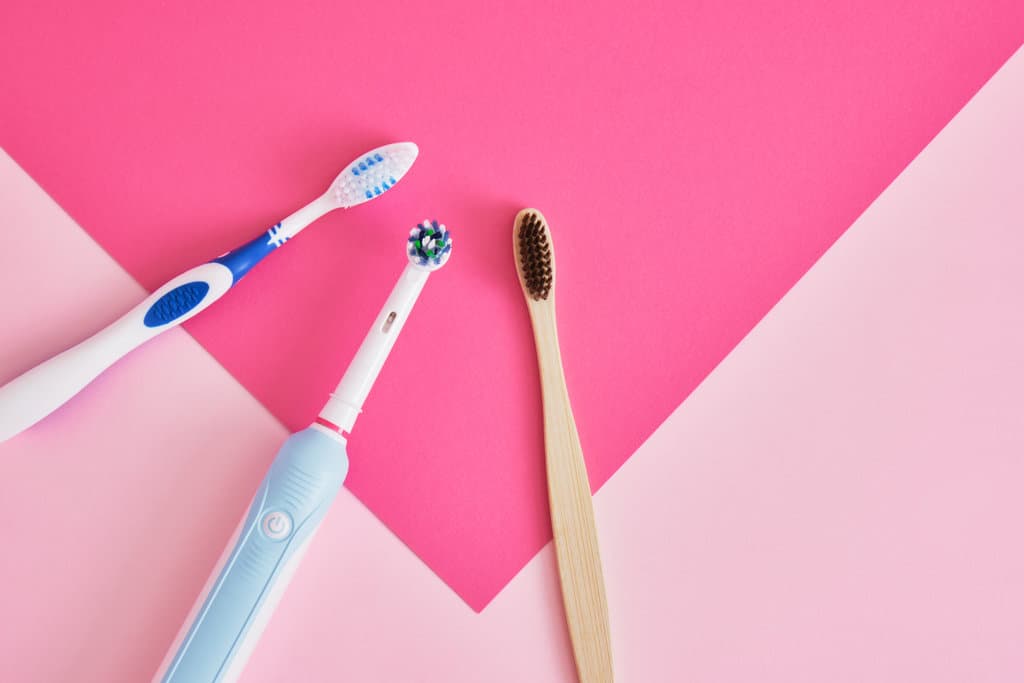
Selecting the ideal toothbrush for one’s oral health requires a nuanced understanding of various factors including bristle type, head size, and handle design. Clinically, toothbrush selection tips emphasize soft bristles to minimize enamel abrasion and gingival trauma, as hard bristles may exacerbate dental wear. The head size should be appropriate for the patient’s oral cavity, allowing access to posterior regions without compromising comfort. An ergonomic handle enhances grip stability, facilitating effective plaque removal, a critical component of dental hygiene importance. Evidence suggests that oscillating-rotating electric toothbrushes outperform manual counterparts in reducing plaque and gingivitis. Ultimately, a personalized approach, considering individual oral health needs and preferences, guarantees ideal outcomes. Dental professionals should guide patients in the selection process, underscoring the importance of tailored oral hygiene tools.
Maintaining Your Toothbrush for Optimal Performance
Proper maintenance of a toothbrush is crucial for sustaining its efficacy in oral hygiene practices. Toothbrush cleaning should be executed post-usage by thoroughly rinsing under tap water to eliminate residual toothpaste and debris. Evidence suggests that air-drying the toothbrush in an upright position is ideal, thereby preventing microbial proliferation. Storage practices should avoid enclosed or damp environments, as these conditions facilitate bacterial growth. Clinical reviews recommend replacing toothbrushes every three to four months or sooner if bristles become frayed, impacting cleaning efficiency. Research indicates that cross-contamination can be minimized by verifying toothbrush heads do not contact each other when stored. Employing these scientifically-backed maintenance strategies guarantees the toothbrush remains a reliable tool in maintaining oral health standards.
Common Mistakes to Avoid When Using a Toothbrush
While toothbrush maintenance is fundamental for sustaining its effectiveness, understanding common usage errors is equally important to enhance oral hygiene outcomes. One critical error involves improper toothbrush timing; individuals often neglect the American Dental Association’s recommendation of brushing for two minutes, twice daily. Deviating from this timing can compromise plaque removal and increase caries risk. Additionally, incorrect brushing technique is prevalent, with horizontal scrubbing causing enamel abrasion and gingival recession. Instead, a gentle, circular motion is advocated to minimize tissue damage. Excessive force during brushing can also exacerbate these issues, leading to dentin hypersensitivity. Moreover, inconsistent replacement of toothbrushes every three to four months, or sooner if bristles fray, can reduce cleaning efficacy. Addressing these errors is essential for maintaining ideal oral health.
The Future of Toothbrush Innovation and Oral Health
As technological advancements continue to permeate the field of dentistry, the evolution of toothbrush design is poised to greatly enhance oral health outcomes. The integration of future dental technologies, such as artificial intelligence and smart sensors, promises to optimize brushing techniques by providing real-time feedback. These innovations aim to improve plaque removal efficiency and reduce the incidence of periodontal disease. Additionally, toothbrush sustainability is becoming a focal point in design, with biodegradable materials and renewable energy sources gaining prominence. Evidence suggests that such environmentally friendly options can notably reduce the carbon footprint associated with oral hygiene products. Clinicians anticipate that these advances will not only promote individual oral health but also contribute to broader ecological well-being.
Frequently Asked Questions
How Often Should You Replace Your Toothbrush?
Toothbrush lifespan is typically three to four months, as research indicates. Bristle wear compromises cleaning efficacy, necessitating regular replacement. Evidence-based guidelines suggest observing bristle fraying as a clinical indicator for a new toothbrush acquisition.
Can Improper Toothbrush Use Damage Your Gums?
Improper toothbrush technique can indeed compromise gum health, leading to gingival recession or irritation. Evidence-based studies suggest that excessive force or incorrect angling during brushing increases the risk of mechanical trauma to the gum tissue.
What Is the Best Way to Sanitize a Toothbrush?
The best toothbrush sanitization methods involve effective cleaning techniques such as rinsing with hot water, soaking in antibacterial mouthwash, or using a UV sanitizer. Evidence suggests these methods markedly reduce microbial load, promoting oral hygiene.
Are There Eco-Friendly Toothbrush Options Available?
Eco-friendly options are available, including bamboo toothbrushes, often constructed from biodegradable materials. These alternatives reduce plastic waste, decomposing naturally. Research indicates that bamboo’s antimicrobial properties may enhance oral hygiene, offering a sustainable choice for environmentally-conscious consumers.
Do Toothbrushes Have an Expiration Date?
Toothbrushes possess an ideal lifespan of approximately three to four months. Over time, toothbrush materials like bristles degrade, reducing effectiveness. Evidence-based guidelines recommend replacement to guarantee continued oral hygiene efficacy and prevent microbial contamination.