

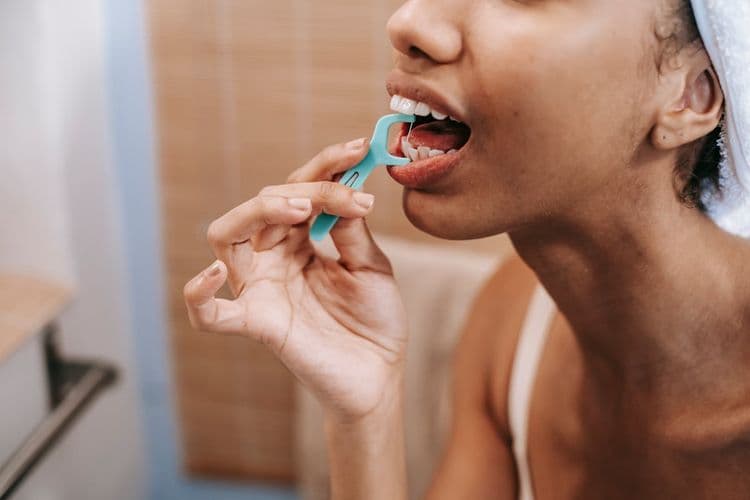
The choice between water flossers and string floss involves understanding the distinct mechanisms each employs to maintain oral hygiene. Water flossers use a targeted stream of water to remove plaque and debris, while string floss relies on manual manipulation to clean between teeth. Each method offers unique advantages and potential limitations, particularly concerning gum sensitivity and ease of use. Evaluating these differences can inform which tool better suits individual dental care needs.
How Water Flossers Work
Water flossers operate by directing a focused stream of pulsating water between teeth and along the gumline to remove plaque and debris. This action leverages adjustable water pressure to effectively dislodge food particles and bacteria from areas that traditional brushing may miss. The pulsation enhances cleaning by massaging gums, promoting circulation and reducing inflammation. By integrating these mechanisms, water flossers contribute greatly to maintaining oral hygiene, especially for individuals with braces, bridges, or implants where string flossing can be challenging. The device’s ability to reach deep periodontal pockets aids in preventing gum disease and cavities. Overall, water flossers provide a precise and efficient method for interdental cleaning, supporting thorough oral care routines and improving gum health through consistent use.
How String Floss Works
String floss operates by physically removing plaque and food particles from between teeth through a thin, flexible thread that is maneuvered around each tooth. This mechanical action disrupts bacterial buildup and helps prevent gum disease and cavities. Additionally, string floss is valued for its affordability, portability, and effectiveness in reaching tight spaces that toothbrushes cannot access.
Mechanism of String Floss
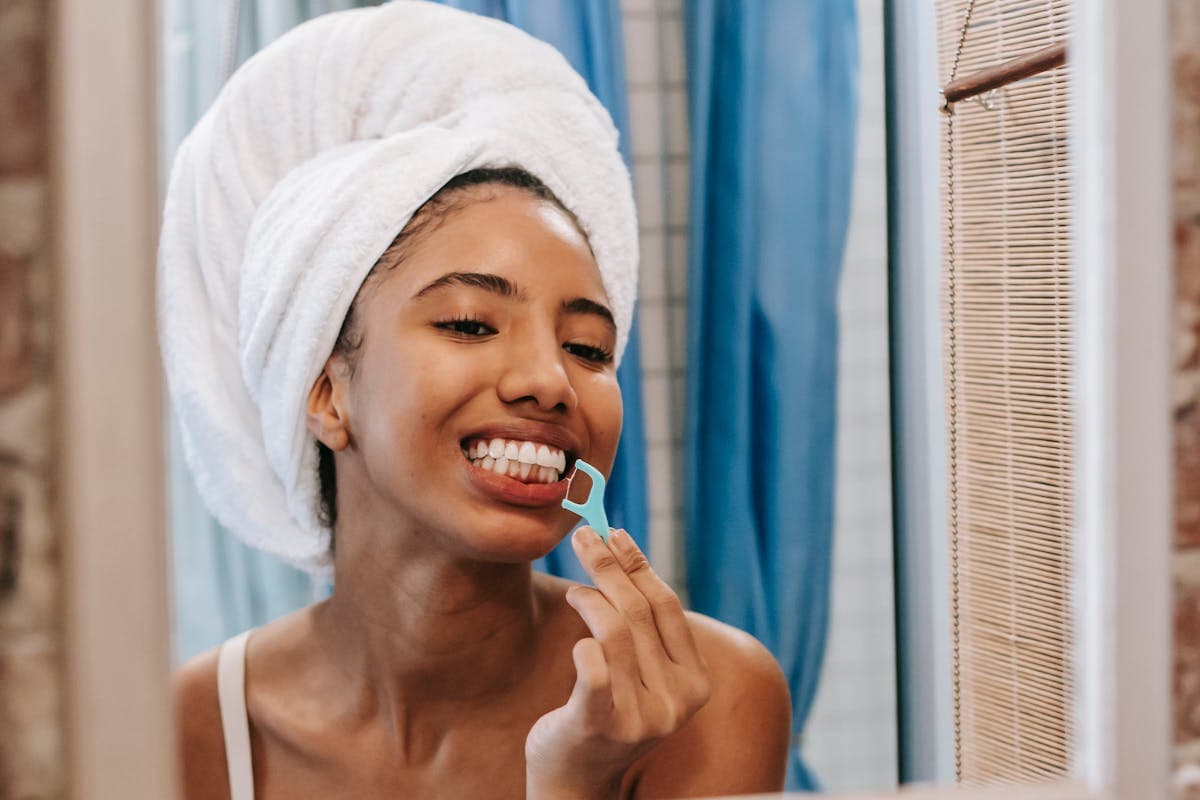
Effectively removing plaque and debris from between teeth relies on the careful manipulation of a thin, flexible filament known as dental floss. The mechanism of string floss involves inserting the floss gently between teeth, then curving it around each tooth in a C-shape to slide beneath the gumline. This action disrupts and dislodges plaque and food particles inaccessible to brushing alone. Different string floss types—waxed, unwaxed, flavored, or tape—offer varying textures and thicknesses to accommodate individual preferences and interdental spaces. The string flossing technique emphasizes controlled, vertical motion rather than horizontal snapping to prevent gum injury. By consistently applying this method, string floss effectively targets tight spaces, promoting oral hygiene through mechanical removal of debris and plaque buildup.
Benefits of String Floss
Although proper brushing removes surface plaque, interdental cleaning with floss provides critical benefits by accessing tight spaces between teeth and beneath the gumline. String flossing techniques enable effective removal of debris and plaque that brushing alone cannot reach, emphasizing dental hygiene importance. The benefits of string floss include:
Enhanced plaque removal in interdental areas, reducing risk of cavities and gum disease.
Prevention of tartar buildup by disrupting bacterial colonies in tight spaces.
Promotion of healthier gums through stimulation and removal of irritants below the gumline.
Improved breath freshness by eliminating trapped food particles contributing to odor.
Mastering correct string flossing techniques guarantees peak oral health, supporting thorough daily dental hygiene practices essential for long-term maintenance.
Benefits of Using a Water Flosser
Utilizing a water flosser offers several advantages for maintaining oral hygiene, particularly in reaching areas that traditional floss may miss. Water flosser advantages include the ability to effectively remove plaque and food debris from deep periodontal pockets and around braces or dental implants. This device uses a targeted pulsating stream of water, which can be gentler on gums, reducing irritation and bleeding compared to string floss. Additionally, water flossers improve gum health by stimulating blood circulation and reducing inflammation. Their ease of use increases patient compliance, especially for individuals with limited manual dexterity or orthodontic appliances. Overall, incorporating a water flosser into daily routines enhances oral health by complementing brushing and traditional flossing, contributing to more thorough plaque control and healthier gums.
Benefits of Using String Floss
While water flossers provide notable benefits for oral hygiene, string floss remains a widely recommended tool due to its unique ability to mechanically remove plaque and debris from tight spaces between teeth. The benefits of using string floss include:
Effective plaque removal: String flossing techniques allow direct contact with tooth surfaces, disrupting plaque that brushing alone cannot reach.
Improved gum health: Regular use reduces inflammation and prevents gingivitis by clearing bacteria from below the gumline.
Cost efficiency: String floss is affordable and widely accessible compared to electronic alternatives.
Portability and convenience: Compact and easy to use without requiring power, making it ideal for travel or on-the-go oral care.
These string floss advantages contribute greatly to thorough dental hygiene when used correctly and consistently.
Potential Drawbacks of Water Flossers
Water flossers often require a higher initial investment compared to traditional string floss, and they demand regular maintenance to guarantee peak performance. Additionally, their effectiveness may be limited in removing certain types of plaque and debris, particularly in tight interdental spaces. These factors are important considerations when evaluating their suitability for individual oral hygiene routines.
Cost and Maintenance
Although water flossers offer convenience and effectiveness, their initial cost and ongoing maintenance requirements present notable considerations. A cost comparison with traditional string floss reveals a higher upfront investment for water flossers. Additionally, maintenance requirements are more complex:
Regular cleaning of the reservoir and tips to prevent bacterial buildup.
Replacement of tips every three to six months, adding to recurring costs.
Occasional servicing or repairs for mechanical components.
Need for electrical power or battery replacement.
These factors contribute to the overall expense and effort associated with water flossers, contrasting with the minimal cost and maintenance of string floss. Users should evaluate these aspects alongside effectiveness when choosing between the two oral hygiene methods.
Effectiveness Limitations
Beyond considerations of cost and maintenance, the effectiveness of water flossers presents certain limitations that may influence their suitability for all users. An effectiveness comparison reveals that while water flossers excel at removing debris and reducing gingival bleeding, they may be less efficient at dislodging tightly packed plaque compared to string floss. Limitations analysis indicates that water flossers might not adequately clean tight interproximal spaces or below the gumline in severe periodontal cases. Additionally, improper technique or inconsistent use can reduce overall effectiveness. Although water flossers offer advantages in ease of use and comfort, these potential drawbacks must be weighed carefully. Consequently, individuals seeking the best plaque removal might consider combining methods or consulting dental professionals to select the most appropriate interdental cleaning tool.
Potential Drawbacks of String Floss
While string floss remains a popular choice for interdental cleaning, it presents several limitations that can affect its overall effectiveness and user experience. The proper string flossing technique is essential but can be difficult to master, leading to inconsistent results. Additionally, the required flossing frequency may be challenging for some users to maintain regularly. Other notable drawbacks include:
Risk of gum irritation or bleeding if used improperly.
Difficulty reaching tight or awkward spaces between teeth.
Time-consuming nature compared to other interdental cleaning methods.
Environmental concerns due to single-use plastic floss dispensers and floss material waste.
These factors can reduce the practicality and appeal of string floss for certain individuals despite its widespread recommendation by dental professionals.
Which Option Is Better for Sensitive Gums?
When evaluating interdental cleaning options for individuals with sensitive gums, it is essential to contemplate the potential for irritation and tissue damage. Water flossers provide sensitivity relief by delivering a gentle, pulsating stream of water that effectively removes plaque without harsh mechanical abrasion. This method minimizes gum trauma, promoting improved gum health, especially for those prone to bleeding or discomfort. Conversely, string floss, while effective in plaque removal, may cause irritation or micro-injuries if used improperly, potentially exacerbating sensitivity. However, some users find traditional floss more precise for tight spaces. Overall, for individuals seeking sensitivity relief and enhanced gum health, water flossers generally offer a gentler alternative that reduces irritation risk, making them a preferable choice for managing sensitive gums while maintaining interdental cleanliness.
Tips for Effective Flossing Regardless of Method
Many individuals benefit from adopting specific techniques to maximize the effectiveness of flossing, regardless of whether they use a water flosser or string floss. Proper flossing techniques are essential to maintain ideal oral hygiene and prevent gum disease.
Use gentle, controlled motions to avoid damaging gums while ensuring plaque removal.
Reach all interdental spaces, including the back teeth, to prevent bacterial buildup.
For string floss, curve the floss around each tooth in a “C” shape and slide beneath the gumline.
For water flossers, adjust pressure settings to suit sensitivity and direct the stream at a 90-degree angle to gums.
Adhering to these guidelines enhances plaque removal and supports thorough oral hygiene regardless of the chosen flossing method.
Frequently Asked Questions
Can Water Flossers Replace Professional Dental Cleanings?
Water flossers cannot replace professional dental cleanings due to limitations in efficacy comparison; although cost analysis shows convenience, they lack the thorough plaque and tartar removal achievable only through professional dental intervention.
Are Water Flossers Safe for Braces and Dental Implants?
Water flossers are generally safe for braces care and implant hygiene, effectively removing debris around brackets and implants without damage. However, users should follow manufacturer guidelines and consult dental professionals for personalized recommendations.
How Often Should String Floss Be Replaced?
String floss lifespan typically lasts for a single use, requiring replacement after each flossing session to maintain ideal hygiene. Regularly replacing dental tools like string floss prevents bacterial buildup and guarantees effective plaque removal between teeth.
Do Water Flossers Require Special Maintenance or Cleaning?
Water flosser maintenance involves regular cleaning to prevent bacterial buildup. Cleaning tips include rinsing the reservoir after each use, descaling with vinegar monthly, and replacing tips every three to six months for ideal hygiene and performance.
Can Children Use Water Flossers Safely?
Children can use water flossers safely with adult supervision to guarantee proper flossing techniques. Emphasis on child safety includes selecting appropriate pressure settings and guiding usage to prevent discomfort or injury during oral hygiene routines.