

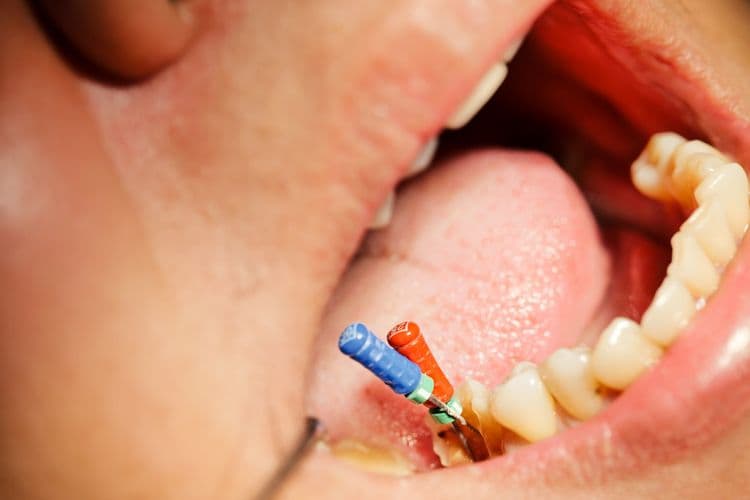
Root canal treatment is a common dental procedure designed to eliminate infection from the tooth’s pulp and preserve its structure. While often perceived as complex or uncomfortable, the procedure offers significant benefits by preventing tooth loss and maintaining oral function. However, understanding the specific indications, potential risks, and long-term outcomes is essential in evaluating whether this intervention is the most appropriate choice for individual dental health needs.
Understanding the Root Canal Procedure
The root canal procedure involves the removal of infected or damaged pulp tissue from within a tooth’s root canals, followed by thorough cleaning, shaping, and sealing to prevent further microbial invasion. This procedure is a critical component of endodontic therapy aimed at preserving the natural tooth structure. Various root canal techniques exist, including manual and rotary instrumentation, which facilitate efficient debridement and canal shaping. Irrigation protocols employing antimicrobial solutions enhance disinfection efficacy. After cleaning and shaping, obturation materials such as gutta-percha are used to hermetically seal the canals, preventing reinfection. Advanced technologies like apex locators and operating microscopes contribute to precision during treatment. Overall, the procedure restores tooth function and prevents extraction by eliminating pathological pulp tissue and establishing a sterile environment within the root canal system.
Common Reasons for Needing a Root Canal
Root canal treatment is commonly indicated due to extensive tooth decay that compromises the pulp chamber. Additionally, infections or abscess formations within the root canal system necessitate intervention to prevent further complications. Structural damage such as cracks or fractures in teeth can also expose the pulp, requiring root canal therapy to preserve the tooth.
Tooth Decay Damage
Although tooth decay often begins as a superficial enamel lesion, its progression can extend into the dentin and pulp tissues, resulting in irreversible damage. When decay breaches the enamel barrier, bacterial invasion accelerates, compromising the pulp’s health and often necessitating root canal treatment to preserve the tooth structure. Effective tooth decay prevention relies heavily on maintaining rigorous dental hygiene practices, including regular brushing, flossing, and professional cleanings. These measures reduce bacterial biofilm accumulation and acid production that erode enamel and dentin. Failure to control decay progression leads to structural weakening, increased sensitivity, and potential pulp necrosis. Consequently, understanding the dental hygiene importance is critical to mitigating decay’s advancement, reducing the frequency of endodontic interventions, and preserving long-term oral health.
Infection and Abscess
How does an infection progress to the point of requiring endodontic intervention? Dental infections typically originate from bacterial invasion of the pulp tissue due to deep caries or trauma. Infection types affecting the pulp include acute and chronic pulpitis, which, if untreated, can lead to necrosis and formation of a periapical abscess. An abscess represents a localized collection of pus resulting from the immune response to bacterial invasion within the root canal system. Abscess treatment necessitates elimination of the infection source and drainage of purulent material, often requiring root canal therapy to remove necrotic tissue and disinfect the canals. Failure to address these infections can result in the spread of pathology beyond the tooth apex, causing systemic complications. Consequently, endodontic treatment is essential to resolve infection and preserve tooth structure.
Cracked or Broken Teeth
Infections within the pulp chamber often arise from bacterial infiltration, but mechanical damage to the tooth structure can similarly compromise pulp integrity. A cracked tooth or broken tooth disrupts the protective enamel, exposing the pulp to irritants and microorganisms. This exposure frequently necessitates root canal therapy to prevent or treat pulp necrosis. Common scenarios involving cracked or broken teeth include:
- Vertical or horizontal fractures extending into the pulp chamber
- Trauma-induced tooth fractures
- Large restorations weakening tooth structure
- Occlusal stress causing micro-cracks
- Progressive decay leading to structural failure
Prompt diagnosis and intervention are critical to salvage the affected tooth and prevent further complications such as abscess formation or tooth loss. Root canal treatment addresses the compromised pulp, alleviating pain and restoring function.
Signs You Might Need a Root Canal
Indicators for root canal treatment commonly include persistent tooth pain that does not subside, heightened sensitivity to hot or cold stimuli, and localized swelling or tenderness of the surrounding gum tissue. These symptoms often reflect underlying pulp inflammation or infection necessitating intervention. Accurate identification of such signs is critical for timely diagnosis and management.
Persistent Tooth Pain
Persistent tooth pain is a critical symptom that often signals the need for endodontic intervention, such as a root canal. This chronic discomfort arises from inflammation or infection within the dental pulp, which, if untreated, can lead to severe complications. Patients experiencing persistent pain may also develop dental anxiety, complicating timely diagnosis and treatment. Clinicians assess specific indicators to determine the necessity of a root canal, including:
- Continuous throbbing or aching unrelated to external stimuli
- Pain exacerbated by chewing or pressure
- Spontaneous episodes of intense discomfort
- Lingering pain following minor trauma
- Absence of relief from over-the-counter analgesics
Recognition of these signs is essential for prompt endodontic care, minimizing complications and preserving tooth structure.
Sensitivity to Temperature
Temperature sensitivity is a common clinical symptom that may indicate underlying pulp pathology necessitating root canal therapy. This symptom often manifests as sharp, transient pain in response to hot or cold stimuli, reflecting inflammation or infection within the dental pulp. The pulp’s nerve fibers become hypersensitive due to irritants penetrating enamel or dentin, leading to heightened temperature sensitivity. Prolonged exposure to such stimuli can cause progressive nerve damage, resulting in severe or lingering pain. Diagnostic evaluation of temperature sensitivity aids in determining the health of the pulp and the extent of damage. When conservative treatments fail to alleviate symptoms and nerve damage is evident, root canal therapy is indicated to remove the infected pulp, alleviate pain, and prevent further complications.

Swollen or Tender Gums
In addition to heightened sensitivity to thermal stimuli, localized inflammation of the gingival tissues often signals underlying endodontic pathology requiring intervention. Swollen or tender gums adjacent to a tooth may indicate infection spreading beyond the pulp chamber, necessitating a root canal procedure to preserve structural integrity and gum health. Key clinical signs include:
- Persistent gum swelling near a specific tooth
- Tenderness or pain upon palpation of gingival tissues
- Formation of a periodontal abscess or sinus tract
- Redness and bleeding during routine oral hygiene
- Prolonged discomfort despite improved oral hygiene practices
Such manifestations reflect compromised pulp health and bacterial infiltration, underscoring the significance of timely endodontic evaluation to prevent progression and maintain peak oral health.
Benefits of Getting a Root Canal
Although often perceived as a complex procedure, a root canal offers significant benefits by effectively eliminating infection and preserving the natural tooth structure. This intervention prevents the spread of infection to adjacent tissues, thereby maintaining oral health integrity. From a long term benefits perspective, retaining the original tooth avoids the functional and aesthetic complications associated with extraction and prosthetic replacements. Additionally, root canals contribute to maintaining proper bite alignment and jawbone density. Cost considerations also favor root canals compared to alternatives such as implants or bridges, which often involve higher initial and maintenance expenses. Consequently, root canal therapy represents a cost-effective solution that optimizes dental function and patient outcomes over time, underscoring its value in contemporary endodontic treatment protocols.
Potential Risks and Complications
While root canal therapy is generally safe and effective, certain risks and complications can arise during or after the procedure. These root canal complications may impact treatment success and patient recovery. Common treatment risks include:
- Incomplete removal of infected tissue, leading to persistent infection
- Instrument fracture within the root canal system
- Perforation of the root or surrounding structures
- Post-operative pain or inflammation due to irritation or residual infection
- Failure of the restoration, resulting in reinfection or tooth fracture
Awareness of these potential complications is essential for clinicians to minimize risks and manage adverse outcomes effectively. Proper case selection, technique precision, and post-treatment monitoring greatly reduce the incidence of these treatment risks.
Alternatives to Root Canal Treatment
Despite advances in root canal techniques and materials, some cases may warrant consideration of alternative treatments due to patient-specific factors, anatomical challenges, or risk of complications. Extraction alternatives include dental implants, which offer a durable, biocompatible solution for tooth replacement, preserving jawbone integrity and function. In contrast, holistic treatments and natural remedies tend to focus on symptom management rather than definitive resolution of pulp pathology; these may include herbal anti-inflammatories or antimicrobial agents but lack robust clinical evidence for replacing endodontic therapy. While extraction followed by implant placement is a common alternative, it involves surgical intervention and potential complications. Ultimately, treatment selection should be guided by clinical assessment, patient preference, and long-term prognosis, balancing the benefits and limitations of each approach in managing pulpal and periapical disease.
What to Expect During Recovery
Once root canal treatment is completed, the recovery phase involves managing post-procedural symptoms and monitoring healing progression. Pain management is a primary focus during this period, typically involving over-the-counter analgesics. The recovery timeline varies but generally spans a few days to one week for initial discomfort to subside. Patients may experience mild swelling and sensitivity, which should gradually diminish.
Key aspects to expect during recovery include: - Mild to moderate discomfort managed with NSAIDs. - Temporary sensitivity to pressure or temperature. - Avoidance of strenuous chewing on the treated tooth. - Monitoring for signs of infection or prolonged pain. - Follow-up dental visits to assess healing and restoration integrity.
Adherence to these guidelines promotes ideal healing and long-term treatment success.
How to Care for Your Tooth After a Root Canal
Effective care following root canal treatment plays a vital role in ensuring the longevity and functionality of the treated tooth. Post treatment care involves maintaining ideal oral hygiene by gently brushing and flossing to prevent bacterial accumulation around the treated site. Patients should avoid chewing hard or sticky foods on the treated tooth until a permanent restoration is placed, minimizing mechanical stress. Monitoring for tooth sensitivity is essential; mild sensitivity is common but should diminish within days. Persistent or severe sensitivity may indicate complications requiring professional evaluation. Additionally, routine dental visits are important to assess healing and the integrity of the restoration. Adhering strictly to these post treatment care protocols greatly reduces the risk of reinfection and enhances the tooth’s structural durability.
Frequently Asked Questions
How Much Does a Root Canal Typically Cost Without Insurance?
Root canal pricing typically ranges from $700 to $1,500 without insurance. Cost factors include tooth location, complexity, and geographic region. Additional expenses may arise from diagnostic imaging and restorative procedures post-treatment.
Can a Root Canal Affect My Overall Health?
A root canal can positively impact systemic health by eliminating dental infections that may otherwise spread, reducing inflammation and preventing potential complications such as endocarditis or other systemic conditions linked to chronic oral infections.
How Long Does a Root Canal Tooth Last Compared to a Natural Tooth?
The longevity comparison between root canal-treated teeth and natural teeth shows that treated teeth exhibit slightly reduced tooth survival rates. However, with proper restoration and care, root canal teeth can function effectively for many years, closely mimicking natural tooth longevity.
Are Root Canals Covered by Most Dental Insurance Plans?
Most dental insurance plans provide partial insurance coverage for root canals, mitigating dental expenses. Coverage specifics vary by policy, often including copayments or deductibles; patients should verify individual plan details to understand financial responsibilities accurately.
Can Children or Teenagers Need Root Canals?
Children and teenagers can require root canals due to decay or trauma. Pediatric dentistry addresses these needs, employing techniques to manage dental anxiety effectively, ensuring successful endodontic treatment and preserving primary or permanent teeth integrity.