

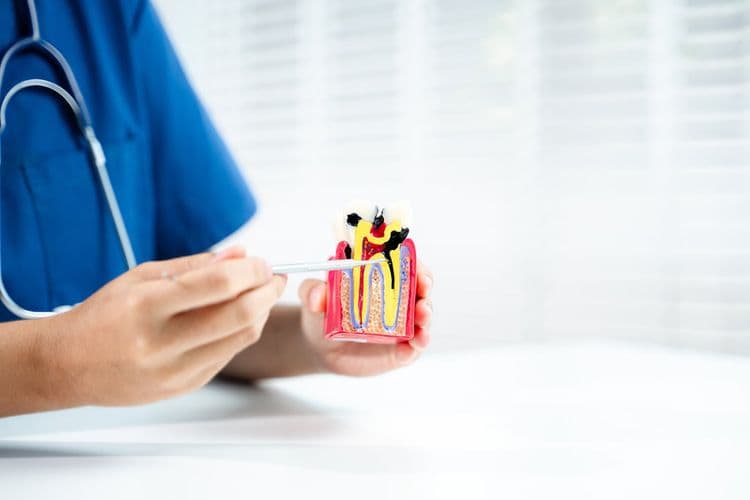
Root canal therapy is a common intervention for infected or damaged dental pulp, but it is not always the preferred or feasible solution. Alternative treatments may be necessary when complications arise or when the structural integrity of the tooth is severely compromised. Understanding these options requires careful assessment of clinical signs and patient-specific factors. Exploring these alternatives reveals a spectrum of approaches that can address both the infection and functional restoration, each with distinct implications.
Signs You Might Need an Alternative to Root Canal
When should a patient consider alternatives to a root canal? Symptom recognition and pain assessment are critical in guiding this decision. Persistent, severe pain that does not respond to conventional analgesics may indicate complications unsuitable for root canal therapy. Additionally, symptoms such as swelling, abscess formation, or a non-restorable tooth structure suggest alternative interventions. Radiographic evidence showing extensive root fractures or severe bone loss also contraindicates root canal treatment. Patients with systemic health issues that impair healing or increase procedural risks might require alternative approaches. Accurate evaluation of these factors guarantees appropriate treatment planning. Therefore, thorough clinical and radiographic assessment, combined with detailed symptom recognition and pain assessment, informs the necessity to explore alternatives to root canal therapy for ideal patient outcomes.
Tooth Extraction and Replacement Options
Tooth extraction involves the surgical removal of a compromised tooth, often as a last resort when preservation is unfeasible. Subsequent replacement options include dental implants, which offer osseointegration and long-term stability, as well as dental bridges and removable dentures that restore function and aesthetics. Each replacement modality presents distinct clinical considerations regarding durability, maintenance, and patient suitability.
Extraction Procedure Overview
Although extraction is generally considered a last resort in dental treatment, it remains a necessary procedure when preservation of the natural tooth is unfeasible. Extraction preparation involves thorough patient evaluation, including radiographic imaging and assessment of systemic health to minimize intraoperative risks. Local anesthesia is administered to guarantee patient comfort. The tooth is then carefully loosened using elevators and forceps to reduce trauma to surrounding tissues. Post-extraction, recovery care is critical to prevent complications such as infection or dry socket. This includes instructions on managing bleeding, pain control, maintaining oral hygiene, and dietary modifications. Subsequent replacement options are evaluated to restore function and aesthetics, emphasizing the importance of timely intervention following extraction to preserve alveolar bone and oral integrity.
Dental Implant Benefits
Dental implants represent a highly effective solution for tooth replacement following extraction, offering superior stability and functionality compared to traditional prosthetics. Various dental implant types, including endosteal and subperiosteal implants, provide tailored options depending on bone density and anatomical considerations. The titanium composition of implants facilitates osseointegration, promoting long-term implant success and durability. This method preserves adjacent tooth structure by eliminating the need for reduction, unlike other replacement options. Additionally, dental implants restore masticatory efficiency and maintain alveolar bone integrity, preventing resorption commonly observed post-extraction. The high implant success rates, often exceeding 95% in appropriate candidates, underscore their reliability. Consequently, dental implants present a clinically advantageous alternative for tooth replacement, optimizing functional and esthetic outcomes while minimizing complications associated with other prosthetic interventions.
Bridge and Denture Options
Several prosthetic options exist for replacing extracted teeth, with bridges and dentures being among the most commonly utilized. Dental bridges typically consist of pontics supported by abutment teeth and are fabricated from various bridge materials, including porcelain fused to metal, zirconia, and gold alloys, each offering distinct strength and aesthetic properties. Denture types vary primarily between partial and complete dentures, designed to replace some or all missing teeth respectively. Partial dentures utilize metal or acrylic frameworks to anchor onto remaining teeth, while complete dentures rest directly on the mucosa. Both prosthetic options aim to restore masticatory function and occlusal stability but differ in invasiveness, durability, and maintenance requirements. Selection depends on clinical factors, patient preference, and anatomical considerations.
Dental Crowns as a Protective Measure
When a tooth’s structural integrity is compromised due to decay or trauma, crowns serve as a restorative solution designed to encase the entire visible portion of the tooth. Dental crown types vary, including porcelain, metal, ceramic, and composite resins, each selected based on durability, aesthetics, and biocompatibility. Crown placement involves precise tooth preparation, impression taking, and temporary crown fitting before the final restoration is cemented. The protective benefits of dental crowns include:
- Reinforcement of weakened tooth structure
- Prevention of further decay or fracture
- Restoration of occlusal function
- Enhancement of esthetic appearance
- Distribution of masticatory forces to reduce stress on remaining tooth
These factors make crowns a viable alternative to root canal therapy in select cases by preserving tooth health while providing structural support.
Pulp Capping for Minor Tooth Decay
Although minor tooth decay can compromise the pulp, pulp capping offers a conservative treatment aimed at preserving pulp health and preventing the need for more invasive procedures. Pulp capping techniques involve applying a biocompatible material directly over the exposed or nearly exposed dental pulp to encourage healing and maintain vitality. Direct pulp capping is used when pulp exposure occurs, while indirect pulp capping treats deep carious lesions without exposure. Materials such as calcium hydroxide and mineral trioxide aggregate are commonly employed due to their antimicrobial and dentinogenic properties. Clinical studies indicate varied success rates depending on case selection and material used, with mineral trioxide aggregate generally demonstrating higher long-term success. Overall, pulp capping remains a feasible alternative to root canal therapy for early-stage decay when pulp inflammation is minimal.
Antibiotic Therapy for Infection Control
While pulp capping addresses early pulp involvement by promoting healing, cases with established infection may require adjunctive measures to control microbial proliferation. Antibiotic therapy plays an essential role in infection management by targeting pathogenic bacteria resistant to mechanical debridement alone. The antibiotic effectiveness depends on appropriate drug selection, dosage, and duration, tailored to the infection’s severity and microbial profile. Key considerations include:
- Identification of bacterial strains to optimize antibiotic choice
- Use of systemic antibiotics to reach infected periapical tissues
- Monitoring for antibiotic resistance development
- Integration with local infection control procedures
- Assessment of patient-specific factors influencing drug metabolism
Antibiotic therapy serves as a complementary approach rather than a standalone alternative, aiming to reduce infection load and improve clinical outcomes in managing dental infections.

Natural Remedies for Tooth Pain Relief
Natural remedies for tooth pain relief include several herbal options known for their analgesic properties. Clove oil, containing eugenol, exhibits significant antimicrobial and anesthetic effects that can alleviate discomfort. Additionally, the application of a cold compress serves as a non-pharmacological method to reduce inflammation and numb the affected area.
Herbal Pain Relief Options
When conventional dental treatments are inaccessible or undesired, herbal pain relief options present a viable alternative for managing tooth pain. These options often utilize herbal extracts and essential oils known for their analgesic and anti-inflammatory properties. Active compounds in these botanicals can modulate pain pathways and reduce localized inflammation. Commonly employed herbal agents include:
- Peppermint oil, containing menthol for a cooling analgesic effect
- Chamomile extract, recognized for its anti-inflammatory benefits
- Eucalyptus oil, which exhibits both analgesic and antimicrobial activity
- Turmeric, rich in curcumin that inhibits inflammatory mediators
- Ginger, noted for its analgesic and anti-inflammatory constituents
While these herbal remedies offer symptomatic relief, they do not replace professional dental diagnosis or treatment. Proper usage and concentration are critical to maximize efficacy and minimize adverse reactions.
Clove Oil Benefits
Clove oil demonstrates significant efficacy as an analgesic and antiseptic agent in managing tooth pain. Its primary active compound, eugenol, provides potent analgesic effects by inhibiting nerve conduction and reducing inflammation. Additionally, clove oil exhibits antimicrobial properties that help control oral pathogens, contributing to improved dental health. Topical application to the affected tooth or surrounding gum tissue can temporarily alleviate pain associated with dental caries, pulpitis, or minor oral infections. Clinical studies support clove oil’s role in reducing pain intensity and microbial load, making it a viable natural alternative for symptomatic relief. However, it should be used with caution to avoid mucosal irritation or allergic reactions. Overall, clove oil remains a valuable adjunct in non-invasive dental pain management strategies.
Cold Compress Usage
In addition to topical analgesics like clove oil, external physical methods such as cold compresses offer effective pain relief for dental discomfort. Cold compress techniques reduce inflammation and numb affected areas, providing a non-invasive alternative for tooth pain management. Applying a cold compress to the cheek can constrict blood vessels, which diminishes swelling and slows nerve impulses that transmit pain signals. Proper usage includes limiting application to 15-20 minutes intervals to prevent tissue damage.
Key considerations for cold compress usage as pain relief methods include:
- Use a clean cloth to wrap the ice pack
- Avoid direct skin contact with ice
- Apply intermittently to avoid frostbite
- Target the affected side of the face
- Combine with other analgesics for enhanced effect
These methods support symptom control while exploring alternatives to root canal therapy.
When to Consider No Treatment
Although dental intervention is often recommended for compromised teeth, certain clinical situations justify deferring treatment. When to contemplate no treatment primarily depends on factors such as asymptomatic presentation, absence of radiographic pathology, and patient systemic health status. Teeth exhibiting minimal or arrested caries without pulpal involvement may warrant monitoring rather than immediate intervention. Additionally, patients with significant comorbidities or contraindications to dental procedures might be managed conservatively to avoid procedural risks. In cases where patient preference or limited access to care precludes immediate treatment, periodic evaluation can be an option. However, careful documentation and risk assessment are essential to prevent progression. Therefore, when to contemplate no treatment is a decision grounded in clinical judgment, patient factors, and risk-benefit analysis rather than routine omission of therapy.
Consulting With a Dental Specialist
When complex dental conditions exceed general practice capabilities, consulting with a dental specialist becomes essential to assure ideal patient outcomes. Dental specialists offer advanced diagnostic tools and expertise, broadening available treatment options beyond conventional approaches. This collaboration guarantees customized care plans tailored to specific clinical scenarios. Key considerations when engaging dental specialists include:
- Accurate diagnosis through specialized imaging and assessment
- Evaluation of alternative treatment options such as endodontic retreatment or surgical interventions
- Expertise in managing complex anatomical variations or infections
- Coordination between general dentists and specialists for extensive care
- Patient education regarding prognosis and procedural risks
Ultimately, involving dental specialists enhances decision-making precision, optimizing therapeutic efficacy while minimizing unnecessary procedures or complications.
Frequently Asked Questions
How Much Do Alternatives to Root Canals Typically Cost?
The cost comparison reveals alternatives to root canals range from $300 to $2,000, depending on procedure complexity. Treatment affordability varies considerably, influenced by geographic location, insurance coverage, and specific dental conditions requiring intervention.
Are Alternatives to Root Canals Covered by Dental Insurance?
Insurance coverage for alternatives to root canals varies considerably depending on the provider and specific treatment options. Some plans partially cover procedures like pulp capping or extraction, but verification with the insurance policy is essential for accurate benefits assessment.
Can Children Opt for Alternatives to Root Canal Treatment?
Children can opt for alternatives in pediatric dentistry, depending on clinical evaluation. Considerations include managing dental anxiety and ensuring minimally invasive treatments are appropriate, balancing efficacy with patient cooperation and long-term oral health outcomes.
How Long Do Alternative Treatments Last Compared to Root Canals?
Alternative treatments generally exhibit lower treatment longevity and success rates compared to root canals, which typically demonstrate higher durability and predictable outcomes. Longevity varies based on procedure type, patient health, and adherence to post-treatment care protocols.
Are There Any Dietary Restrictions After Alternative Dental Treatments?
Dietary guidelines following alternative dental treatments typically recommend avoiding hard, sticky, or extremely hot foods to prevent damage. Post treatment care emphasizes gentle chewing and maintaining oral hygiene to guarantee ideal healing and longevity of the restoration.