

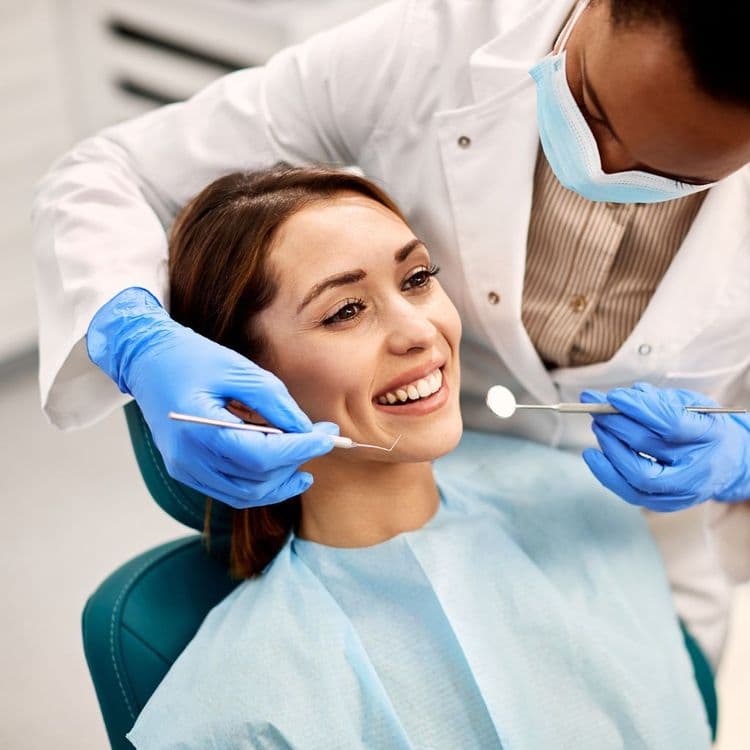
Many individuals notice persistent yellowing of their teeth despite regular brushing. This phenomenon can result from factors beyond surface plaque, including enamel translucency, dietary choices, and lifestyle habits that contribute to deeper staining. Understanding why daily brushing alone may not restore teeth to a brighter shade requires examining the underlying causes of discoloration and the limitations of routine oral hygiene practices.
The Role of Enamel and Dentin in Tooth Color
The color of teeth is primarily influenced by the interaction between two key structures: enamel and dentin. Enamel, the outermost layer, is translucent and varies in thickness, directly affecting tooth brightness. Thicker enamel tends to mask the underlying dentin, resulting in a whiter appearance. Conversely, thinner enamel allows more dentin to show through, which typically has a yellowish hue. Dentin exposure increases with enamel erosion or wear, contributing to a darker or more yellow tooth color. These anatomical factors are intrinsic and not solely dependent on external hygiene practices. Understanding the relationship between enamel thickness and dentin exposure is essential for interpreting tooth color variations and addressing concerns about yellowing despite regular brushing.
How Diet Affects the Shade of Your Teeth
Diet plays a significant role in influencing tooth color through the consumption of staining foods and beverages such as coffee, tea, and red wine. Additionally, acidic foods can erode enamel, making teeth more susceptible to discoloration. Nutrient deficiencies may also impact oral health, potentially altering the natural shade of teeth.
Staining Foods and Drinks
Certain foods and beverages contain pigments and acids that can contribute to the discoloration of teeth over time. Significantly, coffee consumption introduces dark tannins, which adhere to tooth enamel, leading to a yellowish or brownish tint. Similarly, red wine contains chromogens and tannins that can stain teeth by binding to enamel surfaces. Other common staining agents include tea, cola, and certain berries, all rich in pigments capable of altering tooth color. Frequent exposure to these substances increases the likelihood of visible staining, even with regular brushing. While oral hygiene can mitigate some effects, dietary habits heavily influence tooth shade. Understanding the impact of these staining foods and drinks is essential for managing and preventing teeth discoloration effectively.
Acidic Impact on Enamel
Beyond the staining properties of various foods and drinks, their acidic content also plays a significant role in altering tooth color. Frequent consumption of acidic beverages, such as citrus juices, sodas, and certain sports drinks, can lead to enamel erosion. This erosion thins the outer protective layer of the teeth, exposing the underlying dentin, which naturally has a yellowish hue. As enamel wears away, teeth appear more yellow despite regular brushing. Additionally, enamel erosion increases tooth sensitivity and vulnerability to further discoloration. Preventing enamel erosion involves moderating intake of acidic beverages and maintaining proper oral hygiene. Understanding the impact of dietary acids on enamel integrity is essential in addressing yellowing teeth, as brushing alone cannot reverse the effects of enamel loss caused by acid exposure.
Nutrient Deficiencies Effects
Although external factors like staining and enamel erosion greatly influence tooth color, internal nutritional status also plays an essential role in dental health and appearance. Nutrient absorption deficiencies can compromise enamel integrity, leading to increased yellowing as the dentin beneath becomes more visible. Specifically, vitamin deficiency—such as a lack of vitamin D or calcium—reduces mineralization, weakening enamel structure. Additionally, insufficient intake of vitamins A and C can impair gum health, indirectly affecting tooth coloration through inflammation or infection. Poor nutrient absorption resulting from gastrointestinal disorders or inadequate diet further exacerbates these effects, diminishing the mouth’s natural defense against discoloration. Consequently, maintaining balanced nutrition is critical not only for overall health but also for preserving the natural whiteness and resilience of teeth.
Impact of Smoking and Tobacco Use on Tooth Discoloration
Frequently, smoking and tobacco use greatly contribute to tooth discoloration due to the presence of tar and nicotine, which penetrate the enamel and cause yellowing or brown staining. The tobacco effects on oral health extend beyond surface stains, weakening enamel and promoting plaque accumulation. These factors combined make teeth appear persistently discolored despite regular brushing. Smoking cessation is a critical step to prevent further staining and improve overall oral health. Key impacts include:
- Tar and nicotine cause deep, stubborn stains.
- Enamel erosion increases vulnerability to discoloration.
- Tobacco use promotes plaque and tartar buildup.
- Quitting smoking can gradually reduce staining and improve gum health.
Understanding these effects highlights the importance of addressing tobacco use for achieving and maintaining whiter teeth.
The Limitations of Brushing Alone for Whitening Teeth
While eliminating tobacco use can greatly reduce further staining, it does not fully reverse existing discoloration. Brushing alone, even with ideal brushing techniques, has inherent limitations in whitening teeth. Standard toothpaste primarily removes surface plaque and debris but lacks the chemical agents necessary to break down deeper stains embedded within the enamel. Additionally, overbrushing or improper techniques may cause enamel wear, potentially exposing the underlying dentin, which is naturally yellowish. Whitening products, such as those containing peroxide-based agents, are specifically formulated to penetrate enamel and oxidize pigmented compounds, achieving more effective whitening results. Consequently, relying solely on daily brushing without incorporating appropriate whitening products may be insufficient for significant stain removal. A combination of proper oral hygiene and targeted whitening treatments is typically required to address yellow discoloration effectively.
The Effect of Aging on Tooth Appearance
As individuals age, the enamel on teeth gradually thins, exposing the underlying dentin, which tends to darken over time. Additionally, changes in dentin color contribute to a more yellow appearance. Reduced saliva production with age also affects oral health, potentially influencing tooth discoloration.
Natural Enamel Thinning
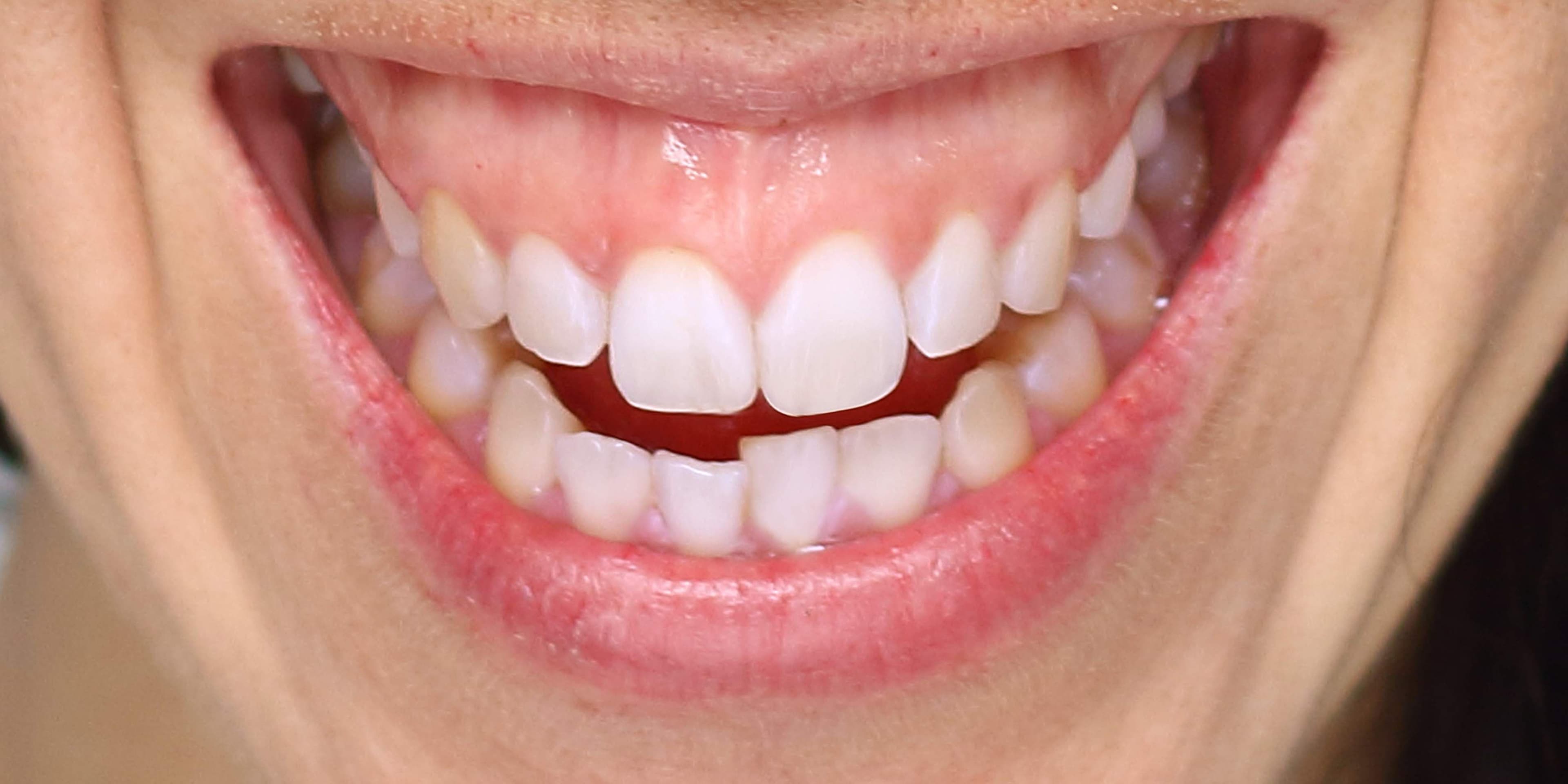
Enamel thinning is a natural process that occurs with age, greatly impacting the color and appearance of teeth. This gradual enamel erosion exposes the underlying dentin, which is naturally more yellow, contributing to a darker tooth shade despite regular brushing. Factors influencing enamel thinning include:
- Mechanical wear from chewing and brushing
- Acidic food and beverage exposure accelerating enamel erosion
- Reduced saliva production limiting natural enamel repair
- Genetic predisposition affecting enamel thickness
While enamel cannot regenerate, certain natural remedies may help slow thinning and maintain enamel strength. These include fluoride treatments, oil pulling, and using toothpaste with natural minerals. Understanding enamel thinning highlights the importance of protective oral habits to mitigate yellowing caused by aging.
Dentin Color Changes
Beneath the enamel lies the dentin, a dense, yellowish tissue that greatly influences tooth color. With aging, changes in dentin thickness and increased dentin exposure contribute to the yellowing of teeth. Over time, enamel naturally thins, reducing its translucent quality and allowing the underlying dentin’s hue to become more prominent. Additionally, dentin undergoes physiological changes, including increased mineral deposition, which can deepen its yellowish tone. The combined effect of reduced enamel thickness and altered dentin characteristics results in a noticeable shift toward a darker, more yellow appearance. Consequently, dentin exposure and modifications in dentin thickness are key factors in understanding why teeth may appear yellow despite regular brushing and good oral hygiene practices.
Reduced Saliva Production
Although saliva production naturally decreases with age, this reduction considerably impacts the appearance and health of teeth. Saliva functions as a natural cleanser, removing food particles and neutralizing acids that cause enamel erosion. A decline in saliva leads to increased plaque accumulation and staining, contributing to yellowing teeth despite regular brushing. Additionally, reduced saliva compromises oral hygiene by diminishing its antibacterial properties, increasing the risk of decay and gum disease. Factors influenced by decreased saliva production include:
- Slower clearance of staining substances from the mouth
- Increased acid attack on enamel leading to discoloration
- Higher susceptibility to bacterial growth and plaque buildup
- Impaired remineralization of tooth surfaces
Maintaining ideal oral hygiene becomes more challenging as saliva production declines, necessitating enhanced preventive care.
Choosing the Right Toothpaste for Whitening
How can selecting the appropriate toothpaste influence the whitening of teeth? Whitening toothpaste plays a significant role in managing tooth discoloration by incorporating specific active ingredients designed to reduce surface stains. These ingredients often include mild abrasives, such as silica or calcium carbonate, which physically remove stains during brushing. Additionally, some whitening toothpastes contain chemical agents like hydrogen peroxide or carbamide peroxide that help break down deeper stains. It is essential to choose a toothpaste that balances effective stain removal with enamel safety, as overly abrasive formulas can damage tooth surfaces. Regular use of a suitable whitening toothpaste can gradually improve tooth brightness; however, its effectiveness is limited to extrinsic stains and does not address intrinsic discoloration or deep staining.
Professional Dental Cleanings and Whitening Options
When should individuals consider professional dental cleanings and whitening treatments to address yellowing teeth? Professional cleanings are recommended when everyday brushing fails to remove plaque and tartar buildup, which can contribute to discoloration. Whitening treatments may be appropriate when intrinsic stains or deeper discoloration persist despite regular oral hygiene.
Key considerations for professional cleanings and whitening treatments include:
- Presence of stubborn surface stains resistant to over-the-counter products
- Desire for faster, more noticeable whitening results
- Consultation with a dental professional to determine appropriate treatment
- Assessment of dental health to guarantee suitability for whitening procedures
Professional cleanings effectively remove hardened deposits, while whitening treatments target discoloration at the enamel level, offering a safe and controlled approach to improving tooth color.
Lifestyle Changes to Prevent Further Yellowing
Since tooth discoloration can be influenced by daily habits, implementing lifestyle changes is essential to prevent further yellowing. Effective lifestyle adjustments include reducing the consumption of staining substances such as coffee, tea, red wine, and tobacco products. Additionally, increasing water intake helps rinse away food particles and acids that contribute to enamel erosion and discoloration. Maintaining consistent dental habits, including brushing twice daily with fluoride toothpaste and flossing regularly, supports enamel health and plaque removal. Using a straw when consuming colored beverages minimizes direct contact with teeth, further reducing staining risks. Incorporating these lifestyle adjustments alongside routine professional dental cleanings can greatly slow the progression of yellowing and promote a brighter, healthier smile over time.
Frequently Asked Questions
Can Certain Medications Cause Yellow Teeth?
Certain medication types, such as tetracycline antibiotics and antihistamines, can cause yellow teeth discoloration despite regular dental hygiene. These medications may affect enamel pigmentation or saliva production, leading to visible staining or yellowing over time.
Does Drinking Coffee or Tea Stain Teeth Permanently?
Drinking coffee or tea can cause surface stains on teeth, not permanent discoloration. Selecting lighter tea types or coffee alternatives like herbal infusions may reduce staining, combined with proper oral hygiene and regular dental cleanings for best results.
How Does Genetics Influence Tooth Color?
Genetic factors influence tooth color primarily through enamel thickness and composition. Thinner enamel allows more dentin’s natural yellow hue to show, while variations in mineral content and translucency, dictated by genetics, also affect overall tooth coloration.
Can Hormonal Changes Affect Tooth Discoloration?
Hormonal fluctuations can affect tooth discoloration by altering the composition and integrity of tooth enamel. These changes may increase enamel porosity, making teeth more susceptible to staining and resulting in a yellowish appearance despite regular brushing.
Is Yellowing Reversible Without Professional Treatment?
Yellowing may be partially reversible using natural remedies and improved dietary choices, such as reducing staining foods and increasing water intake. However, significant discoloration often requires professional treatment for effective and lasting results.