

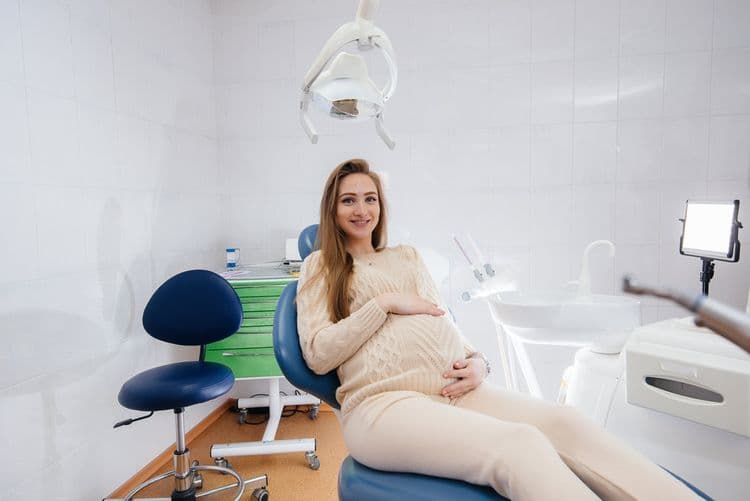
Veneers offer cosmetic enhancements, but pregnancy introduces unique oral health challenges. Hormonal fluctuations can exacerbate gingivitis and cavities, prompting a need for cautious dental care. While routine procedures like veneers are typically safe in the second trimester, unnecessary treatments should wait until after delivery. Balancing maternal and fetal well-being with cosmetic desires requires careful consultation with healthcare providers. Understanding these considerations is vital for expectant mothers contemplating veneers.
Understanding Veneers and Their Purpose
Veneers, while often associated with cosmetic dentistry, serve a functional purpose by covering the front surface of teeth to improve their appearance and protect the tooth structure. These thin shells are fabricated from various veneer materials, mainly porcelain or composite resin, each selected for its durability and aesthetic properties. Porcelain veneers, renowned for their natural appearance and stain resistance, offer significant cosmetic benefits, enhancing the smile’s overall symmetry and brightness. Composite resin, while less costly, allows for more conservative tooth preparation and reparability. The application process involves meticulous tooth preparation to guarantee a secure bond and longevity, emphasizing patient safety. Evidence-based practices guide the selection of veneer materials and techniques, assuring ideal outcomes for both appearance and dental health maintenance.
How Pregnancy Affects Oral Health
During pregnancy, hormonal fluctuations can greatly impact oral health, particularly by increasing the susceptibility of gums to conditions such as gingivitis. These changes can also elevate the risk of developing cavities due to altered oral pH levels and dietary modifications. It is essential for pregnant individuals to maintain rigorous oral hygiene practices and consult with dental professionals to mitigate these potential risks.
Hormonal Changes Impact Gums
Pregnancy triggers a cascade of hormonal changes that considerably affect oral health, particularly the gums. Hormonal fluctuations during this period lead to increased blood flow to gum tissues, resulting in heightened gum sensitivity. This condition, known as pregnancy gingivitis, manifests as swollen, tender, and bleeding gums, affecting up to 70% of pregnant individuals. Elevated levels of estrogen and progesterone are chiefly responsible for these changes, as they alter the body’s response to bacterial plaque. Maintaining rigorous oral hygiene is paramount to mitigate these effects. Evidence suggests that the enhanced inflammatory response to plaque can exacerbate existing gum issues, emphasizing the need for professional dental monitoring. Understanding these changes is critical to patient safety, ensuring peak oral health throughout pregnancy.
Increased Risk of Cavities
While expecting a child, the risk of developing dental cavities can considerably increase due to several physiological and behavioral factors. Hormonal changes can alter the oral environment, increasing acidity and reducing the protective effects of saliva. Additionally, pregnancy-related nausea may lead to more frequent vomiting, further exposing teeth to acid. These conditions necessitate vigilant dental hygiene practices and cavity prevention measures.
Evidence suggests that pregnant individuals may neglect oral care due to fatigue or morning sickness, heightening cavity risk. It is essential for healthcare providers to emphasize the importance of maintaining a rigorous dental hygiene routine, including regular brushing with fluoride toothpaste, flossing, and professional dental cleanings. Proactive cavity prevention not only protects maternal oral health but also contributes positively to fetal well-being.
Hormonal Changes and Dental Considerations
As hormonal fluctuations occur throughout pregnancy, they can greatly impact oral health, necessitating careful dental considerations. Increased levels of progesterone and estrogen may lead to enhanced blood flow to gum tissues, potentially causing gingival inflammation and dental sensitivity. This sensitivity can impact a pregnant individual’s comfort during dental procedures, including the application of veneers. Additionally, changes in saliva composition and pH levels can contribute to an increased risk of enamel erosion, further complicating dental treatments. Clinicians must adopt an evidence-based approach to modifying treatment plans, ensuring patient safety while addressing these hormonal influences. Regular monitoring and adjusting dental hygiene practices are essential for mitigating negative impacts on oral health during pregnancy, supporting both maternal and fetal well-being.
Assessing the Safety of Dental Procedures During Pregnancy
The assessment of dental procedure safety during pregnancy necessitates adherence to established guidelines that prioritize both maternal and fetal health. Specific considerations for veneers include evaluating potential risks such as stress from dental visits and exposure to certain materials. Evidence-based protocols recommend minimizing non-essential procedures during the first trimester and opting for the second trimester when treatment is necessary.
Pregnancy Dental Procedure Guidelines
Although dental health is essential during pregnancy, it is important to carefully assess the safety of various dental procedures, including veneers. Pregnancy dental care requires adherence to established guidelines to guarantee maternal and fetal safety. Evidence-based recommendations suggest that routine dental procedures are generally safe, particularly during the second trimester. Emphasis on oral hygiene tips, such as regular brushing and flossing, is important to maintain oral health and prevent complications. Dental professionals must evaluate the necessity and timing of elective procedures, considering potential risks and benefits. The use of local anesthesia is deemed safe, but practices should avoid elective procedures during the first trimester and late third trimester unless urgent. Thorough consultation with healthcare providers is advised for personalized care.
Veneers and Pregnancy Risks
How safe are veneers during pregnancy? The safety of dental procedures, such as applying veneers, is a pertinent concern for pregnant patients. Veneer materials, typically porcelain or resin composite, are considered biocompatible and safe. However, pregnancy hormones can affect gum health, potentially leading to increased sensitivity or bleeding. Evidence suggests that while the veneer procedure itself is minimally invasive, the use of anesthesia and the stress of dental visits should be minimized during pregnancy, particularly in the first trimester. According to expert guidelines, elective dental treatments are best deferred until the second trimester. Dentists must assess individual risks, considering both the materials used and the fluctuating physiological state due to pregnancy hormones, to guarantee ideal maternal-fetal safety.
Potential Risks of Veneers for Expectant Mothers
When considering dental veneers during pregnancy, what potential risks should expectant mothers be aware of? Primarily, the materials used in veneers, such as composite resin or porcelain, must be evaluated for any potential adverse impacts on both the mother and the developing fetus. Although generally considered safe, the body’s response to these materials can vary, necessitating thorough assessment. Additionally, the administration of dental anesthesia during veneer placement requires careful consideration. Local anesthetics, while typically safe in pregnancy, should be used judiciously, balancing effective pain management with minimal fetal exposure. Clinicians must adhere to established guidelines to minimize any potential risks. Overall, understanding the implications of veneer materials and anesthesia is essential for safeguarding maternal and fetal health during the veneer procedure.
Consulting With Your Dentist: Questions to Ask
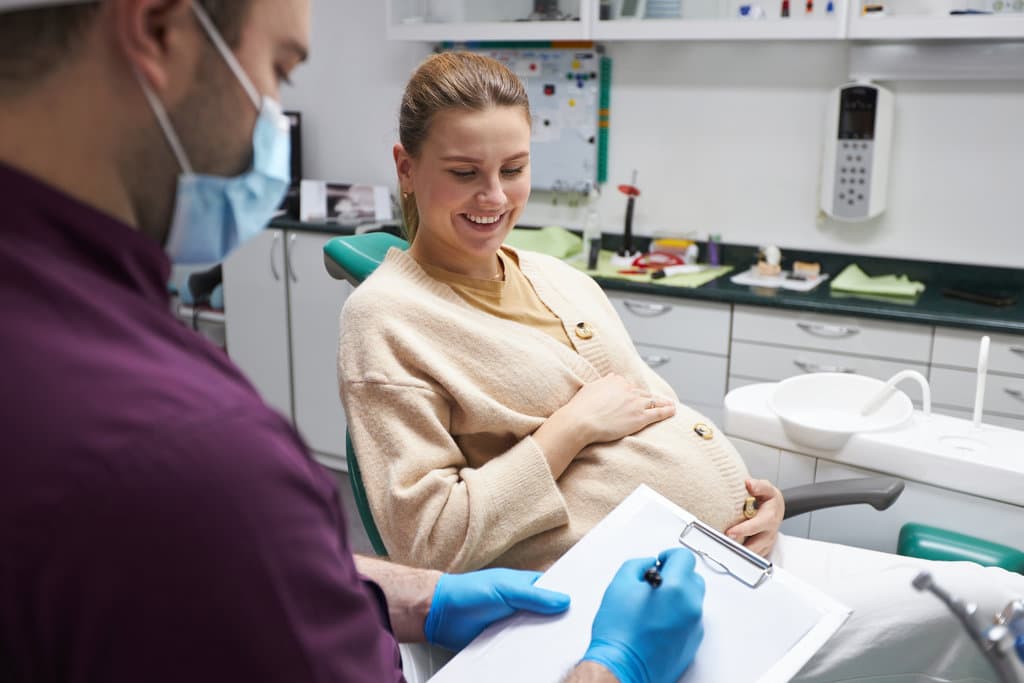
Before starting on the journey of dental veneers during pregnancy, what vital questions should expectant mothers pose to their dentist? First, inquire about the impact of pregnancy on dental safety and the potential risks associated with veneers. Understanding any pregnancy concerns, such as hormonal changes affecting gum health, is essential. Ask whether the timing of the procedure aligns with the safest period during pregnancy, typically the second trimester. Discuss the materials used in veneers and their compatibility with pregnant individuals. It’s also important to explore if any modifications in anesthesia or pain management are required to guarantee fetal safety. Finally, request evidence-based recommendations tailored to the unique circumstances of pregnancy, ensuring both maternal and fetal well-being throughout the dental procedure.
Alternative Dental Solutions for Pregnant Women
While dental veneers are a popular cosmetic procedure, pregnant women may need to contemplate alternative solutions due to potential risks and complications. Emphasizing oral hygiene is paramount; regular brushing, flossing, and professional cleanings are critical to maintaining dental health during pregnancy. Pregnant women are encouraged to explore natural remedies, such as using a baking soda and water mixture to gently polish teeth, which can provide a safe alternative to cosmetic enhancements. Evidence-based practices highlight the importance of a balanced diet rich in calcium and vitamin D to support oral health. The implementation of these strategies can effectively address cosmetic concerns while ensuring the safety of both the mother and the developing fetus, aligning with best practices in patient safety and dental care.
Timing and Planning: When to Consider Cosmetic Dentistry
How does one determine the ideal timing for cosmetic dentistry procedures in relation to pregnancy? Timing considerations are vital for guaranteeing patient safety and ideal outcomes. The American Dental Association recommends postponing elective cosmetic dentistry, such as veneers, until after childbirth to minimize potential risks. Hormonal changes during pregnancy can affect oral health, potentially complicating procedures. The second trimester is generally considered safest for necessary dental work due to reduced risks of nausea and fetal development concerns. However, it is advisable to avoid procedures that require extensive anesthesia or radiographs unless absolutely necessary. Consulting with a healthcare provider guarantees evidence-based decisions tailored to individual health needs, aligning cosmetic goals with maternal and fetal safety. Consequently, careful planning is essential for timing considerations in cosmetic dentistry.
Long-Term Oral Health Tips for Expectant Mothers
Maintaining ideal oral health during pregnancy is essential for both maternal and fetal well-being. Expectant mothers should prioritize oral hygiene practices, including regular brushing with fluoride toothpaste and flossing. Hormonal changes can increase susceptibility to gingivitis, making dental check-ups vital. Evidence-based recommendations suggest that periodontal health impacts pregnancy outcomes, potentially influencing preterm birth risks. Dietary choices play a significant role; incorporating calcium-rich foods supports tooth enamel strength. Limiting sugar intake reduces the risk of dental caries. Adequate hydration aids in maintaining saliva flow, which is a natural defense against oral pathogens. Dental professionals advise using non-alcoholic mouth rinses to enhance oral hygiene. By adhering to these guidelines, expectant mothers can safeguard their long-term oral health and optimize pregnancy outcomes.
Frequently Asked Questions
Can Veneers Cause Morning Sickness or Other Pregnancy Symptoms to Worsen?
Morning sickness triggers are multifactorial, and while veneers typically don’t exacerbate symptoms, dental anxiety management is essential. Evidence-based practices emphasize patient safety, recommending consultation with healthcare providers to address any concerns during pregnancy.
Are There Specific Materials in Veneers That Should Be Avoided During Pregnancy?
Current research lacks definitive evidence on veneers materials affecting pregnancy safety. However, dental professionals suggest ensuring biocompatibility and avoiding materials that might release harmful substances, prioritizing patient safety through evidence-based practices. Consulting healthcare providers remains essential.
How Do Veneers Impact Nutrition Absorption if Eating Habits Change During Pregnancy?
Nutrition changes during pregnancy can affect dental health, but veneers themselves do not directly impact nutrient absorption. Maintaining proper oral hygiene and consulting healthcare professionals guarantees dental restorations do not compromise nutritional intake during this period.
Can Stress From Pregnancy Affect the Longevity of Veneers?
Stress impact and hormonal changes during pregnancy can affect oral health, potentially influencing the longevity of dental veneers. Evidence suggests maintaining oral hygiene and managing stress is essential for veneer durability and overall patient safety.
Do Veneers Require Special Care or Maintenance During Pregnancy?
Veneer maintenance requires consistent oral hygiene practices. Evidence-based guidelines stress the importance of regular dental check-ups. Maintaining oral hygiene is vital to prevent complications, ensuring veneers’ integrity and patient safety, particularly during pregnancy when routine care becomes essential.