

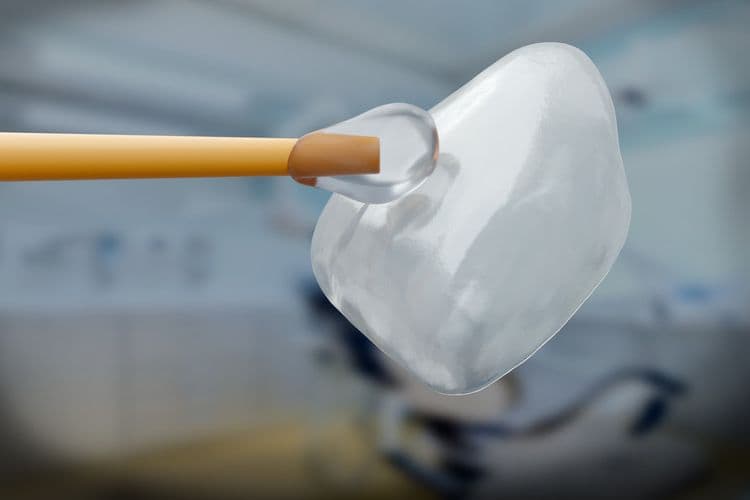
When deciding between composite and porcelain veneers, one must evaluate the unique characteristics and benefits of each. Composite veneers are cost-effective and can be applied quickly, but porcelain veneers offer greater durability and a more natural appearance. The choice hinges on factors like budget, desired longevity, and aesthetic preferences. Weighing these elements, alongside professional dental advice, is essential for determining the best solution to meet individual needs.
Understanding Veneers: An Overview
Veneers are thin shells of material applied to the front surface of teeth to improve aesthetics or protect damaged tooth surfaces. Dental professionals typically categorize veneers into two primary types: composite and porcelain. Composite veneers are crafted from a resin material that can be directly applied to teeth, offering a cost-effective and time-efficient solution. In contrast, porcelain veneers are custom-made from ceramic, providing superior durability and a natural appearance due to their ability to mimic the light-reflecting properties of natural teeth. The benefits of veneers extend beyond esthetic enhancement; they offer protection for worn enamel, correct minor misalignments, and close gaps between teeth. These veneer types each present unique advantages, allowing clinicians to tailor solutions to individual patient needs.
The Application Process: What to Expect
In the application process for veneers, both composite and porcelain types necessitate distinct preparation and bonding techniques. The procedure duration varies, with composite veneers typically completed in a single appointment and porcelain veneers requiring multiple visits due to lab fabrication. Detailed steps include tooth preparation, impression-taking, and the final placement of the veneers to guarantee ideal fit and functionality.
Preparation and Bonding Techniques
Although both composite and porcelain veneers serve the purpose of enhancing dental aesthetics, their preparation and bonding techniques differ markedly, impacting the overall application process. Composite veneers require minimal tooth preparation, often involving slight enamel etching to guarantee ideal adhesion. The bonding techniques for composites involve direct application and sculpting of resin materials onto the tooth surface, followed by curing with a special light. Conversely, porcelain veneers necessitate more extensive preparation methods, including enamel reduction to accommodate the veneer thickness. The bonding process for porcelain involves using a high-strength resin cement, assuring a durable bond between the veneer and tooth structure. Understanding these distinct preparation and bonding techniques is crucial for determining the most suitable veneer type for individualized patient needs.
Procedure Duration and Steps
When considering the application process for dental veneers, the duration and procedural steps differ greatly between composite and porcelain types. Composite veneers typically require a single appointment, as the dentist directly applies and sculpts the resin onto the tooth surface using specialized application techniques. This efficient procedure timeline makes composites favorable for immediate aesthetic improvements. Conversely, porcelain veneers entail a more extended process, often spanning multiple visits. Initial appointments involve tooth preparation and impressions, followed by a waiting period for the custom fabrication of veneers in a dental laboratory. The final appointment includes precise bonding of the veneers to the teeth. This thorough procedure timeline guarantees that porcelain veneers achieve superior aesthetics and durability compared to their composite counterparts.
Cost Comparison: Composite vs. Porcelain
The cost differential between composite and porcelain veneers is a significant factor influencing patient decisions. Composite veneers are generally more affordable, often costing half of what porcelain veneers do. Affordability factors include the material cost and the less complex application process for composites. Porcelain veneers, while more expensive, are custom-crafted in a lab, contributing to higher costs. Insurance coverage for veneers is limited, as they are typically considered cosmetic procedures. Patients should verify specific dental insurance policies to assess potential coverage or partial reimbursement. The choice between composite and porcelain veneers hinges on budget constraints and aesthetic goals. Ultimately, understanding these financial implications allows patients to make informed decisions in consultation with dental professionals, balancing cost with desired outcomes.
Durability and Longevity: Which Lasts Longer?
In evaluating the durability and longevity of dental veneers, a comparison of material strength reveals that porcelain veneers generally exhibit superior resistance to fracture and wear compared to composite veneers. Composite veneers, while more susceptible to wear and discoloration, offer the advantage of easier repairs. The inherent structural properties of porcelain contribute to its longer lifespan, making it a preferred choice for patients seeking long-term solutions.
Material Strength Comparison
Durability serves as a critical factor in evaluating the long-term performance of dental veneers, particularly when comparing composite and porcelain materials. Regarding material resilience, porcelain veneers exhibit superior strength and longevity compared to their composite counterparts. This strength comparison highlights porcelain’s higher resistance to chipping and cracking due to its robust crystalline structure. Porcelain veneers typically endure for 10 to 15 years, whereas composite veneers may last between 5 to 7 years under similar conditions. The enhanced durability of porcelain guarantees it withstands daily wear without compromising its structural integrity. While composite veneers offer initial cost advantages, their reduced lifespan and susceptibility to material degradation underscore the importance of selecting a veneer material that aligns with the patient’s durability expectations.
Wear and Tear
When evaluating the wear and tear of dental veneers, material composition plays a pivotal role in determining their durability and longevity. Porcelain veneers exhibit superior wear resistance compared to their composite counterparts. This enhanced resistance arises from their dense, glass-like structure, which effectively withstands abrasive forces and retains aesthetic qualities over time. Conversely, composite veneers, while more affordable, are prone to chipping and discoloration due to their resin-based nature. The longevity of veneers also depends greatly on daily maintenance practices. Porcelain veneers typically demand less frequent repairs or replacements, provided proper oral hygiene is maintained. In contrast, composite veneers require more vigilant care and regular professional evaluations to guarantee peak performance. Consequently, material choice directly influences the lifespan and maintenance requirements of dental veneers.
Aesthetic Appeal: Natural vs. Synthetic Look
How does one discern the aesthetic differences between composite and porcelain veneers? Composite veneers, constructed from a resin-based material, often present a synthetic alternative to natural dentition. Although advancements in composite technology have improved translucency, the material inherently lacks the depth and luminosity characteristic of natural enamel. In contrast, porcelain veneers are crafted from ceramic materials, offering a superior natural appearance. This material mimics the light-reflecting properties of teeth, providing a more authentic visual effect. The inherent opalescence of porcelain allows it to better emulate the complex color gradients found in natural teeth. Porcelain is also more resistant to staining, maintaining its aesthetic integrity over time. Consequently, porcelain veneers generally achieve a closer approximation to a natural look when compared to their composite counterparts.
Maintenance and Care: Keeping Your Veneers Looking Great
While porcelain veneers excel in mimicking the natural appearance of teeth, maintaining their aesthetic quality requires meticulous care. Regular cleaning techniques play an essential role in preserving their luster. Patients should employ a soft-bristled toothbrush and non-abrasive toothpaste to prevent surface damage. Interdental cleaning aids, such as floss or water flossers, are recommended to remove plaque between teeth. Additionally, maintenance tips suggest biannual dental check-ups to monitor veneer condition and address potential issues. Porcelain veneers resist stains better than their composite counterparts, yet avoidance of staining agents like coffee and tobacco is advisable. Night guards may be prescribed to protect against bruxism. Consistency in these practices guarantees the longevity and visual appeal of porcelain veneers, maintaining an ideal oral aesthetic.

Suitability: Who Should Consider Each Type?
Determining the suitability of composite versus porcelain veneers involves a detailed assessment of individual dental needs and lifestyle factors. Suitable candidates for composite veneers often include those seeking quick, cost-effective solutions for minor cosmetic adjustments. These individuals may not require extensive structural improvement, and their lifestyle impact is minimal, as composites can be repaired easily if damaged. Conversely, porcelain veneers are ideal for candidates needing significant aesthetic enhancement due to their superior durability and stain resistance. These are more suitable for patients whose lifestyle impact includes high visibility roles or frequent consumption of staining substances, ensuring a longer-lasting result. Evaluating these veneers’ suitability requires a clinical understanding of the patient’s oral health, desired outcomes, and lifestyle considerations to inform the appropriate choice.
Potential Risks and Considerations
When considering veneers, what are the potential risks and considerations that should be accounted for? The primary risks involved with veneer placement include tooth sensitivity, potential damage to the natural tooth structure, and the possibility of veneer detachment over time. Composite veneers, while less expensive, may stain more easily and typically have a shorter lifespan compared to porcelain veneers. Patient considerations should include the individual’s oral hygiene habits, budgetary constraints, and long-term aesthetic goals. Additionally, porcelain veneers require more tooth enamel removal, which is irreversible. Patients must also consider the skill level of the dental practitioner, as this impacts the success and longevity of the veneers. Thorough consultation and evaluation by a dental professional are essential to minimize risks and optimize outcomes.
Making Your Decision: Factors to Weigh
Selecting the appropriate type of veneer involves evaluating several key factors that will impact the overall success and satisfaction with the dental enhancement. A critical consideration is the patient’s preferences, which encompasses aesthetic desires, material durability, and maintenance requirements. Composite veneers offer a quicker, less invasive application process, appealing to those seeking immediate, cost-effective solutions. Conversely, porcelain veneers provide superior longevity and a more natural appearance, aligning with patients prioritizing aesthetic excellence.
Personal budget constraints greatly influence this decision-making process. Composite veneers present a more economical option initially, though they may incur additional costs over time due to maintenance. In contrast, porcelain veneers, while more expensive upfront, tend to require fewer replacements. Ultimately, aligning veneer choice with patient preferences and financial capabilities guarantees ideal outcomes.
Frequently Asked Questions
Can Veneers Be Used to Fix a Single Damaged Tooth?
Yes, veneers can address a single damaged tooth, improving appearance and functionality. Veneer longevity depends on material choice and maintenance. Properly aligning the tooth guarantees ideal fit and function, enhancing overall dental aesthetics and structural integrity.
Are There Any Dietary Restrictions With Veneers?
Dietary considerations are essential for veneers maintenance. Patients should ideally avoid hard foods like nuts and ice, sticky substances such as caramel, and limit staining beverages like coffee or red wine to prolong veneer lifespan and appearance.
How Do Veneers Affect Tooth Sensitivity?
Veneers can influence tooth sensitivity by providing a protective layer over enamel, potentially reducing discomfort. Veneer comfort varies; initial sensitivity may occur post-procedure but generally diminishes as the teeth and gums adjust to the new surfaces.
Can Veneers Be Removed if I Change My Mind?
Veneer removal is possible if a patient reconsiders their decision. Dental options include professional removal, but the process may require additional restoration due to the alteration of natural teeth surfaces. Consultation with a dental professional is advised.
Do Veneers Impact Speech or Pronunciation?
Veneers may temporarily affect speech clarity, potentially causing pronunciation issues. Initial adaptation challenges are common as the tongue adjusts to new oral contours. Most patients adapt quickly, regaining normal speech patterns without long-term pronunciation difficulties.