

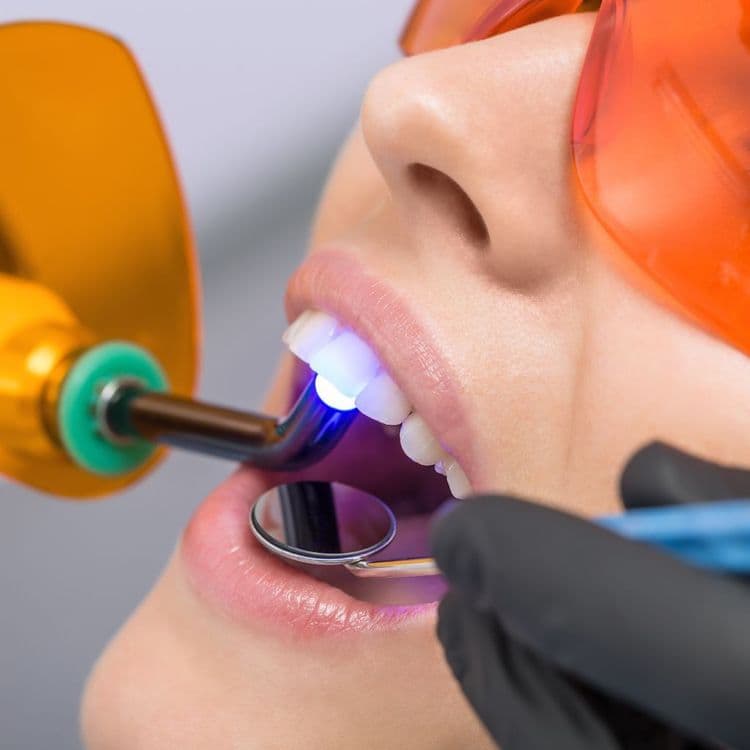
Professional teeth cleaning is a clinical procedure designed to remove accumulated plaque and hardened tartar that daily brushing and flossing cannot effectively address. Its role extends beyond maintaining aesthetic appeal, contributing greatly to the prevention of periodontal diseases and other oral health complications. Evaluating the true value of professional cleaning requires consideration of its clinical benefits, recommended frequency, and cost-effectiveness, factors that warrant thorough examination before determining its necessity in a thorough oral care regimen.
Understanding the Professional Teeth Cleaning Process
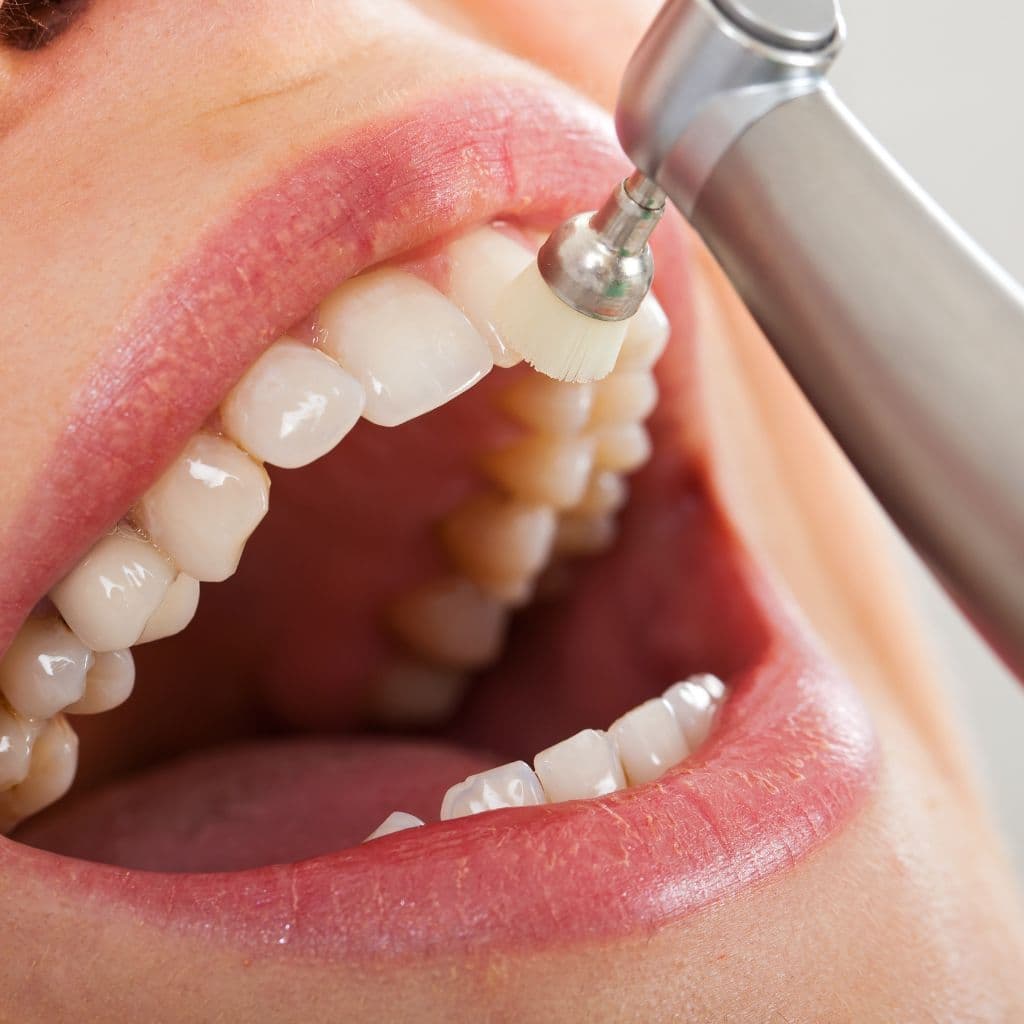
Although routine oral hygiene is essential, it cannot fully replicate the depth of a professional teeth cleaning. The professional process employs advanced teeth cleaning techniques that extend beyond daily brushing and flossing. Initially, a dental hygienist conducts a thorough oral examination, evaluating gum health and identifying areas requiring focused cleaning. Ultrasonic scalers and hand instruments are then used to remove plaque and calculus deposits inaccessible by routine methods. Polishing follows, utilizing prophylaxis paste to smooth tooth surfaces and reduce bacterial adhesion. Finally, fluoride treatment may be applied to strengthen enamel and prevent decay. This methodical approach underscores the dental hygiene importance in preventing periodontal disease and maintaining oral health. Professional cleaning serves as an indispensable adjunct to daily care, ensuring a level of cleanliness unattainable through personal hygiene alone.
How Professional Cleaning Removes Plaque and Tartar
Professional dental cleaning targets both plaque, a soft bacterial biofilm, and tartar, its mineralized and hardened form adhered to tooth surfaces. Specialized instruments such as ultrasonic scalers and hand scalers mechanically disrupt and remove these deposits, preventing further accumulation and potential periodontal damage. Understanding the distinct nature of plaque and tartar is essential to appreciating the necessity and effectiveness of these clinical techniques.
Plaque vs. Tartar
While plaque and tartar both contribute to oral health issues, their composition and removal methods differ considerably. Plaque formation begins as a soft, sticky biofilm composed of bacteria and saliva deposits. If untreated, it hardens into tartar through mineralization, leading to tartar buildup—a dense, calcified deposit firmly adhering to tooth surfaces.
- Plaque can be removed by regular brushing and flossing, effectively disrupting bacterial colonies.
- Tartar, being mineralized, cannot be eliminated by routine oral hygiene and requires professional intervention.
- Professional teeth cleaning employs specialized instruments to mechanically remove tartar, preventing periodontal disease and decay.
Understanding these distinctions emphasizes the necessity of professional cleaning for maintaining peak oral health by effectively addressing both plaque formation and tartar buildup.
Cleaning Techniques Explained
Removing plaque and tartar from tooth surfaces requires a combination of mechanical and ultrasonic techniques performed by dental professionals. Ultrasonic scalers emit high-frequency vibrations that disrupt and dislodge hardened tartar deposits while concurrently flushing the area with water to remove debris. Mechanical cleaning techniques involve the use of specialized dental tools such as hand scalers and curettes, which allow precise manual scraping of residual plaque and calculus from tooth surfaces and beneath the gumline. These dental tools are designed for ergonomic access to interproximal spaces and subgingival pockets, ensuring thorough debridement. The integration of these cleaning techniques effectively restores smooth enamel surfaces, reduces biofilm accumulation, and prevents periodontal disease progression. Professional application of these methods surpasses routine oral hygiene by targeting areas inaccessible to home care.
Benefits Beyond Aesthetics: Health Advantages of Cleaning
Although often associated primarily with cosmetic improvement, dental cleaning procedures provide substantial health benefits that extend well beyond aesthetics. Professional cleaning plays a critical role in mitigating negative health implications linked to poor oral hygiene. The following are key health advantages:
Prevention of Periodontal Disease: Removing plaque and tartar reduces inflammation and bacterial growth, thereby lowering the risk of gum disease, which is linked to systemic conditions such as cardiovascular disease.
Reduction of Oral Infections: Thorough cleaning eliminates bacterial reservoirs, decreasing the likelihood of oral infections that can exacerbate diabetes or respiratory illnesses.
Early Detection of Oral Pathologies: Routine professional cleanings facilitate early identification of abnormalities, enabling timely intervention and improving overall oral health outcomes.
These clinical benefits underscore the importance of dental cleaning as a preventive healthcare measure beyond mere cosmetic enhancement.
Comparing Professional Cleaning With Daily Oral Hygiene
Professional teeth cleaning surpasses daily oral hygiene in effectively removing plaque, particularly in hard-to-reach areas. This enhanced removal greatly reduces inflammation and promotes ideal gum health. Over time, routine professional cleanings contribute to the prevention of periodontal disease and other chronic oral conditions, offering long-term benefits unattainable through home care alone.
Effectiveness of Plaque Removal
Numerous studies demonstrate that daily oral hygiene routines, including brushing and flossing, effectively reduce plaque accumulation but rarely eliminate it entirely. Professional teeth cleaning offers a more thorough approach to plaque removal, especially in areas difficult to reach with routine care. Key differences include:
Comprehensive Access: Dental hygienists use specialized instruments to remove plaque from beneath the gumline and between teeth, areas often missed during daily oral hygiene.
Plaque Hardening: Over time, plaque mineralizes into calculus, which cannot be removed by brushing or flossing alone and requires professional scaling.
Efficiency: Professional cleaning markedly reduces overall plaque levels in a single session, whereas daily oral hygiene requires consistent diligence to maintain lower plaque accumulation.
Impact on Gum Health
How greatly does professional teeth cleaning influence gum health compared to daily oral hygiene practices? Professional teeth cleaning provides a more thorough removal of plaque and calculus than routine brushing and flossing, which are essential but often insufficient to fully eliminate bacterial biofilm. This enhanced debridement effectively reduces the risk of gum disease by targeting areas inaccessible to daily oral hygiene, such as subgingival pockets. Clinical evidence demonstrates that regular professional cleanings decrease gingival inflammation, bleeding on probing, and pocket depth, thereby improving overall periodontal status. While consistent daily oral hygiene is foundational for maintaining gum health, professional interventions serve as a critical adjunct by disrupting pathogenic biofilm and preventing progression of gum disease. In sum, professional cleaning considerably augments oral hygiene efforts, optimizing periodontal health beyond the capabilities of daily home care alone.
Long-term Oral Benefits
Beyond immediate improvements in gum health, the long-term oral benefits of professional teeth cleaning reveal significant advantages when compared to daily oral hygiene alone. Clinical evidence highlights that professional cleaning addresses plaque and tartar buildup inaccessible through routine brushing and flossing, thereby mitigating risks associated with periodontal disease.
Key long-term effects of professional cleaning include:
- Enhanced removal of subgingival calculus, vital for preventing chronic inflammation.
- Reduction in dental caries incidence through thorough polishing and fluoride application.
- Early detection of oral pathologies by dental professionals during routine cleanings.
While daily oral hygiene maintains baseline oral health, professional cleanings provide a thorough approach essential for sustaining long-term dental integrity and preventing progressive oral diseases. This underscores professional cleaning’s critical role within an effective oral hygiene regimen.
The Role of Professional Cleaning in Preventing Gum Disease
Although daily oral hygiene practices are essential, they are often insufficient to fully prevent the onset of gum disease. Professional teeth cleaning plays a critical role in the early detection and removal of plaque and calculus deposits that regular brushing and flossing may not eliminate. These deposits harbor pathogenic bacteria responsible for initiating inflammation and periodontal tissue destruction. Dental professionals utilize specialized instruments to debride subgingival areas, reducing bacterial load and mitigating the progression of gingivitis to periodontitis. Additionally, professional cleaning facilitates the identification of early clinical signs of gum disease, enabling timely intervention. Therefore, while oral hygiene remains foundational, professional cleaning is a necessary adjunctive measure to effectively prevent gum disease and maintain periodontal health over time.
Frequency Recommendations for Professional Teeth Cleaning
The effectiveness of professional teeth cleaning in maintaining periodontal health depends greatly on the frequency at which it is performed. Dental recommendations emphasize tailoring cleaning frequency to individual risk factors and oral health status. Generally, three primary guidelines exist:
- Biannual cleanings: Recommended for patients with good oral hygiene and low risk of periodontal disease, ensuring plaque and tartar removal twice yearly.
- Quarterly cleanings: Advised for individuals with a history of gum disease, diabetes, or smokers, requiring more frequent intervention to prevent progression.
- Customized intervals: For patients with specific conditions or susceptibility, dentists may recommend intervals varying from every 3 to 6 months based on clinical evaluation.
Adhering to these cleaning frequency guidelines optimizes periodontal maintenance, reduces inflammation, and supports long-term oral health.
Cost Considerations and Insurance Coverage
How do cost factors influence decisions regarding professional teeth cleaning? A thorough cost analysis reveals that prices vary based on geographic location, dental practice, and the complexity of the cleaning procedure. Typically, costs range from $75 to $200 per session. Insurance options greatly impact patient decisions; many dental insurance plans partially cover routine cleanings, reducing out-of-pocket expenses. However, coverage limits and frequency restrictions must be carefully reviewed. Patients without insurance may find costs prohibitive, potentially delaying necessary cleanings. Additionally, some plans distinguish between preventative and periodontal cleanings, affecting reimbursement rates. A clinical evaluation of these financial variables is essential for informed decision-making, balancing oral health benefits against economic considerations to optimize patient outcomes and adherence to recommended dental care schedules.
Signs You Should Schedule a Professional Cleaning Soon
Financial considerations often guide the timing of professional teeth cleanings, yet clinical indicators play a pivotal role in determining when such care becomes necessary. Early warning signs and dental health indicators provide critical guidance for scheduling cleanings. Key signs include:
- Persistent gum inflammation or bleeding during brushing, signaling potential gingivitis.
- Noticeable plaque buildup or tartar deposits visible along the gumline, which cannot be removed by routine home care.
- Increased tooth sensitivity or mild discomfort, potentially indicating enamel erosion or early decay.
These indicators warrant prompt professional evaluation to prevent progression to more severe periodontal disease or caries. Timely intervention through professional cleaning not only preserves oral health but also mitigates the risk of systemic complications associated with chronic dental infections. Recognizing these early warning signs guarantees ideal timing for care, maximizing both clinical outcomes and cost-effectiveness.
Frequently Asked Questions
Can Professional Teeth Cleaning Whiten Teeth Permanently?
Professional teeth cleaning does not whiten teeth permanently; it removes surface stains and plaque. Teeth whitening results depend on cleaning frequency and maintenance, while intrinsic discoloration requires additional bleaching treatments for sustained clinical improvement.
Is Professional Teeth Cleaning Painful for Sensitive Teeth?
Professional teeth cleaning typically causes minimal discomfort, even for sensitive teeth. Sensitivity levels vary individually, and dental professionals adjust cleaning techniques accordingly, employing gentler methods and specialized instruments to mitigate pain and protect sensitive oral tissues.
Are There Any Risks or Side Effects From Professional Cleaning?
Potential complications from professional cleaning are minimal but can include gum irritation or bleeding. Post cleaning sensitivity is common, typically temporary, resulting from enamel exposure or inflammation, and usually resolves without intervention within a few days.
Can Professional Cleaning Help With Bad Breath Immediately?
Professional cleaning can immediately reduce bad breath by removing plaque and tartar, primary causes of halitosis. Combined with consistent dental hygiene tips, such as brushing and flossing, it effectively manages oral odor clinically and thoroughly.
Do Children Benefit From Professional Teeth Cleaning as Adults Do?
Children’s dental health greatly benefits from professional teeth cleaning, promoting plaque removal and cavity prevention. These interventions provide long term benefits by establishing healthy oral habits, reducing periodontal disease risk, and supporting ideal dental development into adulthood.