

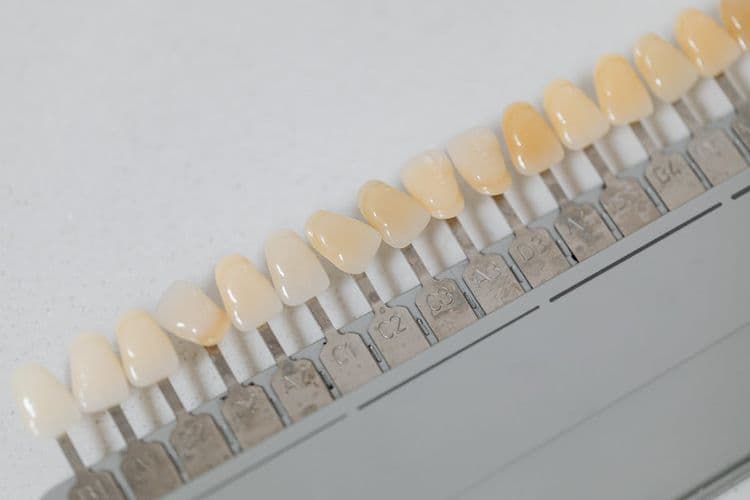
In the domain of restorative dentistry, patients often find themselves weighing the benefits and drawbacks of veneers and dentures. While both options serve to enhance the appearance and functionality of teeth, they come with distinct processes, advantages, and disadvantages. As we navigate the intricacies of these dental solutions, let us consider the implications of choosing between veneers - a permanent, cosmetic adjustment, and dentures - removable replacements. This journey through the complexities of dentistry may well illuminate the path towards your perfect smile.
Understanding Dental Veneers
Although they may seem like a modern invention, dental veneers have been revolutionizing smiles for decades. These ultra-thin shells of tooth-colored materials are custom-made to cover the front surface of teeth, improving their appearance. The veneers materials, typically porcelain or resin composite, are critical in determining the veneers’ aesthetics, durability, and longevity. Porcelain veneers resist stains better than resin veneers and better mimic the light reflecting properties of natural teeth. However, they are more brittle and may not be suitable for individuals with habits such as nail-biting or teeth grinding. Veneer longevity varies, but with proper care and maintenance, they can last between 7 to 15 years. Consequently, understanding the materials and their impact on veneer longevity is essential for an informed decision.
The Process of Getting Veneers
Before opting for dental veneers, it is crucial to understand the process involved. The journey begins with a detailed patient consultation, where your dentist will assess your oral health, discuss expectations, and determine if veneers are a suitable solution. Following the consultation, veneer preparation is the next step. This involves removing a thin layer of enamel from your teeth to make room for the veneers. Next, an impression of your teeth is taken to create veneers that accurately fit your mouth. Temporary veneers may be placed while the permanent ones are being crafted. Once ready, the dentist will bond the veneers to your teeth, ensuring a natural and aesthetically pleasing result. This process exemplifies a combination of artistry, precision, and dental expertise.
Pros and Cons of Veneers
Veneers, a popular dental aesthetic solution, come with their own set of advantages and disadvantages. An in-depth examination of these aspects is essential to make an informed decision about choosing veneers. Let us discuss the benefits and potential drawbacks of veneers to provide a thorough understanding of this dental procedure.
Understanding Veneers
Dental aesthetics is an area where veneers shine, providing a viable option for those seeking to enhance their smiles. Veneers are ultra-thin, custom-made shells that adhere to the front surface of teeth, improving the appearance of color, shape, size, or length. There are two main types of veneers: porcelain and composite resin. Porcelain veneers, crafted from high-quality ceramic, are renowned for their durability and natural appearance. Composite resin veneers, on the other hand, are less costly and require less tooth preparation, but they don’t last as long. The choice of veneer material largely depends on the patient’s specific needs and budget. While veneers can greatly improve one’s smile, they are not reversible and require a lifelong commitment.
Benefits of Veneers
When considering aesthetic dental solutions, it’s essential to weigh the benefits and drawbacks of each available option. Veneers stand out as a popular choice for aesthetic enhancement and a long lasting solution. A primary advantage is their natural appearance, providing a seamless, attractive smile that’s indistinguishable from real teeth. Veneers are also stain-resistant, ensuring your smile stays brighter for longer. In addition, they’re less invasive than other dental procedures, often requiring less enamel removal. This makes them a more comfortable, less painful option. Furthermore, veneers are custom-made to fit your teeth, providing a solution tailored to your needs. Finally, with good care, they offer a long-lasting solution, often lasting up to 15 years, making them a worthwhile investment for those seeking an enhanced, confident smile.
Potential Veneers Drawbacks
Despite the numerous advantages, it’s also important to carefully consider the potential drawbacks of veneers.
- Durability concerns: Veneers are not invulnerable and may chip or crack over time, necessitating replacement.
- Aesthetic issues: If not properly matched to the natural tooth color, veneers can look off-puttingly unnatural.
- Cost: Veneers are often more expensive than other dental restoration methods, making them less accessible for some patients.
- Irreversible procedure: The process of fitting veneers involves removing some of the tooth enamel, a permanent alteration.
- Sensitivity: After the procedure, some patients might experience increased tooth sensitivity, especially to hot or cold foods and drinks.
Considering these potential drawbacks, patients should consult their dentists to make a well-informed decision.
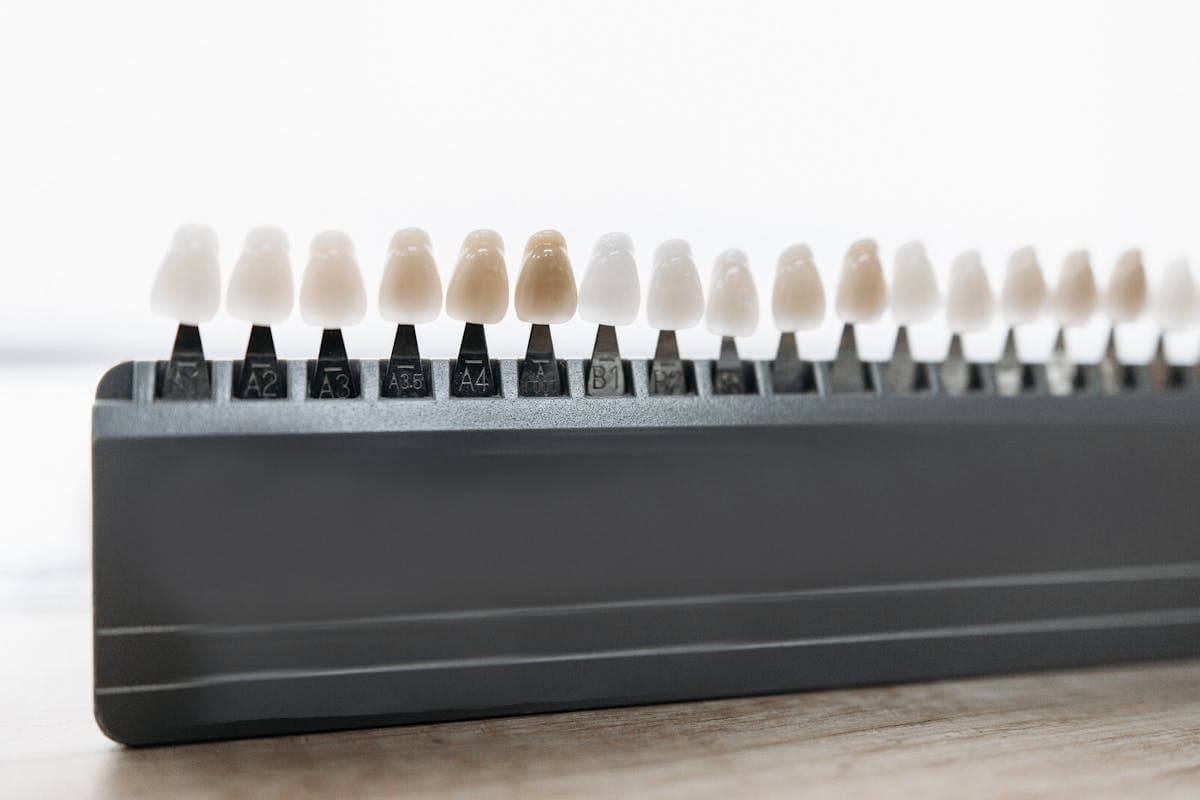
Comprehensive Overview of Dentures
Understanding the world of dentures requires a thorough exploration into its intricacies. Dentures, a prosthetic device replacing missing teeth, come in various types tailored to individual needs. Complete dentures are used when all teeth are missing, while partial dentures are appropriate when some natural teeth remain. Overdentures, fitted over the roots of natural teeth, and implant-supported dentures, anchored onto dental implants, provide increased stability.
Denture care is pivotal in maintaining oral health and longevity of the device. This includes daily cleaning to remove food and plaque, regular check-ups for fitting adjustments, and avoiding certain behaviors like using toothpicks which can damage dentures. With proper selection and care, dentures can restore aesthetics and functionality to a person’s smile.
Steps in Acquiring Dentures
Acquiring dentures involves a meticulous process which begins with a precise fitting procedure. This guarantees a comfortable and functional fit to enhance the patient’s oral health and overall quality of life. Additionally, a thorough understanding of proper denture maintenance is critical to prolong the lifespan of the dental prosthetics and maintain peak oral hygiene.
Denture Fitting Process
Although one might initially feel apprehensive about the process of acquiring dentures, it is a straightforward and systematic procedure that’s tailored to each individual’s needs. This process involves understanding denture types and their fitting techniques.
- Consultation: An initial meeting with the dentist to discuss denture options based on your specific needs.
- Impressions: The dentist takes impressions of your mouth for the creation of a custom denture.
- Fittings: After the dentures are made, you’ll have appointments for fitting adjustments.
- Follow-ups: Regular follow-ups guarantee the dentures function properly and comfortably.
- Refitting: Over time, your mouth shape changes requiring the dentures to be periodically adjusted or replaced.
This procedure guarantees you get the best-fitting and most comfortable dentures to enhance your quality of life.
Maintenance of Dentures
Maintaining dentures requires a dedicated regimen to guarantee their longevity and functionality. Regular denture cleaning is critical for maintaining oral health and preventing discoloration or plaque build-up. A soft denture brush should be used daily along with a non-abrasive denture cleaner, avoiding typical toothpaste which can be excessively harsh.
Equally important is the denture care during the night. Dentures should be soaked in a denture cleaning solution to keep them moist and avoid warping. It’s also the perfect opportunity for your gums to rest.
Advantages and Disadvantages of Dentures
Dentures, a common solution for missing teeth, come with their own unique set of advantages and disadvantages. These can vary depending on denture types and individual needs.
- Advantages:
- Dentures are typically less expensive than other tooth replacement options.
- They can be customized to fit comfortably in the mouth.
- Dentures can improve facial appearance by providing support for lips and cheeks.
- They help with eating and speaking when natural teeth are absent.
- Disadvantages:
- Certain denture types require daily care, including thorough cleaning.
- Dentures can cause discomfort or mouth sores.
- They may not feel as natural as actual teeth.
- There’s potential for slippage or clicking noises during talking or eating.
- Over time, adjustments or replacements may be necessary as the mouth naturally changes.
Veneers Vs Dentures: Cost Comparison
When considering tooth replacement options, the cost is a significant factor for many patients. A comparison between veneers and dentures reveals differences in initial expenses and long-term financial implications. Veneers, although initially more costly, offer longevity. This investment can span several decades with proper care, thereby distributing the cost over a longer period. Veneer longevity, combined with their aesthetic appeal and functionality, may justify the higher upfront cost for some patients.
Conversely, dentures present a more affordable initial expense. Their affordability can provide immediate relief for patients needing numerous teeth replaced. However, dentures require periodic adjustments and replacements, which could increase their lifetime cost. Carefully considering these cost aspects can guide informed decisions about tooth replacement options.
Making The Right Choice: Veneers or Dentures?
How does one determine the best choice between veneers and dentures? The answer is rooted in a combination of patient preferences and aesthetic considerations.
- Patient Preferences: This may involve the desire for a permanent solution, the need for easy maintenance, or the comfort level of the treatment option.
- Aesthetic Considerations: The look and feel of the solution can greatly affect patient satisfaction. Veneers often provide a more natural appearance.
- Lifestyle: A patient’s daily routine, dietary habits, and social life can influence the choice.
- Oral Health: The patient’s current oral health status, including the health of the gums and remaining teeth, can dictate the suitable option.
- Financial Factors: The cost of treatment, insurance coverage, and the long-term maintenance costs can also influence the decision.
Frequently Asked Questions
Can You Eat Normally With Veneers or Dentures?
Eating habits can be maintained with both veneers and dentures, though comfort levels may vary initially. With proper fitting and adjustment, both options allow for a fairly normal eating experience over time.
Can Veneers and Dentures Be Whitened Like Natural Teeth?
While natural teeth can undergo various whitening methods, veneers and dentures cannot. Their color durability is determined at creation, making them resistant to typical teeth whitening processes, and maintain their color over time.
How Long Will Veneers or Dentures Typically Last?
The longevity of dental prosthetics varies. Typically, veneers can last 10-15 years, while dentures may need replacement every 5-7 years. Longevity factors include oral hygiene, wear and tear, and the individual’s overall health.
Are There Any Dietary Restrictions With Veneers or Dentures?
Dietary restrictions exist for both veneers and dentures due to the bonding materials used. Adjustments include avoiding hard, sticky foods to prevent dislodgement or damage. Regular check-ups maintain ideal functioning and longevity of these dental solutions.
What Is the Maintenance Process for Veneers and Dentures?
The maintenance process involves regular cleaning techniques to prevent staining and bacteria buildup. For damage, repair options are available, although it’s best to consult with a dental professional for specific care instructions.