


Crossbite is a dental condition classified into several distinct types, including anterior, posterior, unilateral, and bilateral crossbites. Each type involves a specific misalignment of teeth, impacting oral function and aesthetics. These variations can arise from genetic predispositions or environmental influences, affecting both children and adults. Understanding the nuances of each type is essential for determining appropriate orthodontic interventions. With this foundation, one can explore the implications and treatment strategies for crossbite.
Understanding Anterior Crossbite
An anterior crossbite occurs when the maxillary incisors are positioned lingually relative to the mandibular incisors, often resulting from discrepancies in jaw alignment or dental arch development. This malocclusion is primarily characterized by anterior alignment issues, where the lower teeth extend beyond the upper front teeth. Such misalignment poses significant aesthetic concerns, affecting the facial profile and smile symmetry. Clinically, it can lead to abnormal wear patterns on the dentition and potential periodontal complications. The etiology of an anterior crossbite may include genetic predisposition, prolonged thumb sucking, or anomalies in tooth eruption patterns. Effective intervention typically involves orthodontic treatment aimed at correcting the anterior alignment, thereby addressing both functional and aesthetic concerns to restore proper occlusal relationships.
Exploring Posterior Crossbite
Posterior crossbite is a dental malocclusion characterized by the misalignment of the upper and lower teeth in the back of the mouth. This condition often arises from genetic factors, abnormal tooth eruption, or prolonged thumb sucking. Treatment options include orthodontic appliances such as palatal expanders and braces to correct the occlusal discrepancy and restore functional bite alignment.
Causes of Posterior Crossbite
A posterior crossbite, a type of malocclusion where the upper teeth fall inside the lower teeth on one or both sides when the jaws are closed, can arise from a combination of genetic and environmental factors. Genetic factors play a significant role in this dental misalignment. Inherited traits such as jaw size discrepancies, palate width, and tooth size can predispose individuals to develop posterior crossbite. Additionally, dental misalignment can result from early loss of primary teeth, prolonged thumb sucking, or improper swallowing habits, which may exert pressure on the dental arches. These environmental influences can exacerbate the underlying genetic predispositions, leading to an imbalance in dental occlusion. Understanding these causes is vital for accurate diagnosis and subsequent intervention strategies.
Treatment Options Available
Various treatment modalities are available for addressing posterior crossbite, aiming to correct the dental misalignment and restore functional occlusion. Dental appliances, such as palatal expanders, are often employed to gradually widen the upper jaw, consequently alleviating the crossbite condition. These appliances can be either removable or fixed, depending on the specific requirements of the case. Orthodontic braces may also be utilized to achieve precise tooth alignment and occlusal correction. In more severe instances where dental appliances alone prove insufficient, surgical options may be considered. Surgical procedures, such as maxillary expansion surgery, are implemented to achieve skeletal correction and are typically indicated for adult patients with fully developed bone structures. A multidisciplinary approach involving orthodontists and oral surgeons guarantees ideal treatment outcomes.
Unilateral Crossbite Explained
Unilateral crossbite, a dental malocclusion, occurs when the upper teeth on one side of the mouth do not properly align with the lower teeth. The etiology may involve genetic predisposition, developmental anomalies, or prolonged habits such as thumb sucking, necessitating a thorough diagnostic process using clinical examination and imaging techniques. Treatment options range from orthodontic interventions, such as braces and expanders, to more complex surgical procedures if required.
Causes and Risk Factors
The etiology of a unilateral crossbite involves a multifactorial interplay of genetic, developmental, and environmental factors. Genetic factors may predispose individuals to craniofacial structural anomalies, influencing occlusal relationships. Such predispositions can manifest as mandibular or maxillary discrepancies, affecting dental arch alignment. Environmental influences also play a critical role by exacerbating or mitigating these conditions. For instance, prolonged thumb sucking, atypical swallowing patterns, or airway obstruction due to enlarged adenoids can contribute to the development of a unilateral crossbite. In addition, developmental anomalies such as delayed dental eruption or early loss of deciduous teeth may disrupt normal occlusal development. The interplay of these factors underscores the complexity of unilateral crossbite pathogenesis, necessitating an individualized approach to management and prevention.
Diagnosis and Detection
Identification of a unilateral crossbite requires a thorough clinical examination and diagnostic imaging. During a dental examination, the clinician assesses occlusal relationships, noting any deviation of the dental midline or asymmetry in jaw alignment. Palpation of the temporomandibular joint may reveal dysfunction or discomfort indicative of a crossbite. Visual inspection is supplemented by radiographic analysis, which provides detailed imagery of the dental arches and skeletal structures. Panoramic and cephalometric radiographs are particularly useful in evaluating the extent and nature of the crossbite. Cone-beam computed tomography (CBCT) may be employed for three-dimensional assessment. This detailed diagnostic approach guarantees accurate identification of the unilateral crossbite, differentiating it from bilateral or other malocclusions, and aids in formulating an appropriate clinical management plan.
Treatment Options Available
Addressing a unilateral crossbite involves a range of treatment modalities tailored to the specific etiology and severity of the condition. Initial management often employs dental appliances, such as expanders or braces, designed to adjust the position of the teeth and realign the bite. These devices are typically effective in pediatric patients, capitalizing on growth potential to facilitate correction. In cases where the crossbite is more pronounced or associated with skeletal discrepancies, surgical intervention may be indicated. Procedures such as maxillary expansion or mandibular repositioning aim to correct the underlying structural imbalances. The choice between non-surgical and surgical approaches depends on factors including patient age, bone development, and the extent of the malocclusion, ensuring an individualized treatment plan for ideal outcomes.
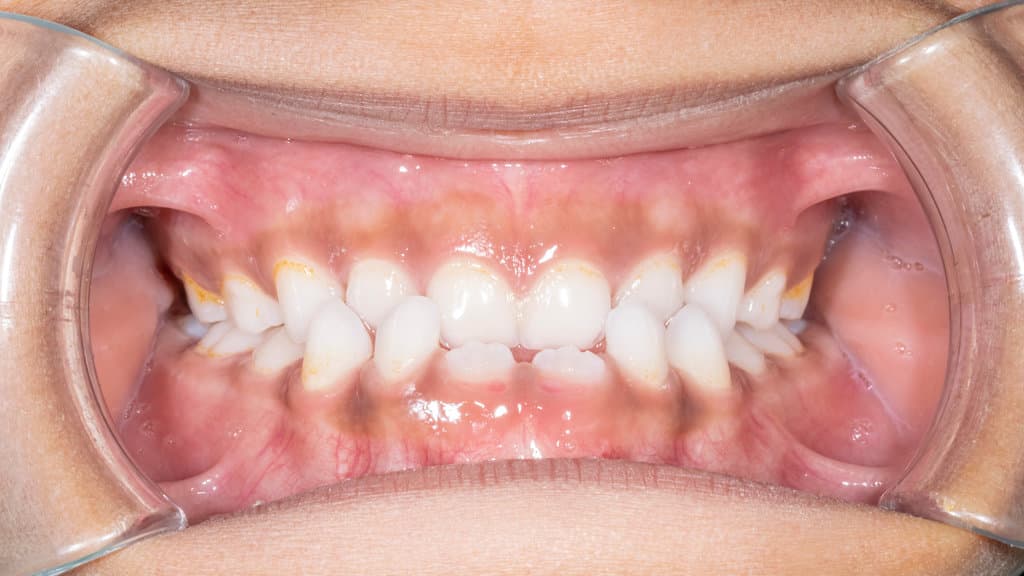
Bilateral Crossbite Overview
Although often overlooked in routine dental examinations, a bilateral crossbite presents a significant orthodontic concern characterized by the misalignment of the upper and lower teeth on both sides of the mouth. Clinically, bilateral crossbite symptoms may manifest as difficulty in chewing, asymmetric facial appearance, and potential temporomandibular joint discomfort. These symptoms warrant precise diagnostic evaluation and tailored intervention. Effective bilateral crossbite treatment often involves the use of orthodontic appliances such as expanders to correct dental arch width discrepancies, facilitating proper occlusion. Early intervention in childhood can optimize outcomes, while treatment in adults may require more complex orthodontic strategies. Regular monitoring by an orthodontic specialist is vital to guarantee successful alignment and to prevent complications associated with untreated bilateral crossbites.
Causes of Crossbite in Children
Crossbite in children can arise from a confluence of genetic and environmental factors. Genetic factors play a significant role in the etiology of dental misalignments, with hereditary traits influencing jaw structure and tooth positioning. Variations in craniofacial morphology, such as narrow maxillary arches, can be inherited, predisposing children to crossbite conditions. Environmental influences further exacerbate these predispositions. Prolonged habits such as thumb sucking, pacifier use, and mouth breathing during vital developmental stages can impede normal maxillary growth, leading to improper occlusion. Additionally, early loss of primary teeth due to trauma or decay may disrupt the natural eruption sequence of permanent teeth, increasing the likelihood of crossbite formation. Collectively, these genetic and environmental elements dictate the prevalence of crossbite in pediatric populations.
Causes of Crossbite in Adults
While crossbite in children often arises from a mix of genetic and environmental factors, adult cases frequently stem from different etiologies, reflecting a broader range of influences acquired over time. These include prolonged deleterious oral habits, such as bruxism and tongue thrusting, which can exert continuous pressure on dental arches, leading to misalignment. Additionally, the loss of teeth due to periodontal disease or trauma can result in shifting of adjacent teeth, further contributing to crossbite development. Temporomandibular joint disorders may also play a role by altering mandibular positioning. The orthodontic implications of these factors are significant, as they can complicate treatment planning. Furthermore, crossbites in adults can adversely affect dental aesthetics, impacting both the functional and psychological aspects of one’s oral health.
Common Symptoms of Crossbite
Many individuals with crossbite exhibit a range of recognizable symptoms that can vary in severity. A primary indicator is improper jaw alignment, which may manifest as an asymmetrical facial appearance. Patients often report discomfort or pain in the jaw, particularly when chewing. This misalignment can lead to excessive tooth wear, impacting overall dental health. In addition, crossbite is frequently associated with a clicking or popping sound in the temporomandibular joint (TMJ) during jaw movement. Chronic headaches and muscle tension in the facial and neck regions are common due to the stress placed on the masticatory system. Moreover, individuals may experience difficulties with biting and chewing, which can hinder effective oral function and contribute to further complications in dental health if left unaddressed.
Orthodontic Treatment Options for Crossbite
Addressing crossbite effectively requires a thorough understanding of the various orthodontic treatment options available. Practitioners often consider Invisalign options and traditional braces to rectify the malocclusion. Invisalign options employ a series of custom-made clear aligners that gradually shift teeth into the desired position, offering a less conspicuous alternative. This method is particularly beneficial for mild to moderate cases due to its adaptability and aesthetic appeal. In contrast, braces provide a more robust solution for severe crossbite cases, utilizing brackets and wires to exert precise pressure on teeth. Through a braces comparison, clinicians can evaluate the efficiency of fixed appliances in achieving ideal occlusal alignment. Both treatment modalities require regular monitoring to guarantee effective progression and successful outcomes in correcting the crossbite.
Long-term Effects of Untreated Crossbite
If left untreated, crossbite can lead to a multitude of long-term complications impacting both dental and overall health. The untreated impact may manifest as abnormal dental wear, temporomandibular joint (TMJ) disorders, and compromised mastication. Such long term consequences can exacerbate misalignment, leading to periodontal disease due to improper cleaning and increased plaque accumulation. Additionally, chronic jaw strain from an untreated crossbite often results in headaches and facial pain. Over time, the malocclusion might contribute to altered facial aesthetics, potentially affecting psychological well-being. Speech difficulties can also arise, given the improper positioning of teeth. Furthermore, the imbalance in occlusal forces may cause teeth to shift, further complicating orthodontic correction. Extensive evaluation and timely intervention are therefore critical to mitigate these adverse outcomes.
Frequently Asked Questions
Can Crossbite Lead to Speech Difficulties?
Crossbite can contribute to speech clarity challenges, potentially leading to articulation issues. Malocclusion affects tongue placement and dental arch alignment, which are essential for producing clear speech sounds, consequently impacting effective verbal communication, especially in developing children.
How Does Crossbite Affect Jaw Alignment?
Crossbite can lead to jaw dysfunction by causing misalignment, which affects dental health. This misalignment may result in uneven tooth wear, temporomandibular joint disorders, and compromised occlusion, necessitating correction for ideal oral function and health.
Are There Home Remedies for Managing Crossbite Pain?
The current question addresses home-based interventions for crossbite discomfort. Natural remedies for pain relief include jaw exercises, warm compresses, and stress reduction techniques. These approaches may alleviate symptoms but do not replace professional dental treatment or evaluation.
Can Crossbite Be Corrected Without Braces?
Crossbite correction without braces is feasible through the use of clear aligners. These orthodontic treatments gradually shift teeth into proper alignment, offering a less invasive alternative to traditional braces for addressing mild to moderate crossbite cases.
What Role Does Genetics Play in Crossbite Development?
Genetic factors greatly influence crossbite development, with family history being an essential determinant. Variations in jaw size, tooth alignment, and craniofacial structure often stem from inherited traits, indicating genetics’ considerable role in this dental condition.