

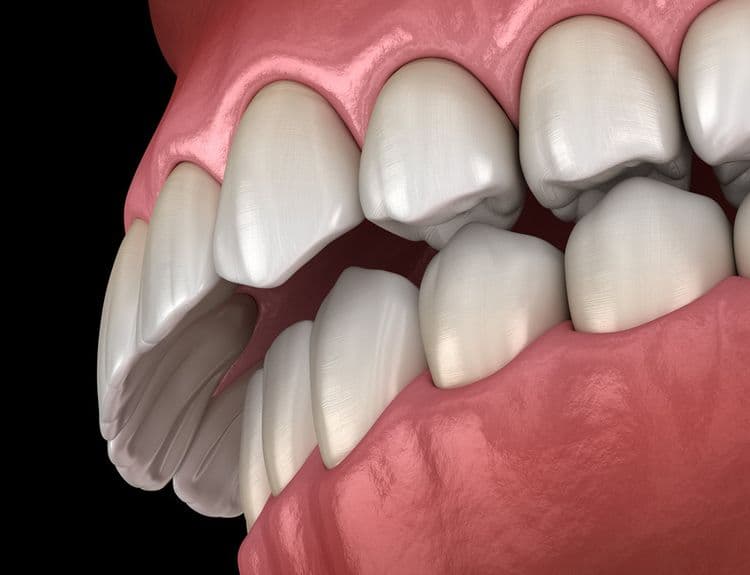
Correcting an overbite without resorting to traditional braces is indeed achievable through various modern orthodontic techniques. Clear aligners, dental veneers, and functional appliances offer viable solutions, each with distinct advantages depending on the severity and nature of the overbite. Understanding how these treatments work and their suitability for individual cases is essential. Consulting with an orthodontist guarantees a personalized approach, addressing both functional and aesthetic concerns effectively. Explore these methods for an extensive understanding of non-brace options.
Understanding Overbites: Causes and Concerns
An overbite, clinically known as a malocclusion, occurs when the upper teeth considerably overlap the lower teeth. There are primarily two overbite types: dental and skeletal. A dental overbite involves improper positioning of the teeth, while a skeletal overbite results from disproportionate jaw development. Both types have significant dental implications. Dental overbites can lead to enamel wear, tooth decay, and temporomandibular joint disorders due to misaligned bite forces. Skeletal overbites may cause speech impediments and aesthetic concerns, affecting the individual’s facial profile. Understanding these overbite types is essential for determining appropriate treatment plans. Early detection and intervention can mitigate adverse effects, preserving dental health and function while preventing further complications associated with significant overbite conditions.
The Role of Clear Aligners in Overbite Correction
Addressing overbite correction without traditional braces often involves the use of clear aligners, which have gained substantial traction in orthodontics. The clear aligner effectiveness in treating overbites is attributed to their ability to apply consistent, gentle pressure over time, guiding teeth into their desired positions. This method is preferred for its aesthetic appeal and comfort, as aligners are virtually invisible and removable, facilitating oral hygiene.
The aligner treatment process typically begins with a thorough assessment, including digital impressions and x-rays, to design a personalized treatment plan. Patients progress through a series of custom-fitted aligners that incrementally adjust tooth alignment. This precise, controlled movement is monitored by orthodontic professionals to guarantee ideal results. Clear aligners provide a viable, effective alternative to conventional braces for overbite correction.
Exploring Dental Veneers as a Cosmetic Solution
Dental veneers present a viable cosmetic solution for addressing overbite issues, particularly when structural correction is not a primary concern. The procedure involves the precise bonding of custom-fabricated shells to the front surfaces of teeth, which can enhance alignment and aesthetic appearance. While veneers offer immediate visual improvements, careful consideration of factors such as durability, cost, and the potential need for future replacement is essential for informed decision-making.
Veneers for Overbite Correction
While traditional orthodontic treatments are typically employed for correcting dental misalignments, veneers present a viable cosmetic option for addressing overbites. Veneers are thin, custom-made shells crafted from materials such as porcelain or composite resin. These veneers materials are selected for their durability, aesthetic appeal, and ability to mimic the natural appearance of teeth. By bonding these veneers to the front surface of teeth, they can effectively alter tooth shape and alignment, creating the illusion of a corrected bite. Veneer longevity is an important consideration; with proper care, they can last between 10 to 15 years. Veneers do not alter the underlying dental structure but offer an immediate aesthetic improvement, making them suitable for individuals seeking a non-invasive overbite solution.
Procedure and Application Process
To initiate the procedure of applying dental veneers for overbite correction, the dentist first conducts a thorough evaluation of the patient’s oral health to determine suitability for veneers. This initial assessment is critical to identify any underlying dental issues that may affect treatment outcomes. Once deemed suitable, the dentist meticulously plans the veneer application, considering the severity of the overbite and desired aesthetic results. Veneers are then custom-fabricated to fit the patient’s teeth, providing a uniform appearance while subtly adjusting the bite alignment. This cosmetic approach serves as an orthodontic alternative, offering a non-invasive option among overbite treatments. The precise bonding process guarantees the veneers adhere securely, enhancing both functionality and appearance, thereby providing a viable solution for mild overbite corrections.
Benefits and Considerations
Although dental veneers are primarily known for their aesthetic benefits, they also offer functional advantages when used as a solution for mild overbite corrections. Veneers can provide an immediate alternative therapy by reshaping teeth, subtly adjusting their alignment. This can enhance dental health by distributing bite forces more evenly, potentially reducing wear on specific teeth. However, veneers are not suitable for severe misalignments and are best considered for patients seeking cosmetic improvements alongside minor functional adjustments. The procedure is relatively non-invasive compared to traditional orthodontics, offering quicker results. Nevertheless, patients should consider the long-term implications, including the irreversible nature of tooth enamel removal and the need for eventual replacement. Consulting with a dental professional is essential to evaluate suitability and benefits.
The Impact of Jaw Exercises and Lifestyle Adjustments
Jaw exercises and lifestyle adjustments greatly influence the management of overbites, offering an alternative to traditional orthodontic treatments like braces. Specific jaw exercises can strengthen the muscles around the jaw, reducing the severity of an overbite by promoting proper jaw alignment. Techniques such as gentle stretching and controlled movement can encourage muscle development, enhancing the jaw’s structural balance. Concurrently, lifestyle modifications play a critical role. Avoiding habits that exacerbate overbite conditions, such as thumb sucking or prolonged pacifier use in children, can prevent further misalignment. Additionally, maintaining a healthy diet to support bone health and practicing good posture contributes to ideal jaw positioning. Together, these non-invasive approaches provide a viable option for managing mild to moderate overbites effectively.
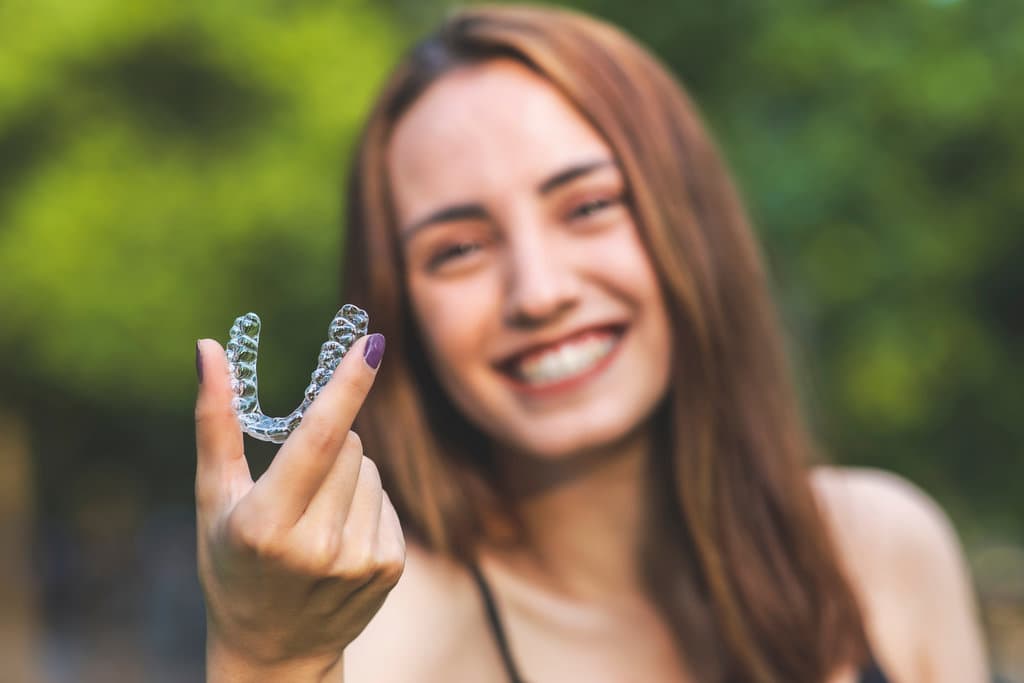
Invisalign: A Popular Alternative to Traditional Braces
Invisalign offers a discreet and effective alternative to traditional braces for correcting overbites, utilizing clear aligners that provide aesthetic and comfort advantages. The custom-fitted aligners gradually shift teeth into the desired alignment, often with a shorter treatment duration compared to conventional methods. Patients benefit from the ability to remove the aligners for eating and oral hygiene, enhancing overall treatment convenience and compliance.
Clear Aligner Benefits
Why do many people consider clear aligners, such as Invisalign, a favored alternative to traditional braces? Clear aligner technology offers a discreet approach to orthodontic correction, appealing to individuals conscious of aesthetics. This system utilizes a series of custom-made, transparent aligners that progressively adjust dental positioning. Each aligner is precisely engineered to exert targeted force, ensuring effective treatment of overbites. Unlike conventional braces, clear aligners are removable, facilitating oral hygiene and permitting unrestricted dietary choices. Additionally, patient compliance is enhanced due to their comfort and minimal interference in daily life. The treatment effectiveness of clear aligners in correcting mild to moderate overbites has been substantiated by various clinical studies, establishing them as a viable alternative to traditional orthodontic solutions.
Treatment Duration Insights
How long does it typically take to correct an overbite using Invisalign? The treatment timelines for Invisalign can vary considerably based on individual patient experiences and the severity of the overbite. On average, patients may expect correction within 12 to 18 months. However, some cases might require as little as six months, while others extend beyond two years. Invisalign offers the advantage of customizable treatment plans, allowing orthodontists to tailor aligner changes every two weeks according to progress. Patient compliance plays a critical role in adhering to the treatment timelines, as wearing the aligners for the recommended 20-22 hours daily is essential for efficacy. Regular monitoring by orthodontic professionals guarantees that adjustments are made promptly, optimizing treatment outcomes.
Surgical Options for Severe Overbite Cases
In cases where an overbite is particularly severe, and non-surgical methods prove insufficient, surgical intervention emerges as a viable solution. A thorough surgical evaluation is essential to determine the appropriate course of action. This evaluation involves detailed imaging and diagnostic assessments to gauge the extent of misalignment. Jaw realignment surgery, known as orthognathic surgery, is typically recommended for correcting significant overbites. It involves repositioning the jawbones to achieve proper alignment and restore functional balance. The procedure is often performed by an oral and maxillofacial surgeon in conjunction with orthodontic treatments to guarantee ideal results. Post-surgery, patients may require a period of recovery and follow-up care to monitor healing and adjustment. Surgical intervention therefore provides a definitive approach for addressing complex overbite cases.
The Benefits of Retainers in Maintaining Alignment
While braces are often associated with the correction of dental misalignments, retainers play an essential role in maintaining alignment post-treatment. Retainers are designed to stabilize teeth in their new positions, preventing relapse. Various retainer types, such as fixed and removable options, cater to different patient needs. Fixed retainers, usually bonded to the lingual surface of teeth, offer continuous support, minimizing patient compliance issues. In contrast, removable retainers, like Hawley or clear aligner types, provide flexibility and ease of use but require diligent adherence to wearing schedules for effective alignment maintenance. The choice between these retainer types depends on factors such as patient age, dental condition, and lifestyle. Overall, retainers are indispensable in preserving the results achieved through orthodontic interventions.
Functional Appliances: How They Work
Functional appliances effectively address dental and skeletal discrepancies by guiding jaw growth and improving occlusal relationships. These orthodontic devices are designed to modify oral and maxillofacial structures, offering a non-invasive alternative for overbite correction. Various functional appliance types include the Herbst appliance, Twin Block, and Frankel appliance, each tailored to specific malocclusions and patient needs. The Herbst appliance, for example, is commonly used to advance the lower jaw, while the Twin Block is favored for its adaptability and comfort. Treatment effectiveness relies on the appliance’s ability to stimulate mandibular growth and correct jaw positioning, which can reduce overbite severity. Consistent usage and adherence to prescribed protocols enhance outcomes, making functional appliances a viable solution for patients seeking non-brace interventions.
Consulting With an Orthodontist for a Personalized Plan
When addressing an overbite without braces, consulting with an orthodontist is vital for developing a tailored treatment plan. An orthodontic consultation provides a thorough evaluation of the patient’s dental structure, facilitating a personalized assessment. This detailed examination involves diagnostic tools such as X-rays, photographs, and dental impressions to ascertain the severity and nature of the overbite. Through this process, the orthodontist can identify the most effective non-brace interventions, including options like clear aligners or functional appliances.
A personalized assessment guarantees that the treatment plan is uniquely suited to the individual’s needs, maximizing the potential for successful correction. It is important to engage with a qualified orthodontist who possesses the expertise to devise a strategic approach, thereby ensuring ideal outcomes in addressing overbites without conventional braces.
Frequently Asked Questions
Can Overbites Cause Speech Difficulties?
Overbites can impact speech, potentially causing articulation difficulties. Speech therapy may address these issues by focusing on correcting tongue placement and articulation patterns, thereby mitigating the overbite’s impact on speech clarity and communication effectiveness.
Are There Natural Remedies for Overbite Correction?
Exploring natural remedies for overbite correction includes examining jaw exercises and tongue posture adjustments. These methods aim to promote muscular balance and alignment, potentially reducing mild overbites. However, their efficacy varies, and professional consultation is recommended.
How Long Does It Take to Fix an Overbite Without Braces?
The overbite duration varies markedly based on the chosen method and severity. Treatment timeline without braces can range from several months to years. Consulting with a dental professional is essential for an accurate assessment and plan.
What Are the Costs of Non-Braces Treatments for Overbites?
The costs of non-braces treatments for overbites vary. Surgical options can range from $20,000 to $40,000, while dental appliances, such as retainers or aligners, typically cost between $1,500 and $8,000, depending on complexity and duration of treatment.
Can Childhood Habits Contribute to an Overbite?
Childhood habits such as thumb sucking and prolonged pacifier use can greatly contribute to the development of an overbite. These actions exert pressure on the teeth and jaw, potentially leading to misalignment as the child grows.