


In the domain of orthodontics, the decision between Invisalign and traditional braces hinges on several technical considerations. Both methods offer unique advantages and limitations, influencing factors such as aesthetic appeal, treatment duration, and patient compliance. Invisalign provides a modern, discreet alternative with clear, removable aligners, while braces are renowned for their effectiveness across a broader range of dental issues. Understanding these differences is essential for individuals seeking the most suitable orthodontic solution. What factors weigh most heavily in this decision?
Understanding Invisalign and How It Works
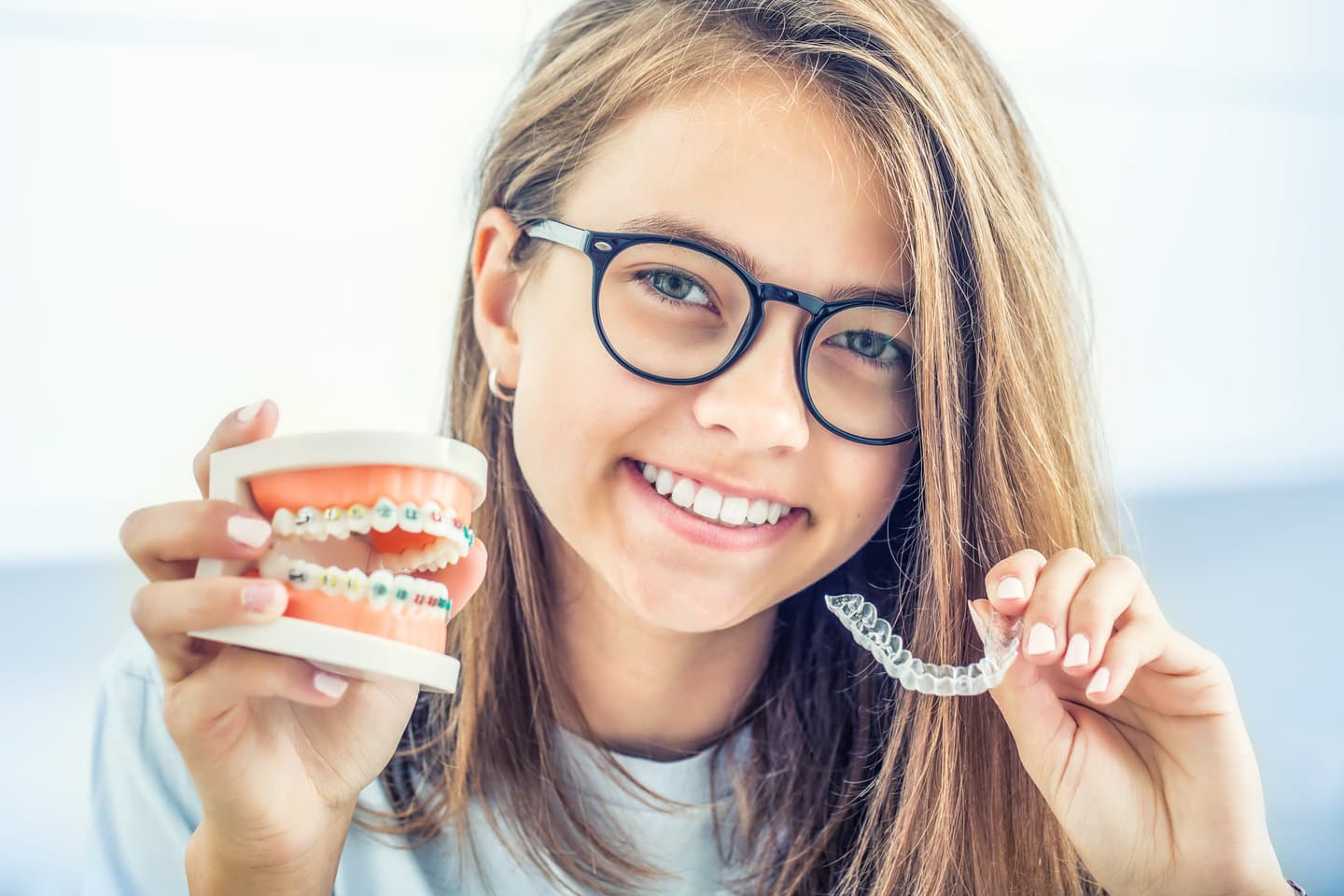
How does Invisalign function as a modern orthodontic solution? Utilizing advanced Invisalign technology, this system applies a series of clear, custom-made aligners to gradually shift teeth into desired positions. The process begins with a thorough digital scan of the patient’s dentition, creating a precise 3D model. This model facilitates aligner customization, ensuring each aligner fits snugly and exerts the appropriate amount of force on specific teeth. The aligners, crafted from a specialized thermoplastic material, are worn sequentially, each for approximately one to two weeks. As the patient progresses through their treatment, each aligner incrementally adjusts the teeth closer to the ideal alignment. This method allows for discreet, efficient orthodontic correction without the need for traditional metal braces.
Exploring Traditional Braces and Their Mechanism
While Invisalign provides a modern approach to orthodontics through its clear aligner system, traditional braces remain a robust and time-tested solution for correcting dental misalignments. Traditional braces involve the use of metal or ceramic brackets affixed to teeth, interconnected by an archwire. This setup exerts continuous pressure, gradually guiding teeth into the desired position. Among the braces types, metal braces are most common, known for their durability and efficacy. Ceramic braces offer a less conspicuous alternative, while lingual braces are positioned on the inner surfaces of teeth. The treatment process involves periodic adjustments by an orthodontist to guarantee ideal movement and alignment. The precise application of force makes traditional braces an effective option for complex orthodontic cases, where detailed adjustments are paramount.
Comparing Aesthetic Appeal of Invisalign and Braces
When evaluating the aesthetic appeal of orthodontic options, Invisalign often emerges as the preferred choice for those seeking discretion. Its clear, invisible aligners offer a subtle solution, allowing patients to undergo treatment without drawing attention. These aligners are custom-made to fit snugly over teeth, providing an almost imperceptible appearance. In contrast, traditional braces utilize metal brackets and wires, which, while effective, remain visibly prominent and may be perceived as less appealing by some patients. The metal brackets are affixed to the teeth and connected by wires, creating a more noticeable presence in the mouth. This visibility can be a significant factor influencing the decision for individuals prioritizing appearance. Therefore, for those who value minimal visual impact, invisible aligners present a compelling alternative.
Treatment Duration: What to Expect With Each Option
The duration of orthodontic treatment is a critical factor that varies considerably between Invisalign and traditional braces. Invisalign typically offers a shorter treatment timeline, averaging between 12 to 18 months, contingent on the complexity of the case. This method uses a series of custom-made aligners that are replaced biweekly, facilitating incremental adjustments. In contrast, traditional braces may extend from 18 to 24 months or longer, depending on the severity of misalignment. Braces offer consistent pressure through brackets and wires, which may lengthen treatment expectations. Duration differences arise as Invisalign is often preferred for mild to moderate cases, whereas braces are more suitable for complex alignment issues. The choice of treatment depends on individual needs and the desired speed of results.
Comfort and Convenience: Aligners vs. Brackets and Wires
Although both Invisalign and traditional braces aim to correct dental alignment, their impact on comfort and convenience greatly differs. Invisalign aligners are crafted from smooth, BPA-free plastic, offering superior aligner comfort as they gently shift teeth without the irritation associated with metal components. In contrast, traditional braces consist of brackets and wires, which can lead to wire discomfort as they may cause abrasions or sores in the mouth. The removability of aligners adds a layer of convenience, allowing for easier oral hygiene practices and dietary flexibility. Traditional braces, however, remain fixed, necessitating meticulous cleaning and dietary restrictions to avoid damage or additional oral issues. These distinctions considerably influence patient experience, with aligners often favored for their comfort and ease of use.
Addressing Different Dental Issues: Invisalign vs. Braces
Addressing varying dental issues requires understanding the distinct capabilities of Invisalign and traditional braces. Invisalign is well-suited for mild to moderate alignment issues, such as minor crowding and spacing. Its clear aligners offer a discreet approach, gradually shifting teeth without the visibility of metal. However, traditional braces excel in treating complex dental health concerns, including severe misalignments, malocclusions, and bite irregularities. The fixed nature of brackets and wires enables precise adjustments, providing consistent pressure to reposition teeth effectively. While Invisalign offers a comfortable alternative for less severe cases, braces remain indispensable for extensive orthodontic corrections. Ultimately, choosing between these options should be guided by a professional assessment of the individual’s specific alignment issues and long-term dental health goals, ensuring favorable outcomes.
Maintenance and Oral Hygiene Considerations
When considering maintenance and oral hygiene, Invisalign and traditional braces present distinct requirements that impact daily dental care routines. Invisalign aligners necessitate removal for eating and drinking, facilitating straightforward daily cleaning. Users are advised to brush and floss after meals to prevent plaque buildup before reinserting aligners. This routine aids in maintaining peak oral health. Conversely, traditional braces, fixed to teeth, require meticulous cleaning around brackets and wires. Special toothbrushes and interdental cleaners are often employed to dislodge food particles and minimize plaque accumulation, which can lead to dental complications if neglected. Both systems demand diligence, but Invisalign’s removable nature offers a simplified cleaning process, whereas braces necessitate a more intensive hygiene regimen to guarantee effective plaque control.
Cost Comparison of Invisalign and Traditional Braces
The financial consideration of orthodontic treatment often plays an important role in the decision-making process between Invisalign and traditional braces. Invisalign typically incurs a higher initial cost, averaging between $3,500 and $8,000, compared to traditional braces, which range from $2,500 to $7,500. Insurance coverage is a critical factor; some plans cover both options, though often with varying reimbursement rates. Patients should verify specific orthodontic benefits with their providers. Payment plans can alleviate upfront financial burdens, providing structured monthly payments across the treatment duration. Orthodontists frequently offer flexible financing options to accommodate diverse financial situations. Ultimately, evaluating the thorough cost, including potential insurance contributions and available payment plans, is essential to making an informed decision tailored to individual financial constraints.
Choosing the Right Option Based on Lifestyle and Needs
How does one determine the most suitable orthodontic treatment between Invisalign and traditional braces? A thorough evaluation of lifestyle preferences and personal goals is essential. Invisalign, known for its discreet appearance, might align better with individuals prioritizing minimal aesthetic disruption. This option is advantageous for those with active social engagements or professional environments demanding a polished image. Conversely, traditional braces are suitable for cases requiring intensive correction and are less reliant on patient compliance, as they are non-removable. Consideration of daily routines, such as dietary restrictions or participation in contact sports, further informs this decision. Ultimately, the choice hinges on balancing the severity of dental issues, the desired level of convenience, and the willingness to adhere to treatment protocols.
Frequently Asked Questions
Can You Eat Popcorn With Invisalign?
The consumption of popcorn is discouraged with Invisalign due to potential damage to aligners. Instead, individuals are advised to explore popcorn alternatives. Proper Invisalign care involves removing aligners during meals to maintain their integrity and effectiveness.
Are There Any Age Restrictions for Using Invisalign?
Invisalign eligibility generally includes teenagers and adults without specific age restrictions. Teenagers usage often begins once permanent teeth are present. Adult options vary based on individual dental needs. Treatment duration depends on the complexity of the case.
Do Invisalign Aligners Affect Speech?
Invisalign aligners may temporarily affect speech clarity, leading to minor pronunciation changes as the mouth adjusts. These changes are typically mild and diminish over time as individuals acclimate to wearing the aligners consistently.
What Materials Are Used to Make Invisalign Aligners?
Invisalign aligners are crafted from a patented thermoplastic material called SmartTrack, known for its aligner durability and flexibility. This material guarantees material safety, providing a comfortable fit while effectively moving teeth over time without compromising oral health.
How Often Should I Visit the Orthodontist With Invisalign?
Regular visits every 6-8 weeks are recommended for effective Invisalign maintenance. These appointments guarantee proper progress within the treatment timeline, allowing the orthodontist to make necessary adjustments and monitor the aligners’ fit and functionality.