

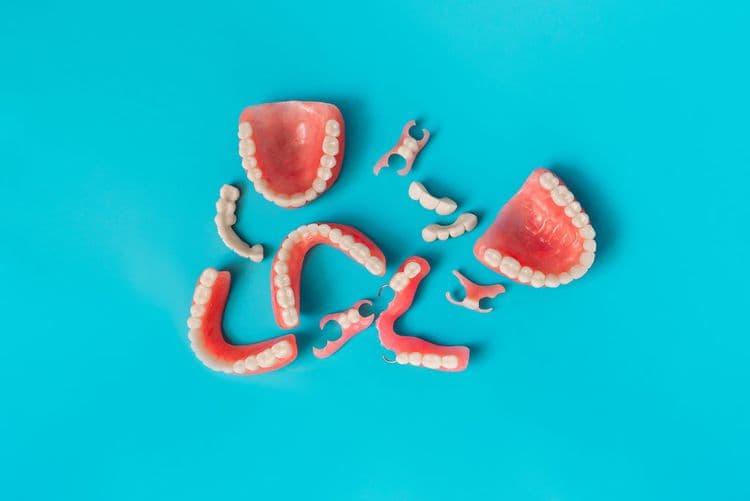
When partial dentures become stuck, it is essential to approach the situation methodically to avoid exacerbating the issue. Initial actions should focus on remaining calm and evaluating any discomfort. Rinsing with warm water can aid relaxation of oral tissues, while gentle rocking motions may facilitate removal. Employing lubricants or specialized tools might further assist. For those facing persistent difficulties, professional consultation is advisable to prevent damage. Discover effective techniques and preventive measures next.
Assess the Situation and Stay Calm
When faced with the challenge of a stuck partial denture, it is essential to first evaluate the situation with a composed and methodical approach. Determining the severity of the situation involves measuring stress levels and identifying any potential discomfort or pain. An objective evaluation will help determine the best course of action without causing unnecessary distress. Employing calming techniques is vital to manage anxiety, ensuring both physical and emotional stability during the process. Techniques such as deep breathing, counting slowly, or focusing on a peaceful image help maintain a steady demeanor. By systematically addressing stress and employing effective calming strategies, individuals can approach the problem with clarity and precision, ultimately facilitating a more efficient resolution to the issue at hand.
Rinse Your Mouth With Warm Water
After achieving a composed state of mind, the next practical step involves rinsing the mouth with warm water. This process aids in alleviating discomfort and may facilitate the loosening of the partial dentures. The application of warm water serves to relax the oral tissues surrounding the dentures, potentially easing their release. Mouth rinsing should be conducted with care, guaranteeing the temperature of the water is comfortably warm, neither too hot nor too cold, to avoid irritation. It is recommended to gently swish the water in the mouth for approximately 30 seconds. This action can help to dislodge any debris that might be contributing to the dentures being stuck. Precision in this step is essential to secure oral health and comfort.
Use Gentle Rocking Motions
When removing stuck partial dentures, employing slow and steady rocking motions can facilitate their release without causing damage. It is essential to evaluate pressure points during this process to guarantee even distribution and prevent undue stress on the gums. This method minimizes discomfort risks and promotes a more controlled and safe denture removal experience.
Slow and Steady Movements
While attempting to remove stuck partial dentures, employing slow and steady movements is essential to prevent damage to both the denture and the surrounding oral tissues. A methodical, patient approach should be prioritized, utilizing gentle techniques to gradually dislodge the appliance. The practitioner should initiate a subtle, controlled rocking motion, minimizing abrupt actions that could compromise the structural integrity of the denture or cause discomfort to the user. By maintaining consistent, deliberate movements, the risk of potential injury to the gums and oral structures is greatly reduced. It is imperative to remain attentive to the denture’s response, adjusting force and direction accordingly. This careful methodology guarantees a safe and effective removal, preserving both the denture and the patient’s oral health.
Evaluate Pressure Points
Evaluating the pressure points is a critical step that follows the slow and steady removal process for stuck partial dentures. This step involves careful pressure point identification to guarantee the denture is not causing undue stress on specific areas of the oral cavity. The practitioner must gently rock the denture, examining for resistance or discomfort, which may indicate oral tissue sensitivity. By isolating these pressure points, one can determine areas where the denture may be overly tight or misaligned. This methodical approach allows for targeted adjustments, facilitating smoother removal while minimizing trauma to sensitive oral tissues. Proper evaluation not only aids in effective detachment but also provides valuable insights for future adjustments and maintenance of the partial denture fit.
Minimize Discomfort Risks
Employing gentle rocking motions is a pivotal technique to minimize discomfort risks during the removal of stuck partial dentures. This method serves as an effective discomfort management strategy by reducing potential trauma to the oral tissues. By gently rocking the denture back and forth, the wearer can gradually dislodge the appliance without exerting excessive force. This approach guarantees that undue pressure is not applied to the gums or surrounding tissue, thereby adhering to ideal denture care practices.
The user should maintain a steady, controlled motion while focusing on areas where the denture appears most securely attached. This technique should be executed with patience, allowing natural loosening of the denture, thereby mitigating pain and preventing potential damage to the oral cavity. Consistent practice enhances skill in this delicate procedure.
Try Using Denture Removal Tools
When partial dentures become difficult to remove, specific denture removal tools can assist in the process. These tools, ranging from simple hooks to more advanced devices, require proper usage to guarantee effective removal without damaging the dentures or oral tissues. It is imperative to follow safety precautions to prevent injury and maintain the integrity of the dental appliance.
Types of Removal Tools
Denture removal tools, specially designed for the task, can greatly facilitate the process of dislodging stuck partial dentures. Among these, denture pliers are a practical choice. These pliers are specifically crafted with a non-slip grip and cushioned tips to securely hold the dentures without causing damage. They provide the necessary leverage to gently ease the partial denture out of its position. Suction cups, another effective tool, use negative pressure to adhere to the denture surface. By creating a seal, they allow for a controlled pull, reducing the risk of accidental damage to the denture or surrounding oral structures. Selecting the appropriate tool is essential in ensuring a safe and efficient removal process, tailored to the specific denture design in question.
Proper Tool Usage
Selecting the right tool is only the first step in the effective removal of stuck partial dentures; understanding proper tool usage is equally important. The initial consideration should revolve around accurate tool selection. Denture removal tools, such as clasps remover or removal pliers, must be chosen based on the specific design and material of the denture. Once the appropriate tool is selected, correct handling techniques are essential to guarantee safe and efficient removal. Grasp the tool firmly and apply steady, gentle pressure to avoid damaging the denture or the oral cavity. Regular tool maintenance, including cleaning and storage, is vital to maintain functionality and hygiene. Inspect tools for wear or damage routinely to ensure peak performance during the removal process.
Safety Precautions
How essential is it to prioritize safety when attempting to remove stuck partial dentures? Guaranteeing safety is paramount to prevent damage to the oral cavity and maintain ideal denture hygiene. When employing denture removal tools, individuals must exercise caution to avoid injury. Utilizing tools designed specifically for denture extraction reduces the risk of accidental harm. It is critical to follow manufacturer guidelines to guarantee proper tool application, enhancing both safety and efficacy.
Guaranteeing regular oral care practices, such as cleaning dentures and maintaining gum health, contributes to easier removal and better overall oral health. Practitioners should emphasize the importance of a gentle approach to denture removal. Adhering to these safety precautions not only protects the user but also upholds the integrity of the dental appliance and the oral environment.
Apply Lubricating Gel or Oil
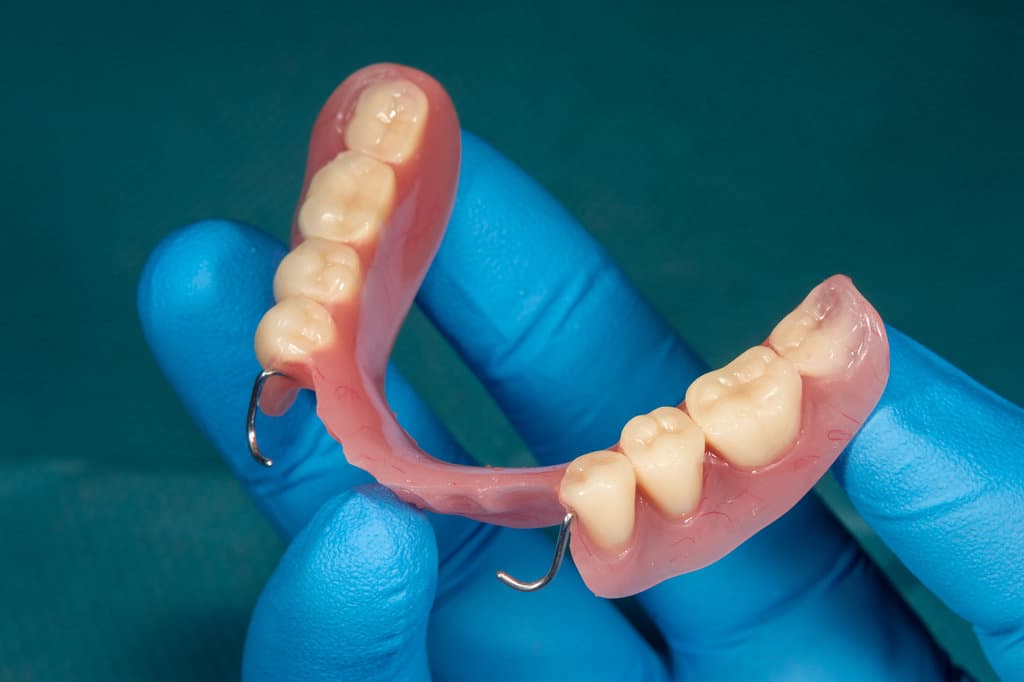
To facilitate the removal of stuck partial dentures, applying a lubricating gel or oil can be an effective method. Lubrication methods such as these provide a slippery surface that can reduce friction and allow for easier extraction. Gel application involves placing a small amount of a suitable dental-safe gel or oil around the gum line where the dentures are lodged. It is essential to verify that the lubricant is compatible with oral use, to prevent adverse reactions. After applying the lubricant, a waiting period of a few minutes is advisable to allow the substance to thoroughly seep into the contact areas. This step can greatly enhance the ease of denture removal, minimizing potential discomfort or damage to the oral tissues.
Massage the Cheek and Jaw Area
Gently massaging the cheek and jaw area can assist in loosening stuck partial dentures by promoting relaxation of the surrounding muscles. This technique involves applying gentle pressure and circular motions to the cheeks and jaw, facilitating jaw relaxation. The massage should be performed with clean hands, focusing on the facial muscles adjacent to the dentures. By alleviating tension in these areas, the probability of successfully dislodging the dentures increases. Cheek massage enhances blood circulation and reduces muscle stiffness, further aiding the process. Consistent application of this method is recommended, ensuring gradual and effective relaxation. Performing these actions helps create a conducive environment for the dentures to be removed without undue stress on oral tissues.
Avoid Forced Removal Techniques
Ensuring the safe removal of partial dentures necessitates avoiding forced removal techniques, which can cause damage to both the dentures and oral tissues. Excessive force may fracture or warp the prosthetic structure, compromising its fit and function. More critically, such methods risk lacerating or bruising the gums and mucosal linings, leading to discomfort and potential infection. Proper denture care involves patience and the application of gentle, consistent pressure to facilitate release. Ideal removal techniques should prioritize gradual manipulation and leverage rather than abrupt pulling or twisting motions. If resistance persists, the individual is advised to consult dental professionals to mitigate further complications. Adhering to these principles safeguards both the longevity of the dentures and the integrity of oral health.
Implement Preventive Measures for the Future
Proper maintenance protocols play an essential role in preventing issues with partial dentures in the future. Adhering to denture maintenance tips guarantees longevity and functionality. Regular cleaning is vital to remove food particles and plaque, reducing the risk of bacterial buildup. Utilizing a soft-bristled toothbrush and non-abrasive cleanser protects the denture surface. In addition, oral hygiene practices such as rinsing the mouth after meals and nightly soaking of dentures in a suitable solution are recommended. Confirming a proper fit is critical; regular dental check-ups can identify and rectify any discrepancies. Finally, avoiding hard foods and using denture-specific adhesives can prevent undue stress on the appliance. Thorough adherence to these measures can greatly mitigate future complications.
Know When to Seek Professional Help
When should one seek professional help for stuck partial dentures? Recognizing signs of trouble is vital. If excessive discomfort, pain, or bleeding occurs, it is advisable to consult a dental professional. In addition, when partial dentures remain immovable despite following proper removal techniques, professional intervention is warranted. Persistent resistance or unusual tightness can indicate underlying issues, such as misalignment or gum swelling, necessitating expert evaluation. Moreover, if a patient experiences damage to the dentures or surrounding oral tissues, immediate consultation is essential to prevent further complications. A dentist can provide specialized tools and expertise to safely and effectively manage the situation. Timely professional assistance guarantees the integrity of both the dental appliance and the patient’s oral health.
Frequently Asked Questions
Can Certain Foods Cause Dentures to Get Stuck More Often?
Sticky foods can increase the likelihood of dentures becoming stuck by adhering to dental surfaces. Proper denture care, including regular cleaning and avoiding such foods, is essential to maintain fit and function, reducing the risk of adhesion.
What Are the Risks of Using DIY Denture Removal Methods?
DIY denture removal methods pose risks such as denture damage, which may lead to costly repairs, and compromised oral health due to potential gum injury or infection. Professional guidance is essential for safe denture management and maintenance.
How Can Anxiety Affect the Removal of Stuck Dentures?
Denture anxiety can exacerbate stress, complicating the removal process. Effective stress management techniques, including controlled breathing and relaxation exercises, may alleviate anxiety, facilitating smoother denture removal by reducing physical tension and enhancing focus on the task.
Are There Specific Denture Adhesives That Prevent Sticking?
Different denture types may require specific adhesives to avoid sticking. Adhesive ingredients like zinc-free formulations can help. Proper selection based on denture material and fit guarantees easy removal, enhancing comfort and oral hygiene without compromising stability.
What Should I Do if My Dentures Get Stuck While Traveling?
When dentures get stuck during travel, immediate denture care involves rinsing with warm water and using gentle rocking motions. Travel tips include carrying a denture adhesive remover and seeking professional dental assistance if removal proves difficult.