

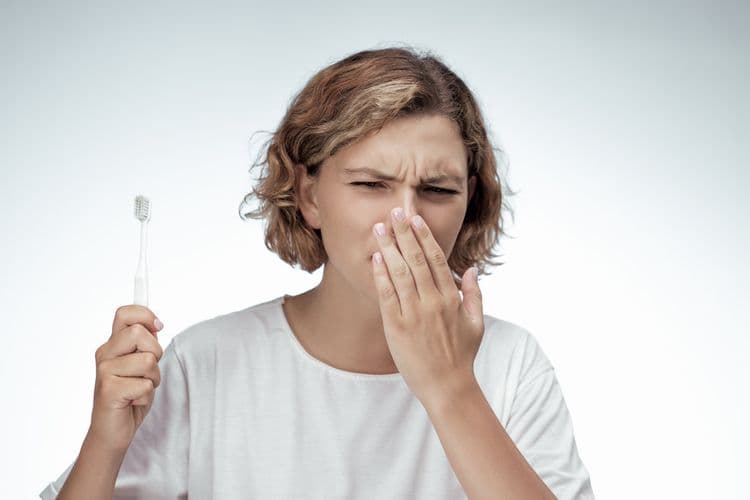
Halitosis, commonly known as bad breath, is a multifaceted condition arising mainly from oral health issues such as gingivitis and the accumulation of bacteria in dental plaque, producing volatile sulfur compounds. Additionally, systemic conditions like diabetes and renal failure contribute distinct odorous manifestations. Dietary choices, smoking, and inadequate hydration further exacerbate this issue. Identifying these underlying causes is essential for effective management and improvement, prompting further exploration into tailored interventions and preventive measures.
Common Causes of Bad Breath
Bad breath, or halitosis, is commonly attributed to several etiological factors that can be broadly categorized into oral and systemic origins. Among oral causes, gingivitis symptoms are significant contributors. Gingivitis, characterized by inflamed and bleeding gums, results from bacterial proliferation in dental plaque, producing volatile sulfur compounds responsible for malodor. Systemically, sinus infections play a vital role in halitosis. Postnasal drip, a common manifestation of sinusitis, facilitates the accumulation of mucus in the oral cavity. This environment promotes anaerobic bacterial activity, leading to the release of sulfur compounds and subsequent bad breath. Identifying the underlying causes, whether oral or systemic, is essential for effective management of halitosis, emphasizing the need for thorough clinical evaluation and targeted therapeutic interventions.
The Role of Oral Hygiene
A robust oral hygiene regimen plays a crucial role in mitigating halitosis by reducing bacterial load and preventing plaque accumulation. Effective toothbrush technique is essential for reaching all surfaces of the teeth. Employing a gentle, circular motion with a soft-bristled toothbrush guarantees thorough removal of biofilm. The frequency and duration of brushing—twice daily for two minutes—are essential for ideal oral health. Beyond brushing, flossing significance cannot be overstated, as it removes interdental debris that toothbrushes may miss, thereby minimizing anaerobic bacterial growth that contributes to malodor. Clinical evidence supports that individuals who adhere to extensive oral hygiene practices, including both effective brushing and regular flossing, exhibit considerably lower levels of volatile sulfur compounds, the primary contributors to oral malodor.
Impact of Diet on Breath
Dietary choices greatly influence oral malodor, with certain foods known to exacerbate halitosis. High-protein foods, garlic, onions, and dairy products can contribute to unpleasant breath due to their sulfur compounds and protein content, which are metabolized by oral bacteria. Modifying dietary habits, such as increasing water intake and incorporating fresh fruits and vegetables, can mitigate these effects and promote oral freshness.
Foods Causing Bad Breath
While certain foods are known for their rich flavors, they can also contribute significantly to halitosis. One prominent example is the consumption of onions, which leads to the phenomenon colloquially termed as “onion breath.” This arises from the release of sulfur-containing compounds during digestion. Similarly, garlic effects on oral malodor are well-documented. Allicin, a compound found in garlic, metabolizes into allyl methyl sulfide, a volatile substance absorbed into the bloodstream and exhaled through the lungs, causing persistent bad breath. Both onions and garlic, due to their sulfuric constituents, can exacerbate halitosis more than other foods. Evidence suggests that their impact on breath persists until the compounds are fully metabolized or excreted, underscoring the significant role diet plays in oral health.
Diet Changes for Freshness
To mitigate the impact of diet on halitosis, incorporating specific changes can greatly enhance oral freshness. Evidence suggests that certain dietary modifications play a vital role in reducing volatile sulfur compounds, which are primary contributors to malodor. The inclusion of herbal remedies, such as parsley, mint, and basil, has demonstrated efficacy in neutralizing oral bacteria due to their antimicrobial properties. In addition, freshening drinks containing green tea or herbal infusions can effectively decrease oral malodor, attributed to their polyphenol content which inhibits bacterial growth. Emphasizing hydration is also essential, as it promotes saliva production, further aiding in the clearance of odor-causing particles. Such dietary interventions, when combined, offer a thorough approach to maintaining ideal oral hygiene and freshness.
Smoking and Its Effects on Breath
Tobacco consumption greatly contributes to halitosis, commonly known as bad breath. The deleterious effects of nicotine and other tobacco constituents result in a persistent malodor. Nicotine reduces salivary flow, leading to xerostomia, which facilitates bacterial proliferation and volatile sulfur compound production, exacerbating oral malodor. Moreover, the inhalation of tobacco smoke introduces a variety of odoriferous compounds that adhere to oral tissues, compounding the issue. Evidence indicates that smoking cessation considerably ameliorates these symptoms, restoring salivary function and reducing the presence of malodorous compounds. Studies highlight that individuals who cease smoking report notable improvements in oral health parameters and self-perceived breath freshness. Consequently, addressing tobacco use is a critical component in the management and prevention of halitosis.
Medical Conditions Linked to Halitosis
Chronic halitosis can often be attributed to underlying medical conditions that disrupt normal physiological processes. Among these, chronic diseases such as diabetes and renal failure are notable contributors. Diabetes can result in ketoacidosis, producing a distinct fruity odor. Renal failure leads to an ammonia-like scent, often referred to as “uremic fetor”. Additionally, respiratory infections, including sinusitis, bronchitis, and pneumonia, can cause malodorous breath due to the accumulation of mucus and bacteria. Gastroesophageal reflux disease (GERD) is another condition linked to halitosis, as it allows gastric contents to ascend into the esophagus, releasing volatile sulfur compounds. Therefore, identifying and managing these medical conditions is imperative in addressing chronic halitosis, emphasizing the need for extensive diagnostic evaluation and personalized treatment strategies.
Medications That Can Cause Halitosis
Certain medications are known to contribute to halitosis due to their mechanisms of action, including reduced saliva production and the release of volatile compounds. Common culprits include antihistamines, decongestants, and certain blood pressure medications. Effective management of medication-induced halitosis may involve dosage adjustments, alternative therapeutic agents, or enhanced oral hygiene practices.
Common Medications Causing Halitosis
Numerous medications have been identified as contributors to halitosis, often due to their effects on saliva production or metabolism. Antibiotics, for instance, may alter the oral microbiome, leading to an imbalance that can result in malodor. The antibiotic effects are not limited to microbial disruption; they can also induce xerostomia, further exacerbating breath issues. Antihistamines, commonly used for allergic conditions, have a significant antihistamine impact by reducing saliva flow, which is vital for oral cleansing. This reduction in salivary secretion can lead to dry mouth and subsequent halitosis. Other medications, such as diuretics and antidepressants, similarly contribute to reduced salivary flow or metabolic changes, thereby increasing the risk of halitosis. Consequently, medication-induced halitosis is a multifaceted issue requiring careful consideration.
Managing Medication-Induced Halitosis
When addressing medication-induced halitosis, it is essential to contemplate both the pharmacological properties of the medications involved and the physiological mechanisms they affect. Many medications, such as antihypertensives and antidepressants, contribute to xerostomia, ultimately exacerbating halitosis. Effective medication management involves reviewing the necessity of the offending agent and considering alternative therapies with less xerogenic potential. Additionally, optimizing dosing schedules may mitigate adverse oral effects.
Implementing halitosis remedies, including maintaining rigorous oral hygiene practices, can notably alleviate symptoms. Interventions such as increased hydration, sugar-free gum or lozenge use, and alcohol-free mouthwashes are recommended to stimulate salivary flow. Clinicians should adopt a multidisciplinary approach, involving both dental and medical professionals, to holistically address the etiology and management of medication-induced halitosis.

Dehydration and Dry Mouth
Dehydration and dry mouth, clinically known as xerostomia, are significant contributors to halitosis. The dehydration effects on the oral cavity lead to reduced saliva production, an essential component for maintaining oral hygiene. Saliva performs critical functions such as neutralizing acids, washing away food particles, and providing enzymes that combat bacteria. When dehydration impairs these functions, volatile sulfur compounds accumulate, resulting in malodor.
Effective dry mouth remedies include increasing fluid intake, which helps restore adequate salivary flow. Additionally, the use of sugar-free chewing gum or lozenges can stimulate saliva production. Oral hydration solutions and saliva substitutes may also prove beneficial. Clinical intervention may be necessary if xerostomia persists, requiring thorough evaluation to identify underlying causes and tailor treatment strategies accordingly.
The Connection Between Stress and Bad Breath
In addition to physiological factors like dehydration, psychological elements such as stress can also play a significant role in the development of halitosis. Stress-induced xerostomia, or dry mouth, impairs salivary flow, reducing its natural cleansing action and promoting oral bacterial proliferation. Heightened anxiety can exacerbate this condition, leading to increased volatile sulfur compounds, a primary contributor to malodorous breath. Research indicates that effective stress management and anxiety reduction are crucial in mitigating these symptoms, as they enhance salivary secretion and support oral hygiene. Interventions such as cognitive-behavioral therapy and mindfulness practices have shown promise in reducing stress levels, thereby potentially decreasing the incidence of stress-related halitosis. Consequently, addressing psychological stressors is essential in a thorough approach to oral health.
Effective Strategies for Fresh Breath
A multitude of evidence-based strategies exists to combat halitosis and maintain fresh breath effectively. Regular oral hygiene practices, including brushing and flossing, play a pivotal role in reducing oral malodor. Clinical studies emphasize the efficacy of oral rinses containing antibacterial agents such as chlorhexidine or cetylpyridinium chloride, which target volatile sulfur compounds responsible for bad breath. Additionally, incorporating specialized breath fresheners, like sugar-free mints or gums containing xylitol, can stimulate salivary flow and provide temporary odor neutralization. Dietary modifications, such as increasing water intake and reducing consumption of odorous foods, further contribute to oral freshness. Professional dental evaluations and cleanings remain essential for identifying and addressing underlying etiologies, such as periodontal disease, that may exacerbate halitosis.
Frequently Asked Questions
Can Bad Breath Be Hereditary?
Current research suggests that genetic factors may contribute to breath odor, indicating potential hereditary components. Familial patterns in oral microbiota composition and metabolic genetic variations can influence oral health, potentially leading to similar breath characteristics among relatives.
Does Dental Flossing Help Reduce Bad Breath?
Dental flossing can greatly aid in breath improvement by removing food particles and plaque between teeth. Proper flossing techniques guarantee thorough cleaning of interdental spaces, reducing bacteria accumulation, and subsequently minimizing oral malodor, according to clinical studies.
Is Bad Breath More Common in Certain Age Groups?
Certain age groups may experience variations in breath odor prevalence due to age factors impacting oral hygiene maintenance. Research suggests that older adults, with potential oral health challenges, might exhibit increased incidence of halitosis compared to younger individuals.
Can Bad Breath Affect Personal Relationships?
The presence of malodorous oral conditions can greatly influence relationship impact and social interactions. Evidence-based research highlights that individuals experiencing such conditions often face social stigmatization, potentially hindering the formation and maintenance of personal and professional relationships.
Are There Specific Tests to Diagnose Bad Breath?
Yes, specific diagnostic methods exist, including breath analysis and halitosis tests. These procedures aim to identify volatile sulfur compounds, bacterial content, or other contributing factors, providing an evidence-based approach for clinically evaluating oral malodor conditions.