

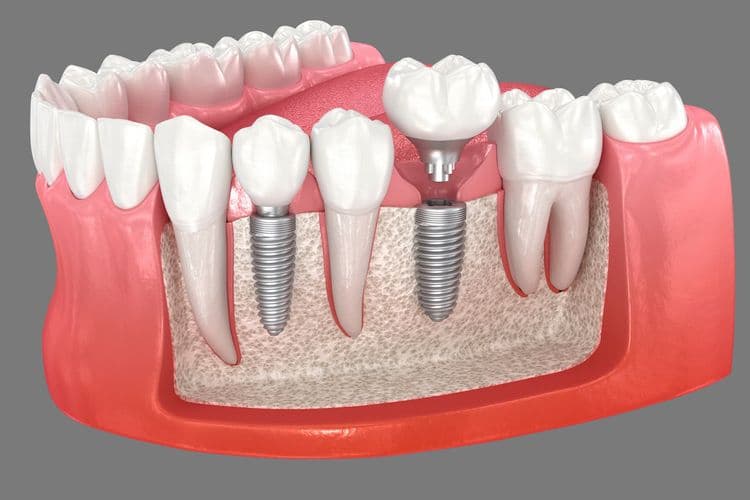
Molar dental implants represent a significant advancement in restorative dentistry, offering a stable and functional solution for missing molars. These implants, primarily composed of titanium or zirconia, integrate seamlessly with the jawbone, enhancing bone density and preserving facial structure. The surgical placement requires precision and advanced imaging techniques. Healing spans three to six months, culminating in a natural appearance. Understanding their advantages and potential challenges is essential for ideal patient outcomes.
Understanding Molar Dental Implants
While advancements in dental technology have considerably improved patient outcomes, understanding molar dental implants requires an extensive grasp of their design, function, and clinical application. Molar implant types are specifically engineered to withstand significant occlusal forces due to their posterior location. The primary implant materials include titanium and zirconia, each offering distinct advantages in osseointegration and biocompatibility. Titanium, with its proven track record, promotes robust bone integration, while zirconia offers aesthetic benefits and hypoallergenic properties. Clinicians must evaluate bone density and volume to determine appropriate implant types for individual cases. Precision in surgical placement is essential to guarantee long-term stability and function. By integrating evidence-based protocols, dental professionals can optimize the success rates of molar implants, enhancing patient satisfaction.
Advantages of Molar Implants Over Traditional Dentures
Following an understanding of the fundamental characteristics of molar dental implants, it becomes evident that they present several advantages over traditional dentures. Clinically, molar implants provide superior molar stability, which is essential for functional mastication and overall occlusal balance. Unlike dentures, which may shift or loosen during use, implants are anchored directly into the jawbone, mimicking the natural tooth root and offering enhanced resilience against dislodgement. In addition, molar implants contribute to improved aesthetics by maintaining bone density and gingival tissue contour, preventing the facial collapse often associated with denture wear. Evidence indicates that patients with molar implants experience a markedly higher satisfaction rate due to their natural appearance and functionality, reinforcing their preference over conventional denture solutions in dental practice.
The Procedure for Molar Dental Implant Placement
The procedure for molar dental implant placement involves a series of meticulously coordinated steps to guarantee maximal success and longevity of the implant. Initially, a thorough assessment, including radiographic imaging, establishes bone quality and quantity. Surgical techniques vary, yet typically involve a precise incision in the gingiva, exposing the alveolar bone for osteotomy creation. A titanium implant is inserted, assuring primary stability. The surgical site is then sutured, facilitating ideal healing conditions. Utilization of advanced imaging technology and computer-assisted planning enhances implant positioning accuracy. Patient recovery is influenced by adherence to post-operative guidelines, including maintaining oral hygiene and following dietary restrictions. Clinicians monitor progress through scheduled follow-up appointments, addressing any complications promptly to guarantee a successful outcome.
Healing and Integration With the Jawbone
Successful integration of a dental implant with the jawbone, known as osseointegration, is critical for the long-term stability of the implant. The osseointegration process involves the direct structural and functional connection between the living bone and the surface of the implant. The healing timeline for molar implants typically spans several months, often ranging from three to six months. During this period, bone cells grow and adhere to the implant surface, providing stability and support. Factors influencing the osseointegration process include the implant’s material and surface characteristics, as well as the patient’s bone quality and health status. Clinical studies emphasize the importance of monitoring the healing timeline and ensuring that the integration is progressing without complications to achieve successful outcomes.
Preparing for Your Molar Implant Procedure
Osseointegration underscores the necessity of adequate preparation for a molar implant procedure. The process begins with a thorough pre-surgery consultation, allowing clinicians to assess the patient’s oral and systemic health. Radiographic imaging, such as CT scans, provides critical data on bone density and anatomical structures. This evidence-based approach guarantees that the implant site is suitable for successful integration. Patient education during this phase highlights the importance of oral hygiene and dietary restrictions to enhance healing outcomes.
Post-operative care is meticulously planned to mitigate complications such as infection or implant failure. Clinicians emphasize adherence to prescribed antibiotics and pain management strategies. Regular follow-up appointments are integral to monitor osseointegration progress and address any emerging issues promptly, thereby safeguarding optimal implant longevity.
Cost Considerations and Insurance Coverage
Understanding the financial implications of molar dental implants is essential for patients considering this restorative procedure. A thorough cost breakdown reveals variable expenses, including surgical fees, materials, and post-operative care. The average cost can range from $3,000 to $5,000 per implant, influenced by geographical location and clinic expertise. Insurance policies play a critical role in alleviating financial burden. While dental insurance may not fully cover implant costs, certain plans offer partial reimbursement for procedures deemed medically necessary. Patients are advised to meticulously review their insurance policies to understand coverage limitations and out-of-pocket responsibilities. Engaging in discussions with dental providers about payment plans and financing options can further aid in managing the economic impact of molar dental implants.
Maintaining Your Molar Dental Implants
Having addressed the financial aspects, attention now shifts to the critical maintenance of molar dental implants, a factor paramount for their longevity and functionality. The cornerstone of implant care is stringent oral hygiene practices, which include implant hygiene tips such as using interdental brushes and antimicrobial mouth rinses to prevent peri-implantitis. Empirical studies underscore the importance of daily plaque control to maintain peri-implant tissue health. Regular check-ups are indispensable, allowing dental professionals to conduct radiographic assessments and clinical evaluations to detect early signs of complications. Evidence suggests that professional cleanings at intervals tailored to individual needs considerably reduce the risk of implant failure. Consequently, adherence to a structured maintenance regimen is essential for the sustained success of molar dental implants.
Potential Challenges and Risks
What are the potential challenges and risks associated with molar dental implants? Implant failure and infection risk are prominent concerns. Implant failure, occurring in approximately 5-10% of cases, can result from insufficient osseointegration, biomechanical overload, or systemic conditions such as osteoporosis. Infection risk, primarily peri-implantitis, is heightened due to the complex molar anatomy, which may harbor bacteria if oral hygiene is inadequate. Studies indicate that smoking and uncontrolled diabetes further exacerbate these risks. Additionally, surgical complications such as nerve damage or sinus perforation may arise during implant placement. Clinicians must conduct thorough preoperative assessments to mitigate these risks, employing evidence-based protocols and ensuring patients adhere to postoperative care guidelines to enhance implant longevity and reduce adverse outcomes.

Choosing the Right Dental Professional for Your Needs
Selecting an appropriate dental professional for molar dental implant procedures necessitates careful evaluation of their credentials and experience to guarantee ideal patient outcomes. Advanced technology and contemporary techniques employed by the practitioner greatly influence the success rate and recovery time. Additionally, effective communication and patient comfort are critical components that contribute to a positive clinical experience and patient satisfaction.
Credentials and Experience
When considering a molar dental implant, it is vital to evaluate the credentials and experience of the dental professional involved in the procedure. Credentials verification guarantees that the practitioner possesses the necessary qualifications, such as board certification and licensure, which are fundamental for performing complex dental surgeries. An experience assessment is equally important, focusing on the number of successful implantations performed by the dentist. Studies indicate that practitioners with extensive experience in dental implants demonstrate higher success rates and reduced complication risks. Evaluating both clinical training and hands-on expertise provides a thorough understanding of the professional’s capability. This evidence-based approach aids in selecting a skilled provider, thereby enhancing the likelihood of achieving ideal outcomes in molar dental implant procedures.
Technology and Techniques
In addition to evaluating credentials and experience, understanding the technology and techniques a dental professional utilizes is pivotal in choosing the right provider for molar dental implants. Advanced implant materials, such as titanium alloys and zirconia, offer enhanced osseointegration and durability, which are critical for the long-term success of molar implants. Surgical innovations, including guided implant surgery and digital imaging, allow for precise implant placement, minimizing complications and optimizing functional outcomes. Clinicians employing cutting-edge technology are better equipped to tailor implant procedures to the individual’s anatomical and physiological needs, thereby improving patient prognoses. Evaluating a dental professional’s proficiency with these technologies is essential for ensuring the highest standard of care in molar dental implant procedures.
Communication and Comfort
Effective communication and patient comfort are indispensable components in the selection of an appropriate dental professional for molar dental implants. A clinician’s ability to provide thorough patient education is vital to ensuring informed consent and fostering patient engagement. Research demonstrates that when patients are completely educated about implant procedures, risks, and benefits, their satisfaction and compliance improve considerably. In addition, emotional support is a key element that can mitigate anxiety and enhance overall patient experience. A dental professional skilled in offering empathetic emotional support can effectively address patient concerns, reducing preoperative stress. Clinical evidence underscores the importance of selecting a practitioner who prioritizes open communication and comfort, ultimately leading to improved clinical outcomes and patient satisfaction in molar dental implant procedures.
Frequently Asked Questions
How Long Do Molar Dental Implants Last?
Implant longevity varies, typically lasting 10-30 years with proper care. Maintenance tips include regular dental check-ups, meticulous oral hygiene, and avoiding excessive force on the implant. Clinical studies emphasize these factors to enhance durability and functionality.
Can Molar Implants Be Done for Children?
The current question pertains to molar implant age suitability in pediatric dentistry. Clinically, molar implants are typically not recommended for children due to ongoing jaw growth, necessitating careful assessment of individual development and alternative treatment options.
Are Molar Implants Removable?
Whether implants are removable depends on the design; typically, they are permanent fixtures. Molar implants’ benefits include improved function and aesthetics. Removable options do exist but often pertain to dentures rather than traditional implants.
What Is the Success Rate of Molar Implants?
The success rate hinges on success factors like bone quality and implant techniques. Clinically, molar implants demonstrate a high success rate, often exceeding 90%, contingent on precise surgical execution and patient-specific anatomical considerations.
Can I Get a Molar Implant With Gum Disease?
Implant eligibility for individuals with gum disease depends on the severity and treatment status of the condition. Successful dental implant placement often requires healthy gums, therefore active periodontal disease can compromise implant stability and overall success.