

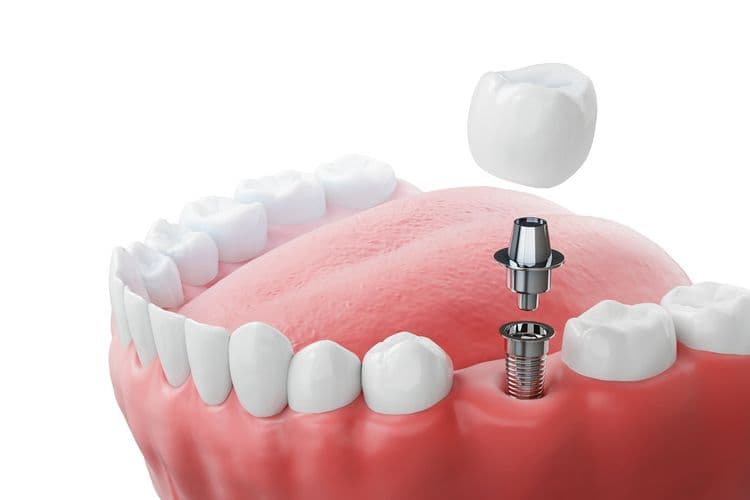
Recent advancements in dental implants emphasize enhanced biocompatibility and customization, utilizing cutting-edge materials like titanium alloys and zirconia ceramics. These materials support superior osseointegration and aesthetic benefits. Integration of 3D printing and digital imaging enables precise, tailor-made implants. Minimally invasive techniques and immediate loading strategies improve patient comfort. With success rates exceeding 90% over a decade, modern implants represent a reliable solution for dental restoration. What lies ahead in this transformative field?
Evolution of Dental Implant Materials
The evolution of dental implant materials reflects significant advancements in biomaterials science and their application in oral health care. Initially, titanium alloys were the standard due to their biocompatibility and mechanical strength. These alloys integrate well with bone tissue, minimizing rejection and enhancing osseointegration. However, the aesthetic limitations prompted the development of ceramic implants. Ceramic implants offer superior esthetics and are particularly advantageous in anterior regions where translucency and color matching are paramount. Studies indicate that ceramic materials, such as zirconia, exhibit favorable biocompatibility and reduced plaque accumulation compared to titanium. These attributes make ceramic implants a viable alternative for patients with metal allergies or those seeking metal-free solutions. Continuous research is essential to optimize the performance of both materials in diverse clinical scenarios.
3D Printing in Implant Dentistry
Advancements in 3D printing technology have revolutionized implant dentistry, offering improved precision and customization in treatment planning. 3D printing facilitates the creation of custom implants tailored to individual patient anatomy, leading to enhanced surgical outcomes. Studies demonstrate that this technology allows for the fabrication of implants with complex geometries, which were previously unattainable with traditional manufacturing methods. The customization aspect guarantees ideal fit and function, reducing complications and promoting faster recovery. Clinical evidence supports the efficacy of 3D-printed implants in achieving high success rates. Additionally, the ability to rapidly prototype and iterate designs streamlines the workflow, minimizing chair time and costs. This patient-focused approach represents a significant advancement, guaranteeing personalized care and improving overall patient satisfaction in implant dentistry.
The Role of Digital Imaging and Planning
Digital imaging and planning play an essential role in enhancing the accuracy of dental implant placement by providing precise anatomical data. Evidence suggests that these technologies streamline the treatment workflow, reducing chair time and improving procedural efficiency. Additionally, by allowing for meticulous preoperative assessment, digital planning minimizes surgical risks, thereby prioritizing patient safety and outcomes.
Enhancing Implant Accuracy
Revolutionizing the landscape of dental implantology, digital imaging and planning technologies have emerged as critical tools in enhancing implant accuracy. Precision techniques, such as cone-beam computed tomography (CBCT), provide clinicians with high-resolution, three-dimensional images, facilitating detailed visualization of anatomical structures. This advancement enables precise implant placement by allowing practitioners to evaluate bone density, nerve locations, and sinus cavities with unprecedented accuracy.
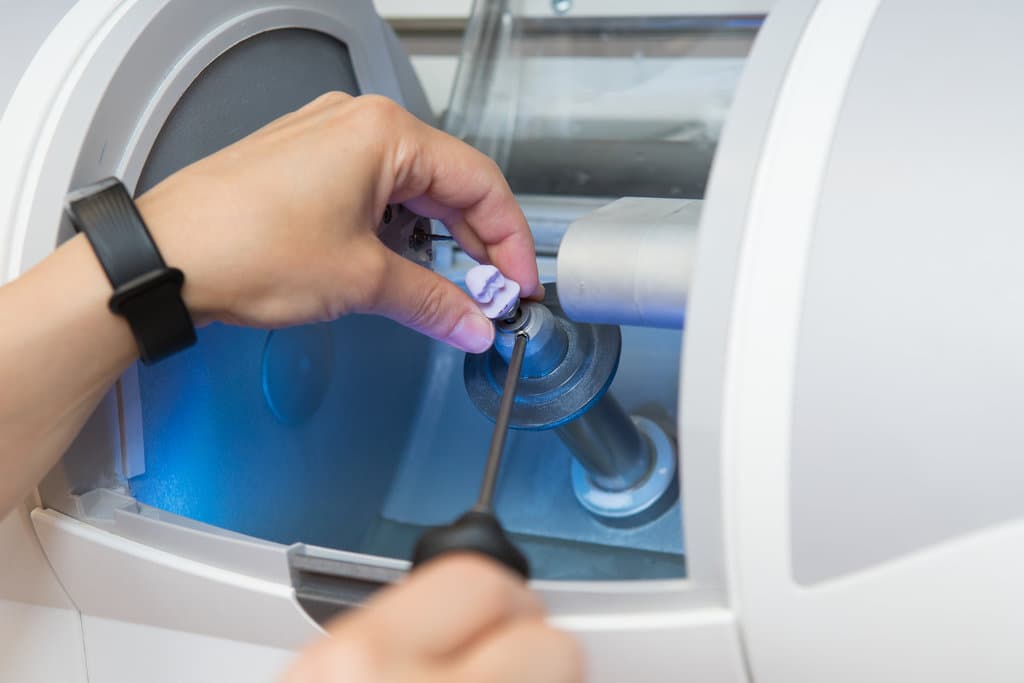
Measurement technologies, including digital impression systems and computer-aided design/computer-aided manufacturing (CAD/CAM), further contribute to ideal implant outcomes. These systems enhance the ability to create custom-fit prosthetics, tailored to the patient’s unique oral architecture, ensuring a harmonious integration of the implant within the oral cavity. Consequently, these technological innovations reduce the risk of complications, improve overall patient satisfaction, and increase the longevity of dental implants.
Streamlining Treatment Workflow
Integrating digital imaging and planning into dental practice streamlines treatment workflows by enhancing efficiency and accuracy. Advanced imaging technologies, such as cone-beam computed tomography (CBCT), provide detailed anatomical insights, enabling precise implant placement. These tools facilitate workflow enhancement by reducing manual tasks and minimizing diagnostic errors. Digital planning software further enhances treatment efficiency, allowing clinicians to simulate surgical outcomes and create personalized treatment plans. This approach reduces chair time and improves resource allocation, benefiting both practitioners and patients. Evidence suggests that digitally guided implant procedures result in higher success rates and patient satisfaction. As digital technologies evolve, their role in dental practice continues to grow, underscoring the importance of adopting these innovations for ideal treatment outcomes.
Minimizing Surgical Risks
Building on the efficiencies gained through advanced imaging technologies, the focus shifts to minimizing surgical risks associated with dental implant procedures. Digital imaging and planning enable precise visualization of the patient’s oral anatomy, allowing clinicians to tailor surgical protocols with greater accuracy. This precision reduces the potential for complications, such as nerve damage or implant misplacement. Evidence suggests that integrating these technologies into surgical planning enhances patient outcomes by facilitating informed decision-making.
Furthermore, digital imaging serves as a cornerstone for patient education, providing clear visual aids that enhance understanding of the procedure and its risks. Educated patients are more likely to adhere to pre-and post-operative instructions, further mitigating surgical risks. Consequently, digital imaging and planning represent critical advancements in safeguarding patient safety during implant procedures.
Biocompatibility and Osseointegration
The success of dental implants heavily depends on the biocompatibility of the materials used, which must integrate seamlessly with the host tissue without eliciting adverse reactions. Titanium and its alloys are mainly utilized due to their proven ability to promote osseointegration, a process where the implant becomes firmly anchored to the surrounding bone. Ensuring ideal material compatibility and facilitating effective bone integration are critical for achieving long-term stability and functionality in patients.
Material Compatibility Factors
Biocompatibility and osseointegration are vital considerations in the success of dental implants. The choice of material notably impacts these factors. Titanium alloys are widely used due to their proven biocompatibility and strength, promoting favorable osseointegration. The surface properties of titanium alloys facilitate the attachment and proliferation of osteoblasts, essential for implant stability. Meanwhile, zirconia ceramics offer an alternative with excellent biocompatibility and aesthetic advantages. Zirconia’s resistance to corrosion and plaque accumulation further enhances its suitability. Studies indicate that zirconia can achieve comparable osseointegration to titanium, making it a viable option for patients with metal sensitivities. Ultimately, selecting the appropriate material requires evaluating patient-specific factors to guarantee ideal outcomes and long-term implant success, balancing function and aesthetics efficiently.
Bone Integration Process
Successful dental implant procedures rely heavily on the complex bone integration process, which encompasses biocompatibility and osseointegration. This process is essential in ensuring the long-term success of implants. Biocompatibility refers to the material’s ability to coexist with the surrounding biological environment without adverse reactions, facilitating ideal bone healing. Osseointegration is the direct structural and functional connection between living bone and the surface of a load-bearing implant, vital for implant stability. Evidence shows that proper integration reduces the risk of implant failure, enhancing patient outcomes. Factors influencing the integration include the implant’s surface properties and the patient’s bone quality. By ensuring these elements are met, dental professionals can achieve robust and durable implant stability for improved oral health.
Minimally Invasive Implant Techniques
As advancements in dental technology continue to evolve, minimally invasive implant techniques have emerged as a significant development, offering patients reduced discomfort and faster recovery times. These techniques prioritize soft tissue preservation, which is critical for maintaining ideal gingival architecture and enhancing esthetic outcomes. By utilizing smaller incisions and precise surgical protocols, clinicians can minimize trauma to surrounding tissues, thereby promoting quicker healing and reducing postoperative complications.
Patient comfort is further enhanced through the application of digital imaging and guided surgery, which allow for accurate implant placement with minimal surgical exposure. Clinical studies indicate that these approaches not only improve patient satisfaction but also maintain long-term implant stability. Consequently, minimally invasive techniques represent a patient-centered advancement in dental implantology, aligning with contemporary demands for efficient, effective treatment.
Advances in Implant Surface Technology
Building upon the advancements in minimally invasive techniques, recent developments in implant surface technology have additionally enhanced the efficacy of dental implants. Surface modifications and implant coatings are pivotal in improving osseointegration, reducing healing time, and increasing the longevity of implants. Studies have demonstrated that roughened or porous surfaces facilitate better bone-to-implant contact, thereby improving stability. Advanced coatings, such as hydroxyapatite and bioactive glass, have been shown to promote faster bone growth and enhance biocompatibility. Moreover, antibacterial coatings are being explored to minimize infection risks, thereby improving patient outcomes. These innovations, grounded in rigorous research, empower clinicians to deliver more predictable results, ensuring that patients benefit from durable and reliable implant solutions aligned with modern dental therapeutic goals.
Immediate Loading and Same-Day Implants
While the traditional dental implant process typically requires a healing period before loading, immediate loading and same-day implant techniques are revolutionizing patient care by greatly reducing treatment time. These methods enable patients to receive functional and aesthetic restoration within one appointment. Evidence indicates immediate benefits, such as reduced overall treatment duration and minimized surgical interventions. Clinically, this approach leverages advances in implant stability and bone integration, ensuring immediate function without compromising outcomes. Patient satisfaction is significantly enhanced, as these techniques cater to the increasing demand for rapid and effective dental solutions. By reducing the waiting period, patients experience a swift return to normal oral function and aesthetics, aligning with contemporary expectations for efficient dental care delivery.
Long-Term Durability and Success Rates
How do dental implants fare over the long term regarding durability and success? Clinical studies indicate that dental implants exhibit high implant longevity, with success rates exceeding 90% over a 10-year period. Various factors contribute to these outcomes, including surgical technique, implant material, and patient-specific factors such as bone quality and oral hygiene. Patient satisfaction is largely dependent on implant longevity, as durable implants reduce the need for costly and invasive re-interventions. Evidence suggests that titanium implants, in particular, offer robust long-term performance. Additionally, the integration of implants with surrounding bone—osseointegration—plays a significant role in sustaining their structural integrity. Overall, sustained high success rates and patient satisfaction highlight dental implants as a reliable solution for long-term tooth replacement.
Enhancing Aesthetic Outcomes and Natural Appearance
Although the functionality of dental implants is paramount, achieving an aesthetic outcome that mimics natural teeth is equally important for patient satisfaction. To optimize the natural appearance, advancements in color matching technology have enabled dental professionals to replicate the hue and translucency of adjacent teeth. This precision guarantees a seamless integration of the implant with the surrounding dentition. Smile design, a critical component of treatment planning, involves customizing the implant’s shape and positioning to complement the patient’s facial features and oral anatomy. Evidence indicates that these patient-focused methodologies enhance the visual harmony of dental prosthetics, thereby improving overall satisfaction. By prioritizing both functionality and aesthetics, dental practitioners can deliver superior outcomes that meet the patient’s expectations for a natural and appealing smile.
Frequently Asked Questions
How Much Do the Latest Dental Implants Typically Cost?
The cost factors of dental implants vary considerably, influenced by location, provider expertise, and materials. Average pricing ranges from $3,000 to $5,000 per implant, with additional costs for procedures like bone grafting, ensuring thorough patient-focused treatment and care.
Are There Any Dietary Restrictions After Receiving Dental Implants?
After receiving dental implants, patients are advised to adhere to a diet of soft foods to facilitate healing. Maintaining strict oral hygiene is essential in preventing infection and ensuring ideal integration of the implants with the jawbone.
What Is the Recovery Time for Dental Implant Surgery?
The recovery time for dental implant surgery varies, generally taking several months. Pain management is essential initially, while the healing process involves osseointegration, where the bone fuses with the implant, ensuring long-term stability and functionality.
Can Dental Implants Be Covered by Insurance?
Insurance coverage for dental implants varies widely. Some plans include dental benefits that cover part of the procedure, while others do not. Patients should review policy details and consult with providers to guarantee adequate coverage.
How Do I Choose the Right Dental Implant Specialist?
When selecting a dental implant specialist, one should conduct an experience evaluation, ensuring the practitioner has extensive expertise. Reviewing specialist credentials, including board certifications and additional training, is essential for making an informed, patient-focused decision based on evidence-based standards.