

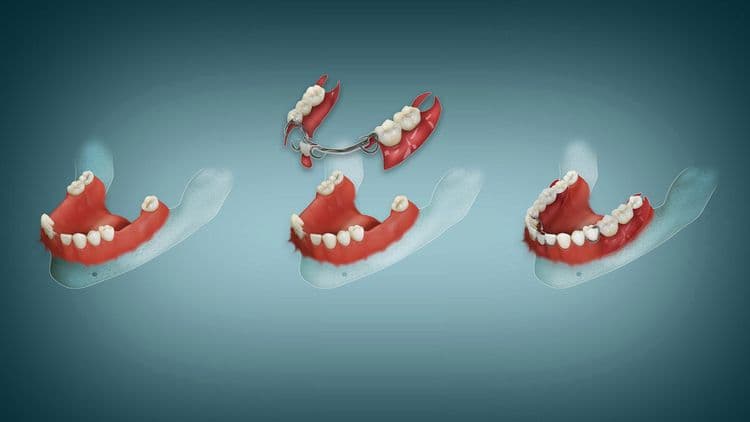
Partial dentures can cause discomfort, particularly during the initial adjustment phase as oral tissues acclimate to the new appliance. Factors such as fit, materials, and individual anatomy greatly influence comfort levels. Ill-fitting dentures may result in pressure points and gum irritation. While many patients experience reduced discomfort with proper fitting and care, persistent pain necessitates a dental consultation. Understanding the nuances of partial dentures is essential for ensuring patient comfort and functionality.
Understanding Partial Dentures
Partial dentures, as dental prosthetics, serve as a removable solution for patients missing some teeth, playing an important role in oral rehabilitation. They are designed to restore function and aesthetics while preventing further oral health issues. Various denture types exist, including acrylic, cast metal, and flexible variants, each tailored to specific clinical needs and patient preferences. Proper oral hygiene is vital to the longevity and effectiveness of these prosthetics. Evidence suggests that meticulous cleaning routines prevent plaque accumulation, reduce the risk of periodontal disease, and guarantee the integrity of both natural teeth and prosthetics. Dentists emphasize routine follow-ups to monitor adaptation and maintenance. By understanding these factors, patients can achieve ideal outcomes and maintain oral health effectively.
Factors Affecting Comfort Levels
When evaluating the comfort levels associated with partial dentures, several critical factors must be considered, including fit, material type, and the patient’s oral anatomy. The material composition influences comfort considerably; acrylic and metal bases each have unique properties impacting tactile sensation and adaptability. Patient-specific oral anatomy, such as gum contour and bone structure, directly affects how dentures conform to the mouth, influencing comfort levels. Rigorous denture maintenance is paramount to sustain comfort by preventing plaque buildup and ensuring structural integrity. Evidence indicates that regular adjustments and cleanings are essential for minimizing discomfort and prolonging denture lifespan. By addressing these factors, dental professionals can enhance patient comfort, ensuring partial dentures function effectively while reducing potential irritation or soreness in the oral cavity.
The Importance of Proper Fit
A well-fitted partial denture is essential for ensuring ideal comfort and functionality for the patient. The fitting process involves precise measurements of the oral cavity to achieve optimal integration with existing teeth. Improper fit can lead to discomfort, oral sores, and compromised mastication. Adjustment techniques play a critical role in refining the fit post-placement. These may include minor modifications to the denture base or clasps to enhance retention and stability. Evidence indicates that patients undergoing systematic adjustments report considerably improved satisfaction levels. Regular follow-ups enable dental practitioners to monitor changes in the oral environment, ensuring long-term comfort and function. By prioritizing a meticulous fitting process and employing targeted adjustment techniques, practitioners can effectively minimize potential discomfort associated with partial dentures.
The Role of Dental Materials
The choice of dental materials greatly impacts the comfort and functionality of partial dentures. Acrylic bases, known for their adaptability to the oral tissues, may offer enhanced patient comfort, while metal frameworks provide superior strength and durability, reducing the risk of breakage. Evidence suggests that selecting appropriate materials tailored to individual patient needs can mitigate discomfort and improve overall satisfaction with partial dentures.
Comfort of Acrylic Bases
Acrylic bases, commonly used in partial dentures, play an essential role in determining the comfort of these dental prosthetics. The material’s acrylic durability is a significant factor, providing a resilient structure that resists daily wear and tear. This durability guarantees that dentures maintain their shape and function over time, ultimately enhancing patient satisfaction. Additionally, the lightweight design of acrylic bases contributes to the overall comfort experienced by users. This feature minimizes the burden on oral tissues, thereby reducing the likelihood of discomfort or irritation. Patients often report a more natural feel, which is important for daily activities such as speaking and eating. By prioritizing these attributes, dental professionals aim to improve the quality of life for individuals relying on partial dentures.
Metal Framework Advantages
While acrylic bases provide significant comfort, metal frameworks offer distinct advantages in the domain of dental materials. Metal strength is a key attribute, allowing for the construction of durable partial dentures that can withstand the mechanical forces of mastication. This robustness reduces the risk of fracture, potentially decreasing the need for frequent adjustments or repairs. Additionally, design flexibility is enhanced with metal frameworks, permitting tailored fitting to the unique contours of a patient’s oral cavity. This customization guarantees a more precise and comfortable fit, minimizing discomfort often associated with ill-fitting dentures. Evidence suggests that patients experience improved oral health outcomes due to the superior structural integrity and adaptability offered by metal-based dentures, resulting in greater patient satisfaction and reduced oral irritation.
Initial Adjustment Period
Often, patients experience a period of adjustment when first wearing partial dentures, as the oral cavity adapts to the new prosthetic appliance. This initial adjustment phase can involve temporary discomfort, as the oral tissues become accustomed to the presence of the denture. Studies indicate that the adaptation period generally spans a few weeks, during which the mucosal tissues may undergo changes in response to pressure and friction from the denture. Clinicians emphasize the importance of patient education regarding the expected timeline and symptoms of this adaptation period. By setting realistic expectations, dental professionals can alleviate patient anxiety and improve compliance with wearing the appliance consistently. Regular follow-up appointments are essential to monitor progress and make necessary adjustments to the prosthetic for ideal comfort.
Common Sources of Discomfort
The initial adjustment period for partial dentures can often result in discomfort as the oral tissues adapt to the new appliance. Poor fit issues may exacerbate this discomfort, leading to pressure points that can cause significant gum soreness. Evidence suggests that addressing these fit issues promptly can mitigate discomfort and improve patient satisfaction with their dental prosthesis.
Initial Adjustment Period
Patients frequently experience discomfort during the initial adjustment period after receiving partial dentures. This initial discomfort is often attributed to the introduction of a foreign object in the oral cavity, which necessitates adaptation by the surrounding tissues. Common symptoms include soreness, pressure points, and difficulty in mastication. Evidence suggests that these sensations typically diminish as the oral tissues acclimate over time.
To mitigate discomfort, various adjustment strategies are recommended. These include gradual wearing times to allow for progressive adaptation, adherence to a soft diet to reduce pressure on sensitive areas, and maintaining excellent oral hygiene to prevent inflammation. Clinicians may also advise periodic follow-up appointments to monitor progress and make necessary adjustments, ensuring patient comfort and successful adaptation to the new prosthesis.
Poor Fit Issues
While partial dentures offer a valuable solution for missing teeth, poor fit issues can greatly contribute to patient discomfort. A thorough fit assessment is vital to guarantee ideal denture alignment with the oral cavity. Poorly fitting dentures often result from inaccurate impressions or changes in the oral anatomy over time. These misalignments can cause pressure points, leading to irritation and discomfort. Evidence suggests that regular follow-up appointments are necessary to identify and address fit discrepancies promptly. Denture adjustment procedures, such as relining or rebasing, can considerably alleviate discomfort by enhancing the contact between the denture base and soft tissues. Patient education on recognizing early signs of poor fit is essential to encourage timely professional intervention, securing long-term comfort and satisfaction.
Gum Soreness Causes
Many patients experience gum soreness as a prevalent source of discomfort when wearing partial dentures. This condition often arises from gum irritation caused by ill-fitting dentures. When dentures do not conform properly to the oral cavity, uneven pressure distribution occurs, leading to inflammation and soreness. Additionally, excessive movement of dentures can exacerbate the irritation, further compromising patient comfort. Regular denture adjustment is vital in mitigating these issues. Adjustments guarantee that dentures fit snugly and distribute pressure evenly across the gums, reducing the likelihood of irritation. Evidence suggests that personalized adjustment protocols, informed by patient feedback and clinical assessment, greatly alleviate gum soreness. Ultimately, a patient-focused approach to denture care is fundamental in minimizing discomfort and enhancing overall oral health.

Tips for Easing Discomfort
Discomfort from partial dentures can be effectively managed through several evidence-based strategies. Pain management is vital for enhancing patient comfort and oral health outcomes. Over-the-counter analgesics, such as acetaminophen or ibuprofen, may provide temporary relief from mild discomfort. Additionally, topical soothing remedies, including oral gels containing benzocaine, can be applied directly to irritated areas to alleviate soreness. Proper denture hygiene is also essential; regularly cleaning dentures with a soft-bristle brush prevents plaque accumulation, reducing irritation risk. Adjusting denture wear time can help the oral tissues adapt gradually, minimizing pain. Moreover, rinsing the mouth with a saline solution can promote healing and reduce inflammation. Implementing these strategies may greatly improve the overall experience for individuals wearing partial dentures.
When to Consult Your Dentist
How can individuals determine the appropriate time to consult their dentist regarding partial denture discomfort? Persistent pain unresponsive to initial home remedies, such as rinsing with warm salt water or using over-the-counter pain relievers, necessitates a dentist consultation. Additionally, signs of inflammation, bleeding, or ulceration warrant immediate professional evaluation to prevent further deterioration of oral health. According to evidence-based guidelines, ill-fitting partial dentures may contribute to misalignment or excessive pressure on gums, exacerbating discomfort. Consequently, any adjustments in fit or function should prompt dental assessment. Furthermore, if discomfort is accompanied by difficulty in chewing or speaking, it indicates a potential need for denture modification. Promptly addressing these symptoms with a dental professional guarantees peak oral health and enhances long-term denture efficacy.
Long-Term Care for Partial Dentures
Maintaining the longevity and functionality of partial dentures requires adherence to a structured care regimen. Evidence-based practices underscore the importance of routine cleaning techniques and a dedicated maintenance schedule. Daily cleaning involves brushing the dentures with a soft-bristled brush and non-abrasive cleanser to prevent plaque accumulation and bacterial growth. Immersion in a specialized denture solution further guarantees thorough disinfection. Patients are advised to remove dentures overnight to allow oral tissues to rest, thereby reducing the risk of irritation. Regular dental check-ups are vital for monitoring fit and integrity, with adjustments made as necessary to prevent discomfort. A well-defined maintenance schedule, focusing on both daily care and periodic professional assessments, is fundamental for peak oral health and denture performance.
Frequently Asked Questions
Can Certain Foods Cause Discomfort With Partial Dentures?
Certain foods can cause discomfort with partial dentures. Hard foods may exert excessive pressure, while sticky foods can dislodge them. Patients are advised to adopt a careful diet, focusing on softer, non-sticky foods to minimize discomfort and complications.
How Do Lifestyle Choices Impact Denture Comfort?
Lifestyle choices greatly impact denture comfort. Proper denture maintenance and oral hygiene are critical. Evidence suggests that neglecting these can lead to discomfort and complications, such as irritation or infection, highlighting the importance of patient adherence to recommended care practices.
Are There Alternative Treatments to Partial Dentures?
Alternative treatments to partial dentures include dental implants and bridge options. Implants offer a permanent solution by replacing tooth roots, while bridges fill gaps using adjacent teeth for support. Both methods enhance oral function and patient satisfaction.
Do Partial Dentures Affect Speech Clarity?
Partial dentures may initially impact speech clarity due to articulation challenges. Patients often experience a period of speech adaptation as they become accustomed to the prosthetics. Evidence suggests consistent practice can mitigate these challenges, improving overall communication.
Can Allergies Influence Comfort With Partial Dentures?
Allergic reactions to denture materials can considerably influence comfort with partial dentures. Materials such as acrylic resins or metal alloys might trigger sensitivities, necessitating alternative options. Evidence suggests patient-focused assessments improve comfort outcomes through personalized material selection.