

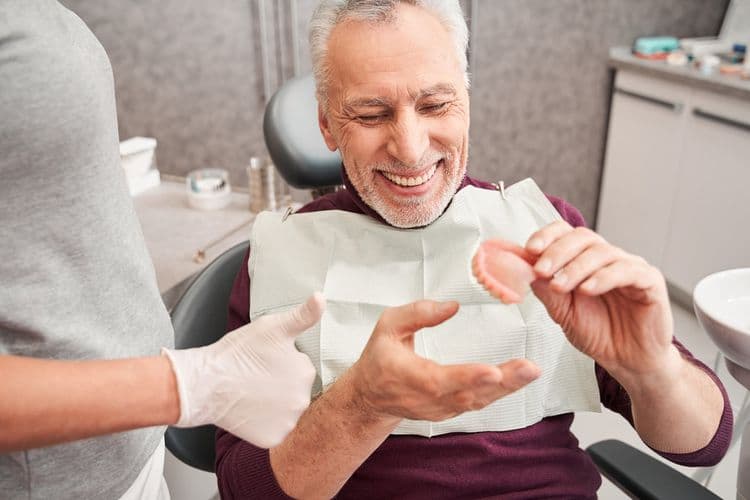
The longevity of dentures is vital for maintaining oral health and quality of life. Typically, dentures last between 5 to 10 years, influenced by materials, oral hygiene, and lifestyle. Regular dental check-ups guarantee proper fit and function despite natural changes in gum and bone structure. Proper care extends their lifespan, but signs of wear may necessitate replacement. Understanding these factors is fundamental for those relying on dentures for daily function and comfort.
The Role of Materials in Denture Longevity
Material selection is a cornerstone of denture longevity, influencing their durability and functionality. Various material types, such as acrylic resins, metals, and flexible polymers, each contribute distinct durability factors to the overall lifespan of dentures. Acrylic resins are commonly used for their aesthetic qualities and ease of adjustment but may be prone to wear over time. Metals, including cobalt-chromium alloys, offer superior strength and resistance to fracture, enhancing the durability of the framework. Flexible polymers provide comfort and adaptability, beneficial for patients with sensitive oral tissues, though they may lack the rigidity of metals. Choosing the appropriate material type based on individual patient needs and oral conditions is essential in optimizing the functional lifespan and satisfaction provided by dentures.
Technological Advancements in Denture Design
As breakthroughs in technology continue to reshape the dental landscape, advancements in denture design are greatly enhancing patient outcomes. The integration of 3D printing and digital impressions allows for precise, customized fittings, markedly improving functional design. These technologies facilitate aesthetic improvements, guaranteeing dentures not only fit well but also look natural. Innovative materials contribute to enhanced durability and patient comfort, offering solutions that withstand wear while reducing irritation. The use of these advanced materials in denture fabrication guarantees that the structures maintain their integrity over time. With technology driving these enhancements, patients benefit from dentures that are both resilient and visually appealing. This evolution in design translates into better, longer-lasting dental solutions tailored to individual needs.
Common Causes of Denture Wear and Tear
Denture longevity can be greatly impacted by various factors contributing to wear and tear. One primary cause is denture friction, which occurs from the constant contact between the denture surfaces and oral tissues. Over time, this friction can lead to material degradation, causing micro-abrasions and weakening the structural integrity. Additionally, individual chewing habits play a critical role. Patients who frequently chew hard or sticky foods exert excessive pressure on their dentures, accelerating wear. Such habits can cause fractures, warping, or misalignment, necessitating more frequent adjustments or replacements. Moreover, inadequate cleaning routines may leave debris and plaque, exacerbating wear and encouraging bacterial growth. Proper maintenance and regular dental check-ups are essential to mitigate these factors and prolong denture lifespan.
The Impact of Lifestyle on Denture Lifespan
Lifestyle choices greatly influence the lifespan of dentures, with dietary habits, oral hygiene practices, and smoking being key determinants. Consuming hard or sticky foods can expedite wear, while a balanced diet supports oral health. Proper oral hygiene, including regular cleaning of dentures, is essential to prevent plaque buildup and staining. Smoking habits contribute to discoloration and deterioration of denture materials. Stress management indirectly affects denture longevity by impacting oral health; stress can lead to teeth grinding or clenching, damaging dentures. Adequate hydration levels maintain oral tissue health, supporting denture fit and function. Physical activity influences overall health, impacting oral structures that support dentures. As a result, adopting healthy lifestyle practices can greatly extend the functional lifespan of dentures.
Importance of Regular Dental Check-Ups
Regular dental check-ups are critical in identifying early denture issues that could compromise the appliance’s function and the patient’s comfort. By routinely evaluating the fit and condition of dentures, dental professionals can preemptively address any discrepancies, thereby mitigating the risk of oral health problems such as gum irritation or bone resorption. This proactive approach not only extends the lifespan of the dentures but also enhances the overall oral health of the patient.
Detecting Early Denture Issues
How often should one visit the dentist to guarantee dentures remain in prime condition? Dental professionals recommend biannual check-ups to effectively monitor the condition of dentures. During these visits, the dentist examines for early signs of wear and tear, making sure that potential issues are addressed promptly. Detecting early denture issues is vital in preventing further complications. Patients may experience denture discomfort, which can manifest as sore spots or difficulty in speaking and chewing. Regular check-ups facilitate the early detection of misalignment or material degradation, allowing for timely adjustments. Dentists employ precise diagnostic tools and techniques to evaluate fit and function, minimizing the risk of prolonged discomfort. Maintaining this routine secures peak denture performance and enhances overall oral health.
Preventing Oral Health Problems
While often underestimated, the importance of regular dental check-ups in preventing oral health problems cannot be overstated. These appointments are essential for maintaining ideal oral hygiene and ensuring that dentures function effectively. Dental professionals can identify potential issues early, preventing complications that might affect denture longevity. Additionally, regular evaluations support the maintenance of a proper nutrition balance by ensuring that individuals are able to chew effectively, which is critical for nutrient absorption. Check-ups involve thorough cleaning and assessment of both natural teeth and dentures, addressing plaque buildup and potential gum issues. By adhering to a schedule of regular dental visits, patients can greatly reduce the risk of oral health problems, thereby prolonging the life and effectiveness of their dentures.
Proper Denture Care and Maintenance
Proper care and maintenance are essential in extending the lifespan of dentures, encompassing effective cleaning techniques, regular dental check-ups, and ideal storage practices. Cleaning dentures daily with appropriate solutions prevents plaque buildup and maintains oral hygiene. Additionally, storing dentures in a moist environment when not in use and scheduling routine dental evaluations guarantees both the functionality and comfort of the dentures are preserved.
Cleaning Techniques Explained
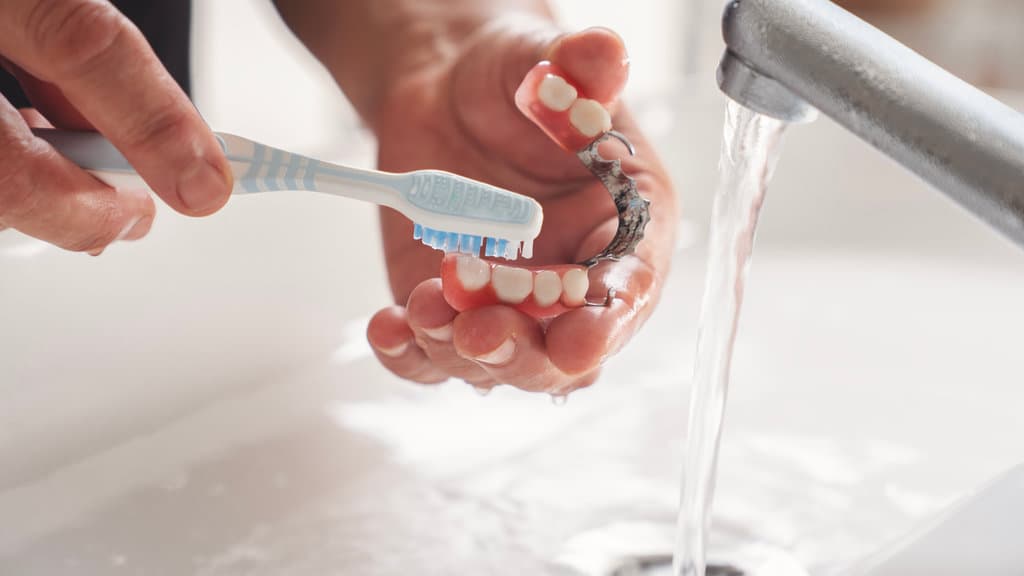
Maintaining ideal denture hygiene requires adherence to specific cleaning techniques that guarantee both the longevity and functionality of the appliance. First, denture cleaning should involve the use of a soft-bristled brush specifically designed for dentures to prevent abrasions. Effective techniques include brushing gently to remove food particles and plaque. Users should immerse dentures in a non-abrasive denture cleaner overnight, as this helps eliminate bacteria and stains without damaging the material. Rinsing thoroughly before reinsertion is essential to avoid chemical residue. It is advised to avoid hot water, which can warp the structure. Additionally, handling dentures over a soft surface prevents accidental damage. Following these guidelines secures peak performance and hygiene, supporting the overall oral health of denture wearers.
Regular Check-Ups Importance
Ensuring the longevity and effectiveness of dentures involves regular check-ups with a dental professional, which are essential for proper denture care and maintenance. During these visits, the dentist evaluates the fit and condition of the dentures, making necessary denture adjustments to prevent discomfort and oral tissue damage. These adjustments are vital as changes in the oral cavity can alter the fit over time, impacting function and comfort. Additionally, regular check-ups facilitate the monitoring of oral hygiene, allowing for early detection of issues like gum disease or infections that could compromise denture performance. By maintaining an ideal fit and ensuring healthy oral conditions, dental professionals play a pivotal role in prolonging denture lifespan and enhancing patient satisfaction.
Storage Best Practices
Appropriately storing dentures is vital for safeguarding their integrity and functionality. Denture storage involves maintaining a clean, moist environment to prevent warping and bacterial growth. Proper containment is essential; dentures should be kept in a closed, water-filled container specifically designed for dental appliances. This prevents drying and maintains their shape. It is advisable to use a container with a secure lid to avoid contamination and accidental damage. Additionally, dentures should be cleaned thoroughly before storage to remove food particles and plaque. Avoid using hot water, as it may distort the material. Regularly renewing the water in the storage container helps maintain ideal conditions. These practices guarantee that dentures remain in good condition, extending their longevity and functionality.
Recognizing Signs That It’s Time to Replace Dentures
When exactly should one consider replacing their dentures? Recognizing the need for replacement is essential for maintaining oral health and comfort. Denture discomfort is a primary indicator; it may result from changes in the oral cavity that affect the fit. Over time, gums and bones naturally alter shape, leading to fit issues. Ill-fitting dentures can cause sore spots, irritation, or even infections. Additionally, excessive wear and tear, such as cracks or chips, can compromise the denture’s function. Difficulty in chewing or speaking may also suggest that the dentures no longer provide adequate support. Regular dental check-ups are important for early detection of these issues, ensuring that any necessary replacement occurs promptly, thereby enhancing the patient’s quality of life.
Options for Denture Repair and Adjustment
Repairing or adjusting dentures involves several options that cater to different levels of damage and patient needs. Repair techniques include rebasing, relining, and adding teeth or clasps, each addressing specific structural issues. Rebasing replaces the denture base, while relining adjusts the fit by adding material to the existing base. Both techniques restore stability and comfort. For minor fractures or wear, acrylic or metal repairs are effective, ensuring the denture remains functional.
Adjustment options focus on alignment and fit, often necessary due to gum changes over time. Professional adjustment involves trimming or smoothing areas causing discomfort. For best results, these procedures should be performed by dental professionals who can assess the condition and recommend suitable solutions, prioritizing patient satisfaction and oral health.
Tips for Extending the Life of Your Dentures
To maximize the longevity of dentures, it is vital to maintain a meticulous care routine that encompasses both cleaning and handling practices. Regular cleaning using a soft-bristled brush and non-abrasive cleanser removes plaque and prevents bacteria buildup, essential for peak oral hygiene. Rinsing dentures after meals can further minimize debris accumulation. Equally important is the gentle handling of dentures to avoid accidental damage. Storing them in water or a denture solution when not in use prevents warping. Routine dental visits for professional cleaning and necessary denture adjustments guarantee a proper fit, reducing wear and discomfort. Avoid using hot water, which can distort the denture material. By integrating these practices, patients can effectively extend the functional lifespan of their dentures.
Frequently Asked Questions
How Much Do New Dentures Typically Cost?
New dentures’ cost varies considerably, influenced by denture materials such as acrylic, porcelain, or metal. Additional cost factors include customization, dentist fees, and geographic location, with prices typically ranging from $300 to $5,000 per arch, depending on complexity.
Are There Alternative Options to Traditional Dentures?
When considering alternative options to traditional dentures, implant supported dentures and flexible dentures present viable solutions. Implant supported dentures offer enhanced stability, while flexible dentures provide comfort and adaptability, catering to varying patient needs and preferences effectively.
Can Dentures Affect My Speech?
Dentures can impact speech clarity initially, as wearers may experience difficulty pronouncing certain words. However, with proper denture adjustment and practice, most individuals adapt, regaining normal speech patterns over time, ensuring effective communication and comfort.
Will Dentures Change My Facial Appearance?
Dentures can influence facial appearance by impacting denture aesthetics and facial symmetry. Properly fitted dentures restore facial contours by supporting lips and cheeks, potentially enhancing overall appearance and preserving natural symmetry, essential for patient satisfaction and confidence.
Is It Painful to Get New Dentures?
The process of denture fitting may cause initial discomfort. However, effective pain management strategies are implemented to guarantee patient comfort. Adjustments and follow-up appointments are essential for addressing any persistent soreness or irritation during the adaptation period.