

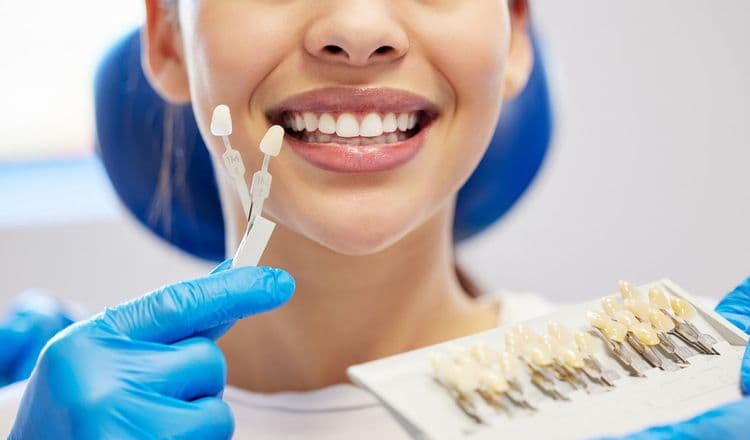
The lifespan of dental veneers varies markedly based on the materials utilized and the patient’s oral care habits. Porcelain veneers, known for their durability and resistance to staining, typically last between 10 to 15 years. In comparison, composite resin veneers generally have a shorter lifespan of 5 to 7 years due to their susceptibility to wear and discoloration. Understanding these differences is essential for making informed decisions about dental aesthetics and long-term oral health.
Understanding Veneers and Their Purpose
Dental veneers, whether crafted from porcelain or composite resin, serve as a sophisticated solution in restorative and cosmetic dentistry aimed at enhancing the aesthetic appearance and structural integrity of teeth. These ultra-thin shells adhere to the front surface of teeth, masking imperfections such as discoloration, chips, and misalignment. The veneer benefits extend beyond mere aesthetics; they provide reinforcement to weakened enamel, thereby protecting against further damage. Veneer applications are diverse, addressing both single-tooth alterations and extensive smile makeovers. Clinicians meticulously design veneers to harmonize with the patient’s natural dentition, ensuring seamless integration. By offering a minimally invasive approach, veneers preserve the majority of natural tooth structure while delivering significant improvements in dental function and appearance, thereby boosting patient confidence and satisfaction.
Types of Veneers and Their Differences
When considering the types of veneers available, it is essential to distinguish between porcelain and composite resin options, each offering distinct advantages and limitations. Porcelain veneers are renowned for their durability and aesthetic superiority, closely mimicking the translucency and texture of natural teeth. These veneers require custom fabrication in a dental laboratory, leading to a more time-intensive process but offering superior stain resistance and longevity. Conversely, composite veneers, composed of a resin material, are crafted directly onto the tooth surface by the dentist. While providing an immediate solution with reduced cost and chair time, composite veneers are more susceptible to staining and wear over time. Patients must evaluate their unique dental needs and aesthetic desires when selecting between porcelain veneers and composite veneers.
The Average Lifespan of Veneers
Generally, veneers have a lifespan that varies considerably depending on the material used and the patient’s oral hygiene practices. Porcelain veneers are renowned for their durability, often lasting between 10 to 15 years, while composite resin veneers typically exhibit a shorter lifespan, ranging from 5 to 7 years. This veneer lifespan comparison underscores the importance of selecting materials tailored to patient needs and expectations. Key veneer longevity factors include the bond between the veneer and the underlying tooth structure, as well as the individual’s commitment to maintaining ideal oral health. Routine dental check-ups and professional cleanings play pivotal roles in extending veneer lifespan. Understanding these parameters aids patients in making informed decisions regarding their veneer treatment options, ensuring both aesthetic and functional longevity.
Factors Influencing the Longevity of Veneers
The longevity of dental veneers is greatly influenced by the quality of materials used, such as porcelain or composite resin, which determines their resistance to wear and discoloration. Additionally, rigorous oral hygiene practices, including regular brushing, flossing, and professional dental cleanings, play an essential role in maintaining the integrity and appearance of the veneers. Patients are advised to adhere to recommended oral care routines to optimize the lifespan of their veneers and prevent premature failure.
Material Quality Impact
Material quality greatly influences the longevity of dental veneers, with various materials offering different durability profiles. Porcelain veneers, renowned for their superior material durability, provide long-lasting solutions often exceeding a decade. Their strength and resistance to staining contribute to sustained aesthetic appeal, making them a preferred choice for patients seeking a natural tooth-like appearance. Conversely, composite resin veneers, while more affordable, exhibit reduced durability and may require replacement after five to seven years. The trade-off between cost and longevity is a critical consideration in material selection. Advanced ceramics, such as lithium disilicate, offer an ideal balance, combining high strength with excellent aesthetic outcomes. Understanding these material properties aids patients and clinicians alike in making informed decisions regarding veneer selection.
Oral Hygiene Importance
Consistently maintaining ideal oral hygiene is essential for the longevity of dental veneers, as it directly impacts their structural integrity and aesthetic appearance. Effective oral hygiene practices, including brushing with non-abrasive toothpaste and flossing daily, help prevent plaque accumulation and gingival inflammation, which may compromise the bond between the veneer and the natural tooth. A thorough dental routine should also include regular professional cleanings and evaluations by a dental practitioner. These routine assessments allow for the early detection of potential issues such as decay or veneer edge wear. By adhering to a meticulous oral hygiene regimen, patients can greatly enhance the lifespan of their veneers, ensuring they maintain their intended function and appearance over time, reducing the risk of premature failure.
Proper Maintenance and Care for Veneers
To maximize the longevity of dental veneers, meticulous attention to their maintenance and care is essential. Daily cleaning practices, including brushing with a non-abrasive toothpaste and flossing, are fundamental to ensuring veneer protection. Such routine oral hygiene prevents plaque accumulation, which can compromise the integrity of the veneers. Furthermore, patients are advised to use a soft-bristled toothbrush to avoid damaging the veneer surface. Regular dental check-ups facilitate professional evaluation and cleaning, further safeguarding the veneers against potential damage. Additionally, individuals should minimize the consumption of staining agents like coffee and tobacco. Wearing a night guard is recommended for those who grind their teeth during sleep, as it mitigates excessive force on the veneers. Adhering to these guidelines greatly enhances veneer durability.
Common Signs of Veneer Wear and Tear
In evaluating the longevity and functionality of dental veneers, practitioners should be vigilant for signs of wear and tear such as discoloration and staining, which may indicate compromised surface integrity or inadequate oral hygiene. Chipping and cracking are additional indicators that the structural resilience of the veneer has been compromised, potentially due to bruxism or trauma. A loose veneer bond may suggest adhesive failure, necessitating prompt evaluation to prevent further complications.
Discoloration and Staining
Discoloration and staining are prevalent indicators of veneer wear, often signaling the need for professional evaluation. Veneers, composed of porcelain or composite resin, are susceptible to extrinsic stains from substances such as coffee, tea, and tobacco. Over time, these substances can compromise the aesthetic integrity of the veneer, necessitating stain prevention strategies. Routine dental assessments are essential for monitoring any changes in coloration, ensuring early intervention if necessary. Professional cleaning can mitigate superficial stains, yet persistent discoloration may require advanced interventions, such as polishing or replacement. Color matching during veneer fabrication is critical to maintain uniformity with adjacent natural teeth. Veneers should ideally mimic the natural dentition’s hue, and any deviation in color can diminish the overall appearance and patient satisfaction.
Chipping and Cracking
Beyond discoloration, structural integrity issues such as chipping and cracking are significant indicators of veneer wear and tear. Veneer durability concerns stem from factors including bite force, bruxism, and improper use of teeth as tools. These conditions compromise the surface integrity, leading to micro-fractures and progressive chipping. Understanding veneer lifespan requires awareness of these vulnerabilities and proactive measures.
Chipping prevention tips encompass avoiding hard foods, wearing a protective night guard, and abstaining from using teeth to open packages. Regular dental check-ups are critical for early detection of potential compromises. Dental professionals should educate patients on maintaining veneer integrity by emphasizing the importance of lifestyle modifications. By implementing these strategies, patients can markedly enhance the longevity and function of their veneers.
Loose Veneer Bond
A frequent indicator of veneer wear and tear is the loosening of the veneer bond, which can manifest in several discernible ways. Patients may observe veneer sensitivity issues, particularly when consuming hot or cold substances, due to compromised adhesion. Loose veneer causes often include inadequate bonding technique, deterioration of the bonding material over time, or external forces exerted on the veneer, such as bruxism or trauma. Clinicians may identify micro-movements of the veneer or gaps at the margins as telltale signs. Immediate evaluation by a dental professional is essential to prevent further complications, such as bacterial infiltration and decay. Understanding these indicators empowers patients to seek timely intervention, thereby preserving the integrity and longevity of their dental veneers.
Repairing or Replacing Damaged Veneers
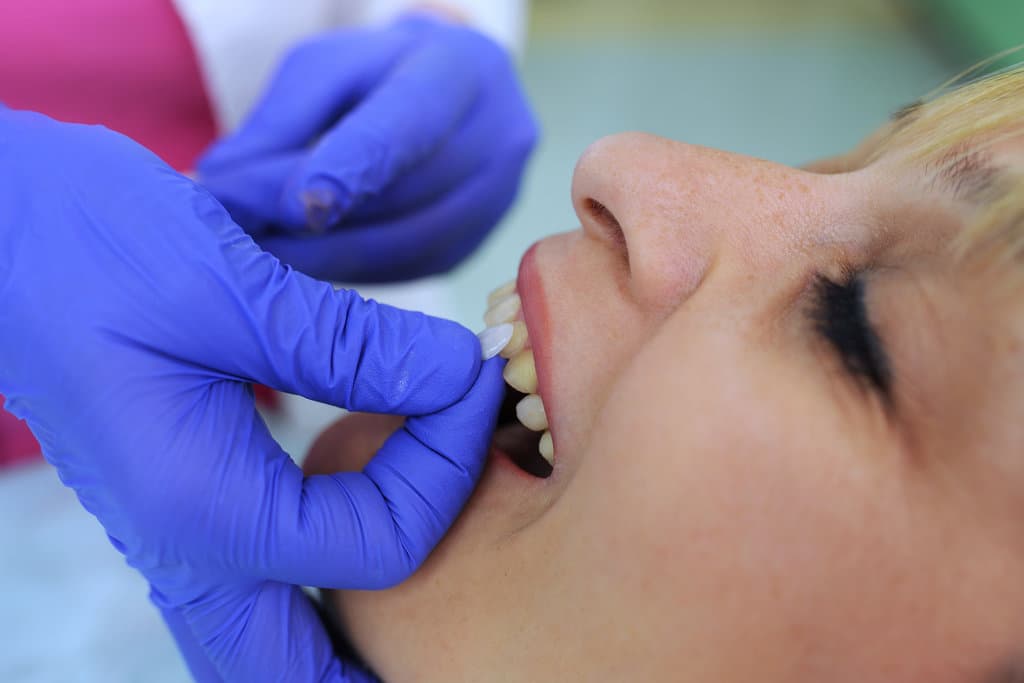
When veneers sustain damage, the decision to repair or replace them depends on the extent and nature of the impairment. Minor chipping or surface abrasions may warrant veneer repair, utilizing composite resin materials to restore aesthetics and functionality. This method is less invasive and conserves the original structure. However, veneer replacement becomes necessary when damage is extensive, such as deep fractures or significant discoloration that compromises the veneer’s integrity. Replacement involves the removal of the existing veneer and placement of a new porcelain or composite alternative. Clinical assessment and diagnostic imaging play vital roles in determining the appropriate intervention. Patients should be informed about the durability and longevity implications of both veneer repair and veneer replacement to guarantee ideal oral health outcomes.
Cost Considerations and Insurance Coverage
While addressing damaged veneers, it is imperative to contemplate the financial implications and the role of insurance in managing treatment costs. The cost breakdown for veneers often includes initial consultation fees, material costs, laboratory fees, and the dentist’s professional charges. Insurance coverage for veneers typically falls under cosmetic procedures, which many dental insurance plans do not cover. However, exceptions exist if veneers are deemed medically necessary for structural restoration. Patients should consult their insurance provider to verify specific coverage details and potential reimbursements. Understanding these financial elements enables informed decision-making. Additionally, discussing flexible payment plans with dental professionals can further alleviate financial burdens, ensuring that patients receive necessary care without compromising their financial stability or oral health.
Alternatives to Veneers for a Perfect Smile
Often, patients seeking aesthetic dental enhancements explore alternatives to veneers to achieve a perfect smile. Two prominent options are whitening treatments and dental bonding. Whitening treatments involve the use of bleaching agents to remove extrinsic and intrinsic stains, enhancing the optical brightness of teeth. This non-invasive procedure is effective for patients with discoloration but intact tooth structure. Dental bonding, on the other hand, is beneficial for correcting minor chips, cracks, or gaps. This technique involves the application of a tooth-colored composite resin that adheres to the tooth surface, providing a natural appearance. Both procedures offer substantial aesthetic improvements with minimal alteration to the natural dentition, making them viable alternatives for individuals hesitant about the permanence or cost of veneers.
Frequently Asked Questions
Can Veneers Be Whitened Like Natural Teeth?
Veneers whitening is not feasible as they do not respond to traditional bleaching agents. Veneers maintenance involves professional cleaning and polishing to preserve their appearance. Patients should consult dental specialists for alternative options to maintain their veneer aesthetics.
Do Veneers Stain From Coffee or Wine?
Veneers exhibit high stain resistance due to their non-porous surface. However, excessive coffee or wine consumption may affect their appearance. Maintenance tips include regular dental checkups and limiting exposure to staining agents for maximum longevity and aesthetics.
How Do Veneers Affect Speech?
Veneers can affect speech initially, requiring speech adjustment as the patient acclimates. Pronunciation changes may occur, particularly with sounds like “s” or “f.” Typically, these alterations diminish as the patient becomes accustomed to their new dental contours.
Are Veneers Reversible?
Veneers removal is complex since tooth enamel is often altered for veneer placement. Veneer replacement is necessary if removed. Consequently, veneers are not typically reversible. Patients should consider long-term implications before deciding on dental veneers.
Can Veneers Be Applied to Just One Tooth?
Veneers can indeed be applied to a single tooth. Dentists offer various veneer options tailored for individual teeth, addressing issues like discoloration, chipping, or misalignment, enhancing dental aesthetics while maintaining functional integrity and patient satisfaction.