

Dry socket, or alveolar osteitis, is a painful dental condition that may arise after tooth extraction when the protective blood clot is absent or dislodged, exposing the underlying bone and nerves. It manifests with symptoms such as severe pain and discomfort typically occurring 24 to 72 hours post-procedure. Understanding the risk factors, including smoking and poor oral hygiene, is essential for effective prevention and management. Exploring the symptoms, diagnosis, and treatment options can provide valuable insights.
Understanding Dry Socket and Its Causes
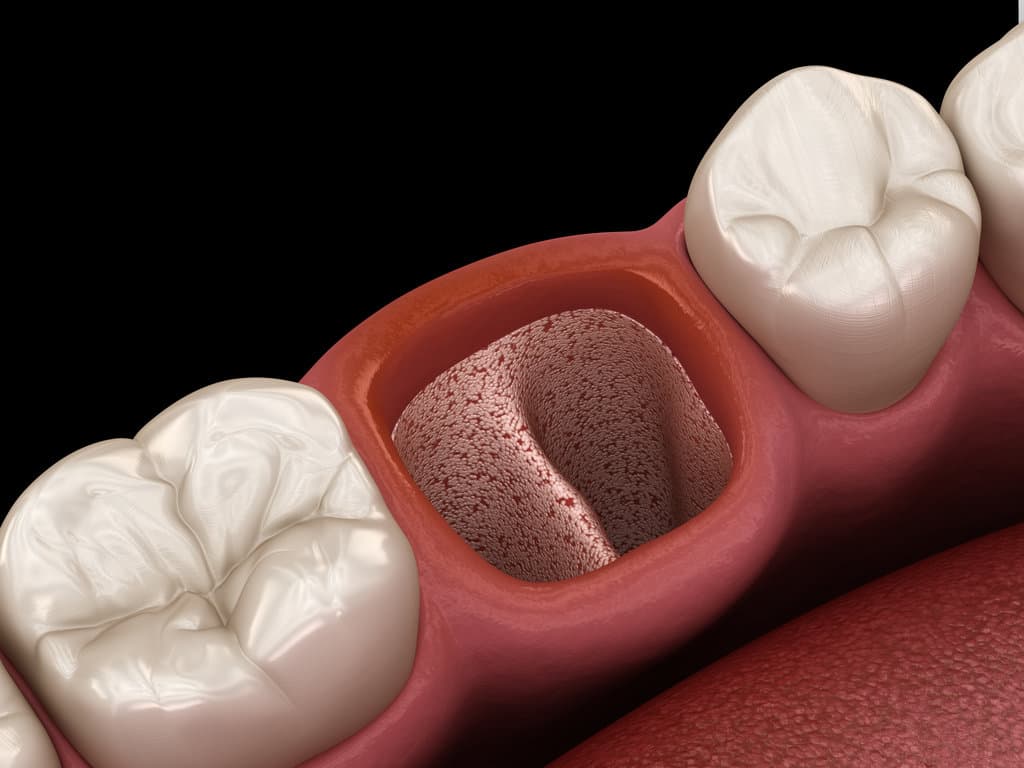
Although often overlooked, dry socket, or alveolar osteitis, is a painful dental condition that occurs when the blood clot at the site of a tooth extraction either fails to form or becomes dislodged prematurely, exposing underlying bone and nerves. This condition greatly hinders the healing process, leading to increased discomfort and potential complications. In the dry socket overview, it is essential to understand that factors such as smoking, oral contraceptive use, and poor oral hygiene contribute to its development. Effective dry socket prevention strategies focus on patient education and adherence to post-extraction care instructions, including avoiding smoking and using antiseptic mouthwash. Implementing these measures reduces the risk of occurrence, promoting ideal recovery and minimizing disruption to patients’ daily lives.
Recognizing the Symptoms of Dry Socket
How can patients accurately identify the onset of dry socket? Symptom identification is essential for timely intervention. Clinically, the condition manifests mainly through intensified pain sensations within 24-72 hours post-extraction. Unlike typical postoperative discomfort, this pain often radiates to the ear, eye, or neck. Additionally, patients may notice an empty socket at the extraction site, potentially accompanied by visible bone. Halitosis and an unpleasant taste may also be present, indicating the absence of protective blood clot formation. Evidence-based studies emphasize the significance of these symptoms as reliable indicators. Patients should remain vigilant for these clinical signs, as early recognition can prompt immediate consultation with healthcare providers, enhancing the management and prognosis of dry socket complications in dental care settings.
Factors That Increase the Risk of Dry Socket
Several factors have been identified that elevate the risk of developing dry socket following tooth extraction. Smoking is a significant risk factor due to its impact on blood circulation and the healing process, while poor oral hygiene can exacerbate the condition by introducing harmful bacteria. Additionally, the use of oral contraceptives has been associated with an increased incidence of dry socket, potentially due to hormonal influences on blood clot stability.
Smoking and Oral Hygiene
Smoking and poor oral hygiene are important factors that can elevate the risk of developing a dry socket, a painful dental condition following tooth extraction. Nicotine and other chemicals in tobacco smoke impair blood flow and reduce oxygen supply to the healing socket, inhibiting clot formation essential for recovery. Evidence-based studies suggest that smoking cessation prior to and following dental procedures can greatly reduce the incidence of dry socket. Additionally, inadequate oral hygiene can lead to bacterial contamination of the extraction site, further complicating healing. Regular oral hygiene practices, including thorough brushing and flossing, are vital in maintaining a clean oral environment and mitigating infection risks. Patients should be advised on effective oral hygiene strategies to support ideal postoperative recovery.
Oral Contraceptive Usage
Although often overlooked, the use of oral contraceptives is a significant factor that can increase the risk of developing a dry socket following tooth extractions. Oral contraceptives contain estrogen and progestin, which can alter the hormonal balance, affecting the healing process of extraction sites. The hormonal effects result in reduced blood clot stability, essential for proper healing and clot retention in the extraction socket. Studies indicate that women taking oral contraceptives have a higher incidence of dry socket, especially when extractions occur during the first 22 days of the menstrual cycle, when estrogen levels are elevated. Dentists may advise scheduling extractions during the last week of the cycle to minimize this risk, ensuring patient safety and ideal post-operative recovery.
How to Prevent Dry Socket After Tooth Extraction
To mitigate the risk of developing dry socket following tooth extraction, it is vital for patients to adhere to specific preventive measures. Avoiding the use of straws and refraining from smoking can greatly reduce the chances of dislodging the blood clot essential for proper healing. Additionally, strict adherence to post-operative instructions and maintaining ideal oral hygiene can further enhance recovery and minimize complications.
Avoid Straws and Smoking
After a tooth extraction, it is crucial to minimize actions that may disrupt the formation of a protective blood clot, as this is essential to prevent dry socket, a common complication characterized by severe pain and delayed healing. Straw usage creates negative pressure, which can dislodge the clot, leading to this painful condition. Similarly, smoking cessation is critical, as the inhalation process and chemicals in tobacco compromise clot stability and impede healing. Evidence suggests that both straw usage and smoking greatly increase dry socket risk. Patients are advised to refrain from these activities for at least 48-72 hours post-extraction. By adhering to these guidelines, patients can greatly reduce the likelihood of developing dry socket, thereby promoting ideal recovery and comfort.
Follow Post-Op Instructions
Adhering to postoperative instructions is paramount in preventing dry socket following a tooth extraction. Patients should meticulously follow guidelines provided by their dental professionals to promote proper healing and minimize complications. Critical elements of post operative care include refraining from strenuous activity and maintaining a soft diet to prevent dislodgement of the blood clot, which is essential for healing. Over-the-counter analgesics, as recommended, can help manage discomfort without affecting clot stability. Limiting oral disturbances by avoiding actions such as vigorous rinsing or spitting can further safeguard against clot disruption. Evidence-based practices emphasize the importance of attending follow-up appointments to monitor healing progress and address any emerging issues promptly. This patient-focused approach greatly reduces the risk of developing a dry socket.
Maintain Oral Hygiene
While maintaining oral hygiene is essential for overall dental health, it is particularly important after a tooth extraction to prevent dry socket. Post-extraction, meticulous dental care can greatly reduce the risk of this painful condition. Patients should gently brush adjacent teeth using a soft-bristled toothbrush, ensuring that they avoid the extraction site to prevent dislodging the protective blood clot. Antibacterial mouthwash may be recommended to minimize bacterial load without mechanical irritation. Evidence suggests that chlorhexidine rinses can effectively lower dry socket incidence. Patients should avoid smoking, as it impairs healing and increases dry socket risk. Additionally, hydration and a balanced diet support tissue recovery. Thorough oral hygiene practices, guided by dental professionals, play a key role in post-extraction healing.
Diagnosing Dry Socket: What to Expect
How can one accurately identify a dry socket? The diagnostic process focuses on evaluating clinical symptoms and employing diagnostic techniques. Symptom assessment involves identifying hallmark signs such as severe pain at the extraction site, which typically occurs two to four days post-extraction. Pain often radiates and may be accompanied by an unpleasant taste or odor. Clinicians also observe the socket for a visible absence of a blood clot, exposing underlying bone. Diagnostic techniques include a thorough intraoral examination and patient history review to rule out other potential complications. Radiographic imaging may be utilized to exclude retained root fragments or infections. Early diagnosis is imperative for timely intervention, minimizing patient discomfort and preventing further complications, thereby enhancing recovery outcomes.
Treatment Options for Dry Socket
Once a dry socket is identified, implementing effective treatment options becomes vital to alleviate symptoms and promote healing. Clinicians often initiate treatment by irrigating the socket to remove debris, which may impede the healing process. Pain relief is prioritized, often utilizing local anesthetics or medicated dressings that contain eugenol, known for its analgesic properties. These dressings are strategically placed within the socket to provide immediate pain relief and aid in the healing process. Additionally, systemic analgesics, such as nonsteroidal anti-inflammatory drugs (NSAIDs), may be prescribed to manage pain levels effectively. Follow-up appointments are essential to monitor the healing progress and guarantee the resolution of symptoms. The goal is to restore the patient’s oral health while minimizing discomfort through evidence-based, patient-focused interventions.
Home Remedies and Care Tips for Alleviating Dry Socket Pain
Despite the clinical interventions available for dry socket, patients often seek complementary home remedies to alleviate pain and support healing. Natural remedies such as clove oil, known for its eugenol content, provide substantial pain relief due to their anesthetic and anti-inflammatory properties. Additionally, rinsing with saline solution aids in maintaining oral hygiene and reducing bacterial load, further facilitating the healing process. Application of cold compresses can effectively reduce swelling and numb the affected area, consequently offering temporary relief. It is essential for patients to avoid using straws and smoking, as these actions can aggravate the condition. Ensuring adequate hydration and a soft food diet supports overall oral health, contributing to faster recuperation. These evidence-based strategies complement professional care, optimizing patient outcomes.
How Long Does Dry Socket Last?
Understanding the duration of a dry socket condition is essential for patients seeking effective management and recovery. Typically, the dry socket duration spans approximately 7 to 10 days, aligning with the natural healing process of the oral cavity. However, variations exist depending on individual healing responses and adherence to post-extraction care protocols. Evidence-based studies indicate that the initial 48 to 72 hours post-extraction are critical, as this phase often dictates the recovery timeline. Pain intensity generally diminishes after this significant period if appropriate interventions are applied. It’s important for patients to monitor symptoms closely, as deviations from the expected recovery timeline may indicate complications. Consequently, adherence to oral hygiene guidelines is fundamental to facilitate ideal healing and minimize discomfort.
When to Seek Professional Help for Dry Socket
How essential is timely intervention for patients experiencing dry socket symptoms? Immediate professional evaluation is vital when patients report persistent or escalating pain post-extraction, as this may indicate alveolar osteitis. Effective pain management is imperative to enhance patient comfort and prevent complications. Over-the-counter analgesics may prove insufficient, necessitating dental consultation for tailored therapeutic strategies. Clinicians may utilize medicated dressings and prescribe specific analgesics to alleviate discomfort.
Moreover, a dental follow-up is indispensable when symptoms persist beyond 48 hours or when systemic signs such as fever or swelling arise. Early intervention can mitigate risks of infection and promote ideal healing. Dental professionals play a pivotal role in diagnosing and managing dry socket, ensuring patient-centric care and swift recovery.
Frequently Asked Questions
Can Dry Socket Occur Without Visible Symptoms?
A dry socket can manifest with hidden symptoms, lacking visible indicators. Patients may experience pain due to exposed nerves and bone. Evidence suggests early intervention is essential, focusing on patient-reported discomfort rather than relying solely on visual assessment.
Is Dry Socket More Common After Wisdom Teeth Removal?
Wisdom teeth extractions are frequently associated with extraction complications, including dry socket. Evidence indicates that the incidence of dry socket is higher following wisdom teeth removal compared to other extractions, necessitating patient-focused preventive measures and postoperative care strategies.
Are Certain Medications Linked to Higher Dry Socket Risk?
Certain medications, particularly those affecting blood clotting or containing estrogen, can influence dry socket risk, impacting pain management post-extraction. Evidence suggests anticoagulants and oral contraceptives may alter healing processes, necessitating careful patient-focused medication review.
Can Smoking Increase the Duration of Dry Socket Pain?
Smoking effects can prolong dry socket pain by impairing blood clot formation and healing, complicating pain management. Evidence indicates that cessation or reduction in smoking is essential for effective patient-focused pain management and recovery optimization.
Is Dry Socket Hereditary or Genetically Influenced?
Research indicates no evidence supporting a genetic predisposition for the condition in question. Family history does not appear to influence its occurrence. Factors such as oral hygiene and surgical technique are more significant in patient outcomes.