

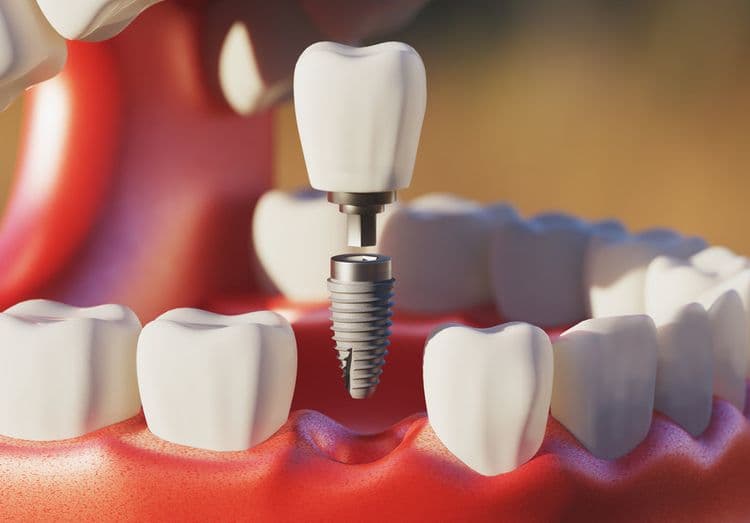
Recovery time after dental implant removal is a complex process influenced by various factors such as the patient’s age, health condition, and the need for bone grafting. While initial healing might occur within days, complete recovery may extend over several weeks or months due to bone remodeling. Proper post-operative care and dietary adjustments play pivotal roles in this process. Understanding these factors provides critical insights into ensuring a smooth and effective recovery journey.
Factors Influencing Recovery Time
Several factors can influence the recovery time after dental implant removal, each playing a essential role in determining the overall healing process. Healing factors such as the patient’s age, overall health, and the presence of systemic conditions like diabetes greatly affect recovery variations. Bone quality and density at the implant site are critical; denser bone may facilitate faster healing. Additionally, the extent of bone grafting performed during the initial implant placement can influence the healing timeline. Smoking and alcohol consumption are known to impede recovery, prolonging the process. The method of implant removal also plays a role; less invasive techniques typically result in quicker recovery periods. Understanding these factors allows for more accurate predictions of individual recovery timelines, ensuring tailored patient care.
Immediate Post-Removal Care
Following dental implant removal, immediate post-removal care is vital for minimizing complications and promoting ideal healing. It begins with controlling bleeding and managing pain. Patients are typically advised to apply gauze to the extraction site for hemostasis. Pain management may include prescribed analgesics. Oral hygiene is essential during this period; gentle rinsing with saline solution helps maintain cleanliness while avoiding vigorous mouthwash use that may disturb the site. Brushing should be done cautiously, avoiding the surgical area to prevent irritation. A soft diet is recommended to minimize stress on healing tissues. Ensuring adherence to these post removal care guidelines considerably reduces the risk of infection and promotes optimal healing outcomes. Regular follow-up appointments are important for monitoring recovery progress.
Stages of Healing
The stages of healing following dental implant removal are critical to ensuring successful recovery. The process begins with the initial healing phase, where the body responds to tissue trauma by forming a blood clot, followed by the tissue regeneration process that involves granulation and epithelialization. Finally, bone recovery is essential, as it entails osteointegration and remodeling over several weeks to months, restoring the structural integrity of the jawbone.
Initial Healing Phase
In the aftermath of dental implant removal, the initial healing phase is marked by a cascade of biological processes vital for recovery. During this phase, patients typically experience initial symptoms such as localized swelling, discomfort, and minor bleeding. These symptoms are anticipated and should gradually diminish over several days. Healing expectations during this stage focus on the stabilization of the extraction site, achieved through the formation of a blood clot. This clot acts as a protective barrier, preventing infection and facilitating the next stages of healing. The body’s inflammatory response plays a significant role, mobilizing immune cells to the site, which aids in cleaning debris and bacteria. Adhering to post-operative care instructions is essential to guarantee ideal healing progress.
Tissue Regeneration Process
As the initial healing phase concludes, attention shifts to the tissue regeneration process, a vital component in dental implant removal recovery. During this stage, the body’s intricate mechanisms work to restore integrity to the affected area. Various tissue types, including epithelial and connective tissues, play essential roles in this regenerative phase. The epithelial tissue aids in covering the wound site, while connective tissues contribute to structural support and stability. Healing factors, such as growth factors and cytokines, orchestrate cellular activities, promoting cell proliferation and differentiation. This complex interplay guarantees that the wound environment is conducive to efficient tissue regrowth. Monitoring these processes is critical, as they directly impact the overall recovery outcome, emphasizing the importance of understanding tissue-specific responses.
Bone Recovery Timeline
During the bone recovery timeline following dental implant removal, understanding the stages of healing becomes essential. Initially, the body initiates a hemostatic response to cease bleeding, followed by an inflammatory phase where immune cells remove debris. Subsequently, the proliferative phase begins, marked by osteoblast activity that contributes to new bone matrix formation, vital for restoring bone density. The remodeling phase, extending over several months, involves the resorption of immature bone and the deposition of mature bone, enhancing bone density. Several healing factors, including patient age, systemic health, and site-specific vascularization, influence the pace and effectiveness of bone regeneration. Monitoring these factors guarantees the successful integration of the new bone structure, facilitating peak recovery post-dental implant removal.
Managing Pain and Discomfort
Post-operative management of pain and discomfort following dental implant removal is essential for patient recovery. Effective pain relief options include the use of prescribed analgesics and over-the-counter medications, while non-pharmacological methods may also be beneficial. Additionally, techniques for reducing swelling, such as applying cold compresses and maintaining proper head elevation, can greatly enhance comfort during the healing process.
Pain Relief Options
Effective pain relief is essential for managing discomfort following dental implant removal. Over the counter medications, such as ibuprofen or acetaminophen, are commonly recommended to alleviate mild to moderate pain. These analgesics function by targeting the body’s pain pathways, effectively reducing discomfort. Patients should adhere to the recommended dosages to minimize potential side effects.
In addition to pharmaceuticals, natural remedies can offer complementary pain relief. Applying a cold compress to the affected area can numb pain and reduce immediate discomfort. Herbal teas, such as chamomile or peppermint, possess anti-inflammatory properties that may aid in pain management. Additionally, consuming soft, cool foods like yogurt or smoothies can provide relief by avoiding irritation to the healing site. These options collectively contribute to a thorough pain management strategy.
Swelling Reduction Tips
Addressing swelling is a significant aspect of managing discomfort following dental implant removal. Swelling typically peaks within 48-72 hours post-procedure and gradually subsides. Ice therapy is an effective initial intervention. Applying ice packs intermittently for 15-20 minutes every hour can constrict blood vessels, reducing inflammation and numbing the area. This method minimizes swelling and provides temporary pain relief. Additionally, herbal remedies offer a natural adjunct to conventional approaches. Arnica montana, renowned for its anti-inflammatory properties, can be applied topically or taken orally to alleviate swelling. Chamomile, another potent anti-inflammatory herb, can be consumed as a tea or applied externally. These strategies, when combined, contribute to a more comfortable and expedited recovery process by effectively managing swelling and associated discomfort.
Dietary Considerations During Recovery
How does one guarantee ideal healing after dental implant removal? Dietary considerations play a significant role in the recovery process. Patients are advised to consume soft foods to minimize strain on the surgical site. Options such as mashed potatoes, yogurt, and soups are recommended for their gentle texture and ease of consumption. Additionally, the importance of hydration cannot be overstated. Adequate fluid intake aids in maintaining oral moisture, supporting the healing of tissues, and preventing complications. Water should be the primary source of hydration, while sugary or carbonated beverages should be avoided. Nutrient-dense, easily digestible meals contribute to the best recovery, ensuring that the body receives essential vitamins and minerals important for tissue regeneration and overall health during the post-operative phase.
Signs of Complications to Watch For
While proper dietary considerations support recovery, monitoring for signs of complications following dental implant removal is paramount. Early detection of infection signs is critical. Patients should observe for symptoms such as persistent swelling, redness, or warmth in the area, which may indicate infection. Additionally, unusual bleeding beyond the initial post-operative period warrants attention, as it could suggest an underlying issue. Increased pain, not alleviated by prescribed medications, may also signify complications. A foul odor or discharge from the site is another potential infection indicator. Fever and malaise are systemic signs that should not be ignored. Promptly addressing these symptoms with a dental professional can prevent further complications and guarantee a smoother recovery process. Meticulous observation is key to identifying these potential issues early.
Importance of Follow-Up Appointments
Follow-up appointments play an essential role in the recovery process after dental implant removal. These post removal checkups are vital for evaluating the healing of the extraction site and ensuring that no complications arise. During these appointments, dental professionals conduct thorough evaluations to monitor the patient’s dental health. They observe the gum tissue for signs of infection or abnormal healing patterns. Additionally, radiographic imaging may be utilized to examine bone density and structural integrity. Regular dental health monitoring allows for the timely identification and management of any adverse developments. These appointments provide an opportunity for practitioners to offer tailored advice on oral hygiene practices, further promoting ideal recovery. Overall, follow-up appointments are imperative for ensuring a successful post-operative course.
Tips for a Faster Recovery
In addition to the importance of follow-up appointments, there are several practical measures patients can take to expedite recovery after dental implant removal. Emphasizing hydration importance, patients should maintain adequate fluid intake to support healing and reduce the risk of complications. Water aids in flushing out toxins, promoting tissue repair, and maintaining oral hygiene. Rest strategies are equally essential; patients should allocate sufficient time for rest and avoid strenuous activities that could hinder the healing process. Elevating the head during sleep can minimize swelling. Additionally, a balanced diet rich in vitamins and minerals is advisable to support recovery. Adhering to prescribed medications, including pain relievers and antibiotics, guarantees ideal healing. These combined strategies effectively facilitate a more rapid and efficient recovery.
Long-Term Oral Health After Implant Removal
Maintaining long-term oral health after dental implant removal is vital to prevent complications and assure ideal functionality of the mouth. Post-removal, individuals must prioritize diligent oral hygiene to reduce the risk of infection and facilitate optimal recovery. Routine practices, such as brushing twice daily and flossing, contribute considerably to maintaining healthy gums and teeth. Regular dental check-ups are essential for monitoring oral health and identifying potential issues early. Long term benefits of consistent oral hygiene include reduced susceptibility to periodontal disease and decreased risk of bone loss. Proper nutrition, including adequate calcium and vitamin D intake, supports bone strength and overall oral health. By adhering to these guidelines, individuals can achieve sustained oral wellness and maintain the structural integrity of remaining teeth.
Frequently Asked Questions
Can I Exercise During Dental Implant Removal Recovery?
The current question addresses the feasibility of engaging in physical activities post surgery. Recovery guidelines suggest avoiding strenuous exercise to guarantee proper healing. Consulting a healthcare professional for personalized advice on post surgery activities is recommended.
How Long Until I Can Wear Dentures After Implant Removal?
The patient inquired about the appropriate duration before wearing immediate dentures post-implant removal. Generally, a healing period of several weeks to a few months is necessary to guarantee ideal oral tissue recovery before denture fitting.
Will My Speech Be Affected After Implant Removal?
Speech clarity may be temporarily affected after implant removal due to changes in dental health. The extent of impact varies depending on individual circumstances, including the location of the implant and the overall condition of surrounding oral structures.
Is It Normal to Experience Changes in Taste After Removal?
Experiencing taste alterations and sensory changes is possible after implant removal. These changes can result from nerve disturbance or healing processes. Patients should monitor symptoms and consult healthcare providers if changes persist beyond the expected recovery period.
Can I Travel by Air Shortly After Dental Implant Removal?
Air travel shortly after dental implant removal is generally possible. However, it is advisable to follow recovery tips, such as managing swelling and pain, to guarantee comfort and prevent complications during the flight. Consult a dentist beforehand.