

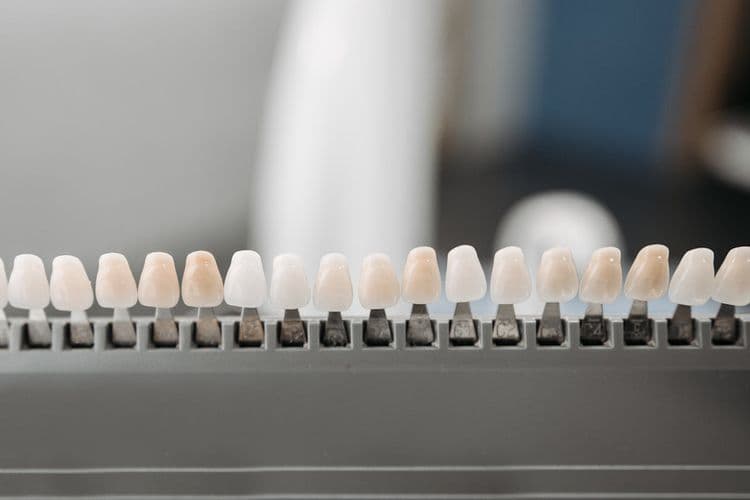
Brown stains between teeth that resist regular brushing can signal more than just surface discoloration. These persistent marks often stem from various factors including dietary habits, tobacco use, and inadequate oral hygiene. In some cases, they may indicate underlying dental issues requiring attention. Understanding the causes and potential treatments is essential for effective management and maintaining oral health.
Common Causes of Brown Stains Between Teeth
Although brown stains between teeth can be influenced by various factors, the most common causes include the accumulation of plaque and tartar, dietary habits, and certain lifestyle choices. Stain formation often begins when plaque—a sticky film of bacteria—builds up along the gum line and between teeth. If not removed, plaque hardens into tartar, which is more difficult to eliminate and can cause persistent discoloration. Additionally, the integrity of tooth enamel plays a critical role; enamel erosion or damage increases susceptibility to staining as it exposes underlying dentin, which is naturally darker. Poor oral hygiene, smoking, and inadequate dental care further exacerbate stain development. Understanding these primary causes is essential for effective prevention and treatment of brown stains between teeth.
How Diet Impacts Teeth Discoloration
Numerous dietary components greatly influence the development of brown stains between teeth. Specific dietary choices, such as frequent consumption of dark-colored foods and drinks, contribute considerably to tooth discoloration. Beverages like coffee, tea, red wine, and cola contain chromogens, which are pigmented compounds that adhere to tooth enamel, promoting stain formation. Additionally, acidic foods and drinks can erode enamel, making teeth more susceptible to staining. High sugar intake indirectly exacerbates discoloration by fostering bacterial growth and plaque accumulation, which trap pigments against teeth. Conversely, diets rich in fruits and vegetables that stimulate saliva production may help reduce stain accumulation. Understanding the beverage effects and overall dietary patterns is essential in addressing and preventing persistent brown stains between teeth.
The Role of Oral Hygiene in Preventing Stains
Effective oral hygiene practices play a critical role in preventing the formation and persistence of brown stains between teeth. Proper brushing frequency, ideally twice daily using fluoride toothpaste, helps remove surface plaque and food particles that contribute to discoloration. In addition to brushing, the implementation of effective flossing techniques is essential to clean interdental spaces where stains commonly develop. Flossing disrupts plaque accumulation and reduces the risk of stain adherence in these hard-to-reach areas. Consistency in maintaining these oral hygiene habits minimizes the buildup of chromogens—compounds responsible for brown staining—thereby preserving tooth color. Regular dental check-ups complement daily care by enabling professional cleaning and early detection of persistent stains, ensuring peak oral health and aesthetic outcomes.
Effects of Smoking and Tobacco Use on Teeth
When tobacco products are used, the chemicals they contain contribute significantly to the development of brown stains between teeth. Tobacco effects include the deposition of tar and nicotine, which adhere to dental surfaces, leading to persistent discoloration. Smoking stains are particularly difficult to remove with regular brushing due to their strong bonding with enamel. Additionally, tobacco use promotes plaque buildup and reduces saliva flow, further exacerbating stain formation and oral hygiene challenges. The cumulative impact of tobacco effects results in a higher prevalence of brown stains between teeth among smokers and users of other tobacco products. Understanding these effects is essential for effective stain management and highlights the importance of cessation in maintaining dental aesthetics and overall oral health.
Dental Conditions That Contribute to Brown Stains
Several dental conditions can contribute to the formation of brown stains between teeth by altering the surface texture or promoting bacterial accumulation. Dental plaque, a sticky biofilm composed of bacteria and food debris, readily accumulates in interdental spaces, leading to discoloration if not adequately removed. Enamel erosion, caused by acidic foods, beverages, or gastric reflux, thins and roughens the enamel surface, increasing susceptibility to stain adherence. Additionally, conditions such as dental caries create localized enamel defects that trap pigments, exacerbating brown staining. Poor oral hygiene further facilitates plaque buildup and enamel demineralization, compounding stain formation. Understanding these contributing conditions highlights the importance of maintaining enamel integrity and controlling plaque to prevent persistent brown stains between teeth.
Professional Treatments for Removing Brown Stains
Addressing brown stains between teeth often requires interventions beyond routine oral hygiene, particularly when underlying dental conditions contribute to persistent discoloration. Professional treatments such as laser whitening offer targeted removal of deep-set stains by using focused light energy to break down pigmentation, enhancing tooth brightness without damaging surrounding tissues. For structural defects or enamel erosion associated with discoloration, dental bonding provides an effective solution by applying a tooth-colored resin to the affected areas, masking stains and restoring aesthetics. Both methods require evaluation by a dental professional to determine suitability based on the stain’s origin and severity. These treatments, performed in clinical settings, guarantee precise, safe, and lasting results unattainable through conventional cleaning, thereby greatly improving dental appearance and patient confidence.
At-Home Remedies and Preventative Measures
At-home remedies for brown stains between teeth often focus on natural cleaning methods such as oil pulling and baking soda paste. Consistent daily oral hygiene, including proper brushing and flossing techniques, plays a critical role in preventing stain formation. These measures can complement professional treatments to maintain dental aesthetics and health.
Effective Natural Cleaning Methods
Implementing natural cleaning methods can markedly reduce the appearance of brown stains between teeth while promoting overall oral health. Utilizing natural toothpaste formulations that often contain minimal abrasives and botanical extracts can help gently remove surface discoloration without damaging enamel. Additionally, baking soda serves as an effective mild abrasive and pH neutralizer; its regular, controlled use aids in loosening and lifting stains. Mixing a small amount of baking soda with water to form a paste and applying it carefully between teeth can enhance cleaning efficacy. These natural options support stain reduction by targeting extrinsic discoloration factors such as plaque and food pigments. However, consistent application and moderation are essential to avoid enamel erosion. Combining these methods with professional dental advice guarantees ideal results in managing persistent brown stains.

Daily Oral Hygiene Tips
Although natural cleaning methods contribute greatly to reducing brown stains, maintaining consistent daily oral hygiene is essential for preventing their recurrence. Proper brushing frequency—at least twice daily—is recommended to remove surface stains and plaque that accumulate between teeth. Effective flossing techniques are equally important, as they target areas inaccessible to toothbrushes, preventing stain buildup in interdental spaces. Using a soft-bristled toothbrush and fluoride toothpaste enhances cleaning without damaging enamel. Additionally, rinsing with an antimicrobial mouthwash can reduce bacteria contributing to discoloration. Regular replacement of toothbrushes every three months guarantees peak efficacy. Adhering to these daily oral hygiene practices minimizes the risk of persistent brown stains and promotes overall dental health, reducing dependence on more invasive treatments.
When to See a Dentist About Persistent Stains
Persistent brown stains between teeth may indicate underlying dental issues that require professional evaluation. Signs such as bleeding gums, sensitivity, or changes in tooth texture warrant a dental consultation. Dentists can offer targeted treatments, including professional cleaning and restorative procedures, to effectively address these stains.
Signs of Serious Issues
When should one consider consulting a dental professional regarding brown stains between teeth? Persistent discoloration may signal underlying issues requiring prompt attention. It is essential to differentiate cosmetic concerns from health risks such as gum disease or enamel erosion.
Signs indicating the need for professional evaluation include:
- Brown stains accompanied by bleeding, swelling, or tenderness in the gums, suggesting gum disease.
- Visible thinning or translucency of enamel near the stained areas, indicating enamel erosion.
- Stains that resist thorough brushing and flossing over several weeks.
- Accompanying symptoms such as tooth sensitivity or pain.
Early diagnosis can prevent progression of dental conditions and preserve oral health. Persistent brown stains should not be ignored when these signs are present.
Professional Treatment Options
If brown stains between teeth do not respond to regular oral hygiene practices, dental professionals can offer targeted treatment options to address both cosmetic and underlying health concerns. Teeth whitening procedures are commonly used to remove extrinsic discoloration caused by surface stains. For deeper or intrinsic stains, dentists may recommend dental bonding, which involves applying a tooth-colored resin to conceal discoloration and restore tooth appearance. Persistent stains may also indicate underlying issues such as decay or enamel defects, necessitating professional evaluation. Early intervention by a dentist guarantees appropriate diagnosis and tailored treatment, preventing progression of dental problems. Patients experiencing stubborn brown stains between teeth should seek dental consultation promptly to determine the most effective treatment and maintain ideal oral health and aesthetics.
Frequently Asked Questions
Can Certain Medications Cause Brown Stains Between Teeth?
Certain medications can cause brown stains between teeth as a medication side effect, particularly those affecting saliva flow or containing chromogenic compounds. Maintaining proper oral hygiene is essential to minimize staining and preserve dental health.
Are Brown Stains Between Teeth Hereditary?
Brown stains between teeth are not directly hereditary but genetic factors can influence enamel composition and susceptibility. Proper dental hygiene remains essential in preventing discoloration, regardless of genetic predisposition, emphasizing regular cleaning and professional care.
Do Brown Stains Affect the Taste of Food?
Brown stains between teeth do not directly alter taste perception or food enjoyment. However, underlying dental issues causing discoloration might indirectly affect oral health, potentially influencing the overall sensory experience during eating.
Can Brown Stains Between Teeth Lead to Bad Breath?
Brown stains between teeth can contribute to bad breath due to bacterial accumulation. Causes of stains include poor oral hygiene, dietary habits, and smoking. Maintaining proper oral hygiene is essential to reduce stains and associated malodor.
Is Teeth Whitening Safe for Stained Areas Between Teeth?
Teeth whitening is generally safe for stain removal between teeth when performed under professional supervision. Effectiveness varies based on stain type, and some areas may require adjunctive treatments like cleaning or polishing for ideal results.