

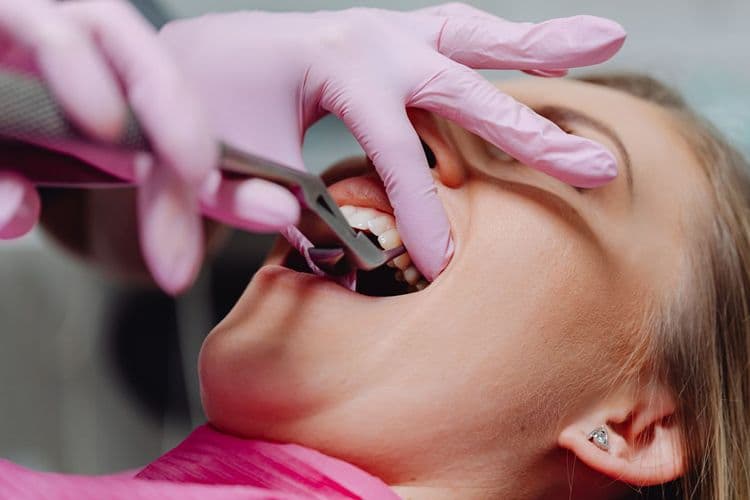
Tooth extraction, often considered routine, can result in complications manifesting years later. These issues may include shifting of adjacent teeth, bone resorption, and altered occlusion, potentially impairing oral function. Late-onset infections or nerve-related symptoms may also arise, complicating diagnosis. Understanding the long-term consequences is essential for effective management and prevention of further oral health deterioration. This overview addresses key delayed complications following tooth removal.
Common Reasons for Tooth Extraction
Tooth extraction is frequently necessitated by a range of dental conditions that compromise oral health. The most prevalent indication is advanced tooth decay, where extensive carious lesions render restoration unfeasible, increasing the risk of infection and structural failure. Additionally, periodontal disease can result in alveolar bone loss, destabilizing teeth and necessitating removal. Orthodontic issues also contribute, particularly when overcrowding impedes proper alignment; extraction facilitates corrective procedures by creating adequate space. Other common causes include impacted teeth, especially third molars, which can provoke pain, infection, or damage adjacent structures. Trauma resulting in irreparable tooth damage further justifies extraction. Each case requires thorough clinical and radiographic evaluation to determine the necessity and timing of extraction, ensuring best patient outcomes and minimizing potential complications.
Signs of Infection After Tooth Extraction
Several clinical indicators may signify infection following dental extraction, necessitating prompt recognition and intervention. Identifying these infection indicators among post extraction symptoms is critical to prevent further complications.
- Persistent pain beyond 72 hours, often throbbing and localized at the extraction site.
- Swelling that intensifies or fails to subside within the expected healing timeframe.
- Purulent discharge or foul odor emanating from the socket, indicating bacterial colonization.
- Fever or general malaise accompanied by lymphadenopathy, reflecting systemic involvement.
These signs warrant immediate clinical evaluation to initiate appropriate management, such as antimicrobial therapy or surgical intervention. Timely differentiation between normal healing and infection indicators is essential for ideal patient outcomes in post extraction care.
Nerve Damage and Its Delayed Symptoms
Nerve damage following tooth extraction can manifest as neuropraxia, axonotmesis, or neurotmesis, each varying in severity and prognosis. Symptoms may not present immediately, often emerging days to weeks post-procedure, complicating early diagnosis. Persistent sensory disturbances, including numbness, tingling, or pain, may indicate long-term nerve impairment requiring clinical evaluation.
Types of Nerve Injury
How do different types of nerve injuries manifest following dental extractions? Nerve damage can vary in severity, influencing the degree of sensory perception loss and the potential for nerve regeneration. Clinically, nerve injuries are categorized as follows:
- Neurapraxia: Temporary conduction block with intact nerve fibers; sensory perception is diminished but typically recovers fully due to nerve regeneration.
- Axonotmesis: Disruption of axons with preservation of connective tissue; partial sensory loss occurs, and regeneration is possible but slower.
- Neurotmesis: Complete nerve transection; results in permanent sensory deficits unless surgical repair is performed.
- Mixed Injuries: Combination of the above types, leading to variable sensory deficits and unpredictable regeneration outcomes.
Understanding these distinctions is essential for prognosis and management of delayed nerve injury symptoms post-extraction.
Symptom Onset Timeline
The onset of sensory symptoms following dental extractions can range from immediate to delayed presentations, reflecting the underlying nature and severity of nerve injury. Immediate symptoms typically indicate direct nerve trauma incurred during the procedure, whereas delayed symptoms may emerge weeks or months later due to progressive nerve degeneration or secondary inflammatory processes. The tooth healing process and associated tissue remodeling can influence the recovery timeline, potentially masking or exacerbating nerve dysfunction. Clinicians must recognize that symptom onset does not always correlate with the timing of injury; delayed neuropathic manifestations require thorough evaluation to differentiate from other postoperative complications. Accurate documentation of symptom chronology is essential for diagnosis, prognosis, and management, as it provides critical insight into the pathophysiology of nerve injury and guides appropriate intervention strategies.
Long-Term Sensory Effects
Persistent sensory disturbances following tooth extraction often reflect underlying nerve injury that may not resolve within the typical healing period. Such injuries can lead to long term pain and sensory loss, manifesting months or even years post-procedure. Clinicians recognize the following key characteristics of these delayed symptoms:
- Paresthesia: abnormal tingling or numbness in the affected area.
- Dysesthesia: unpleasant, often painful sensations triggered by non-painful stimuli.
- Hypoesthesia: reduced sensitivity to touch or temperature changes.
- Allodynia: pain resulting from stimuli that do not normally provoke pain.
These sensory changes indicate possible damage to the inferior alveolar or lingual nerves. Early identification and management are critical to mitigate permanent deficits and improve patient outcomes.
Impact on Adjacent Teeth and Bone Structure
Although tooth extraction is a common dental procedure, it can considerably affect adjacent teeth and the surrounding bone structure. The removal of a tooth creates a gap that often leads to adjacent tooth shifting, compromising occlusion and functional alignment. This displacement can increase the risk of malocclusion and periodontal stress on neighboring teeth. Concurrently, the extraction site undergoes bone loss progression due to the absence of mechanical stimulation, resulting in alveolar ridge resorption. Such bone remodeling can complicate future dental restorations, including implants or bridges, by reducing available bone volume and density. Continuous monitoring of the extraction site is essential to detect and manage these structural changes promptly. Understanding these sequelae aids in mitigating long-term complications and optimizing post-extraction rehabilitation strategies.
Development of Dry Socket Long After Extraction
The development of dry socket can occasionally present with delayed symptoms, emerging several days post-extraction. Late onset dry socket is often attributed to factors such as premature clot dislodgement or infection. Management of these cases requires targeted treatment protocols to alleviate pain and promote healing.
Dry Socket Delayed Symptoms
When do symptoms of dry socket manifest if not immediately after tooth extraction? Although dry socket typically presents within 3 to 5 days post-extraction, delayed healing can cause symptoms to appear much later. Such delayed onset complicates diagnosis and patient management.
Key features of delayed dry socket symptoms include:
- Persistent or recurring localized pain at the extraction site weeks after the procedure.
- Absence of the protective blood clot exposing alveolar bone.
- Foul odor or taste emanating from the extraction wound.
- Increased sensitivity to temperature changes or palpation in the affected area.
Delayed symptom manifestation necessitates thorough clinical evaluation to differentiate from other post-extraction complications and to implement appropriate intervention strategies promptly.
Causes of Late Dry Socket
Late manifestation of dry socket symptoms often indicates underlying factors that disrupt normal healing processes well beyond the immediate postoperative period. Causes of late dry socket include inadequate post extraction care, which may lead to premature dislodgement of the blood clot essential for socket healing. Poor oral hygiene contributes to bacterial colonization and infection, impairing tissue regeneration and prolonging inflammation. Additionally, systemic conditions such as diabetes or immunosuppression can compromise healing, increasing susceptibility to late dry socket development. Mechanical trauma from aggressive rinsing or smoking can further destabilize the clot months after extraction. Recognition of these factors underscores the importance of continuous adherence to post extraction care protocols and maintenance of ideal oral hygiene to minimize risks of delayed dry socket occurrence.
Treatment for Late Dry Socket
Although the development of dry socket long after extraction is uncommon, it necessitates prompt and targeted intervention to alleviate pain and promote healing. Late dry socket requires a systematic approach focused on symptom control and tissue recovery. The primary treatment options include:
- Thorough irrigation of the socket to remove debris and reduce bacterial load.
- Application of medicated dressings, such as eugenol or antimicrobial agents, to soothe exposed bone.
- Prescription of analgesics and anti-inflammatory medications for effective pain management.
- Close follow-up to monitor healing progress and prevent secondary infection.
These treatment options aim to restore the clot and promote mucosal regeneration, minimizing complications associated with late dry socket. Early diagnosis and intervention remain critical to optimize patient outcomes.
Sinus Complications Linked to Upper Tooth Removal
Since the maxillary sinus lies in close proximity to the roots of the upper posterior teeth, extraction procedures in this region carry an inherent risk of sinus complications. Oroantral communication or fistula formation may occur if the sinus membrane is perforated during extraction. Such breaches can lead to dental sinusitis, characterized by infection spreading from the oral cavity into the sinus. Patients may present with sinusitis symptoms including nasal congestion, facial pain or pressure, purulent nasal discharge, and postnasal drip following tooth removal. Radiographic evaluation assists in confirming sinus involvement. Prompt diagnosis and management are essential to prevent chronic sinus infection or further complications. Treatment typically involves antibiotic therapy and, if necessary, surgical closure of the oroantral communication. Awareness of these risks underscores the importance of careful surgical technique during upper tooth extractions.
Changes in Bite and Jaw Alignment Over Time
How does tooth extraction influence occlusion and mandibular positioning over time? Following extraction, the absence of a tooth can induce changes in bite adjustment and jaw alignment, potentially leading to functional and symptomatic issues. Key factors include:
Opposing teeth supra-eruption, altering occlusal contacts.
Adjacent teeth drifting into the extraction site, causing malocclusion.
Modified mandibular positioning due to uneven occlusal forces.
Development of jaw discomfort stemming from altered temporomandibular joint dynamics.
These biomechanical shifts may progressively exacerbate bite discrepancies and provoke musculoskeletal strain. Clinical monitoring is essential to detect maladaptive occlusal changes early. Understanding these mechanisms underscores the importance of evaluating long-term occlusal stability after tooth extraction to mitigate potential complications involving bite adjustment and jaw discomfort.
Preventive Measures and When to Seek Care
The biomechanical alterations following tooth extraction necessitate targeted preventive strategies to maintain occlusal integrity and minimize functional disturbances. Preventive techniques include the timely placement of prosthetic replacements such as implants, bridges, or partial dentures to preserve adjacent teeth positioning and bite alignment. Regular dental check ups are critical to monitor occlusal changes and detect early signs of complications. Patients should be educated on the importance of maintaining oral hygiene and adhering to follow-up schedules to prevent secondary issues like periodontal disease or malocclusion. Immediate consultation with a dental professional is warranted if symptoms such as persistent discomfort, shifting teeth, or difficulties in mastication arise. Early intervention can mitigate long-term sequelae and optimize functional outcomes following tooth extraction.
Frequently Asked Questions
Can Tooth Extraction Affect My Overall Immune System Years Later?
Tooth extraction typically does not affect the overall immune response years later. However, unresolved dental infections post-extraction may modulate systemic immunity, potentially leading to chronic inflammatory conditions requiring clinical evaluation for ideal immune system management.
Is It Normal to Experience Tooth Sensitivity Years After Extraction?
Tooth sensitivity years after extraction is uncommon but possible, often linked to residual nerve damage or adjacent teeth changes. Persistent symptoms warrant clinical evaluation to exclude complications such as nerve injury or secondary dental issues.
How Does Smoking Influence Long-Term Healing Post-Extraction?
Smoking effects greatly impair the healing process post-extraction by reducing blood flow, delaying tissue regeneration, and increasing infection risk. Consequently, long-term recovery is compromised, potentially leading to persistent complications and prolonged discomfort.
Are There Any Dietary Restrictions Years After Tooth Extraction?
No specific dietary restrictions apply years after tooth extraction; however, maintaining a balanced diet including soft foods can support oral healing. Consistent oral hygiene remains essential to prevent complications and guarantee long-term dental health.
Can Tooth Extraction Lead to Chronic Bad Breath Over Time?
Chronic bad breath can occasionally result from tooth extraction if residual infection or poor oral hygiene persists. Maintaining rigorous oral hygiene is essential to prevent bacterial buildup, which is the primary contributor to halitosis following dental procedures.