

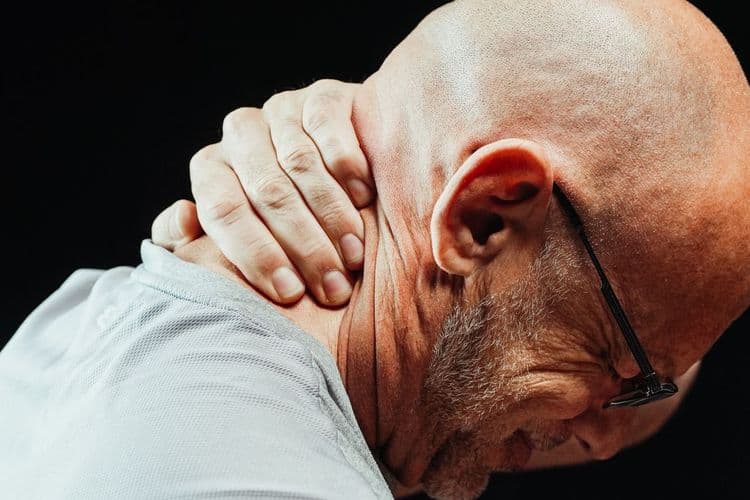
Malocclusion, commonly referred to as a bad bite, is known to disrupt the biomechanics of the temporomandibular joint and surrounding musculature. This disruption can lead to abnormal stress distribution in the cervical region, potentially resulting in chronic neck pain. Understanding the biomechanical pathways linking dental occlusion to cervical discomfort is essential for accurate diagnosis and effective intervention. The complexity of this relationship warrants a detailed examination of underlying mechanisms and clinical implications.
Understanding Malocclusion and Its Types
Malocclusion refers to the misalignment of teeth and improper fitting of the upper and lower dental arches when the jaws close. It is classified into distinct malocclusion types, primarily Class I, Class II, and Class III, based on the anteroposterior relationship of the dental arches. Class I malocclusion involves normal molar relationships with crowding or spacing issues. Class II is characterized by a retruded mandible or protruded maxilla causing an overbite, whereas Class III presents a protruded mandible or retruded maxilla, resulting in an underbite. Accurate bite assessment is essential in diagnosing malocclusion types, utilizing clinical examination and imaging techniques to evaluate occlusal contacts, jaw relationships, and functional dynamics. This foundational understanding facilitates targeted orthodontic or surgical interventions.
How a Bad Bite Affects Jaw Alignment
When the dental arches do not align properly, the resulting bite discrepancy can cause significant alterations in jaw positioning. Malocclusion disrupts the harmonious interaction between the maxilla and mandible, leading to compensatory shifts in mandibular posture to achieve occlusal contact. These positional changes can impair normal jaw function by placing abnormal stresses on the temporomandibular joints and associated musculature. Over time, this maladaptive positioning may contribute to joint strain and muscular imbalance. Bite therapy aims to restore ideal occlusion and jaw alignment through interventions such as occlusal adjustment, orthodontics, or splint therapy. By correcting the bite, bite therapy facilitates proper mandibular positioning, normalizing jaw function and reducing abnormal biomechanical forces. Consequently, addressing malocclusion is critical in maintaining functional jaw alignment and preventing secondary complications.
The Link Between Jaw Misalignment and Neck Pain
Although jaw misalignment primarily affects the temporomandibular joint and masticatory muscles, its impact frequently extends to the cervical spine. Altered jaw function can disrupt the neuromuscular control of head and neck muscles, resulting in compensatory postural adaptations. These adaptations often manifest as increased cervical muscle tension and changes in vertebral alignment. The posture impact of jaw misalignment contributes to biomechanical stress within the cervical region, potentially provoking neck discomfort and restricted range of motion. Research indicates that deviations in occlusion influence head positioning, which in turn affects the cervical spine’s load distribution. Consequently, persistent jaw dysfunction may exacerbate or initiate neck pain through interconnected musculoskeletal and neurophysiological pathways. Understanding this link underscores the importance of thorough assessment in patients presenting with concurrent jaw and neck complaints.
Common Symptoms Associated With Bite-Related Neck Discomfort
Patients experiencing jaw misalignment often report a spectrum of symptoms extending beyond the orofacial region, particularly affecting the cervical area. Common manifestations of bite-related neck discomfort include persistent neck stiffness, muscle tension, and limited range of motion. These symptoms correlate with altered dental alignment, which can disrupt the normal biomechanics of the temporomandibular joint, leading to compensatory muscle strain in the cervical musculature. Additionally, individuals may experience referred pain radiating from the jaw to the neck, headaches, and sensations of fatigue in the neck muscles. Bite discomfort often exacerbates these symptoms, reflecting the interconnected nature of dental alignment and cervical musculoskeletal function. The recognition of this symptom complex is critical for understanding the broader impact of malocclusion on postural and musculoskeletal health.
Diagnosing Bite Problems That May Cause Neck Pain
Accurate diagnosis of bite problems contributing to neck pain requires identification of specific misalignment indicators such as occlusal discrepancies and abnormal mandibular movements. Clinical examination is complemented by imaging techniques like cephalometric analysis and panoramic radiographs to assess structural anomalies. Additionally, neck pain diagnostic methods including musculoskeletal evaluations and nerve conduction studies help establish the correlation between dental occlusion and cervical symptoms.
Bite Misalignment Indicators
Identifying bite misalignment requires careful evaluation of dental occlusion patterns and their correlation with musculoskeletal symptoms. A thorough bite assessment involves examining the contact points between upper and lower teeth during static and dynamic jaw movements. Malocclusion indicators include uneven wear facets, premature contacts, and deviations in mandibular closure paths. Alignment evaluation also assesses asymmetries in dental arches and the presence of crossbites or open bites, which can alter neuromuscular function. Such irregularities may contribute to abnormal strain on cervical musculature, potentially manifesting as neck pain. Objective measurement tools, including articulating paper and occlusal analysis devices, assist in quantifying bite discrepancies. Recognizing these bite misalignment indicators is critical for diagnosing occlusal dysfunctions that may underlie or exacerbate cervicogenic discomfort, guiding targeted therapeutic interventions.
Neck Pain Diagnostic Methods
Multiple diagnostic methods are employed to evaluate the potential contribution of bite problems to neck pain, integrating clinical examination with instrumental analysis. Physical examination assesses cervical range of motion, muscle tenderness, and postural deviations, while simultaneously evaluating occlusal relationships and temporomandibular joint (TMJ) function. Palpation of masticatory muscles and cervical structures helps identify myofascial trigger points potentially linked to malocclusion. Diagnostic imaging techniques such as panoramic radiographs, cephalometric analysis, and cone-beam computed tomography (CBCT) provide detailed visualization of dental and skeletal alignment, TMJ morphology, and cervical spine integrity. These modalities facilitate detection of structural anomalies or degenerative changes that may correlate with bite dysfunction. Thorough assessment combining physical examination and diagnostic imaging is essential for accurate identification of etiological factors connecting bite abnormalities to neck pain.
Treatment Options for Correcting a Bad Bite
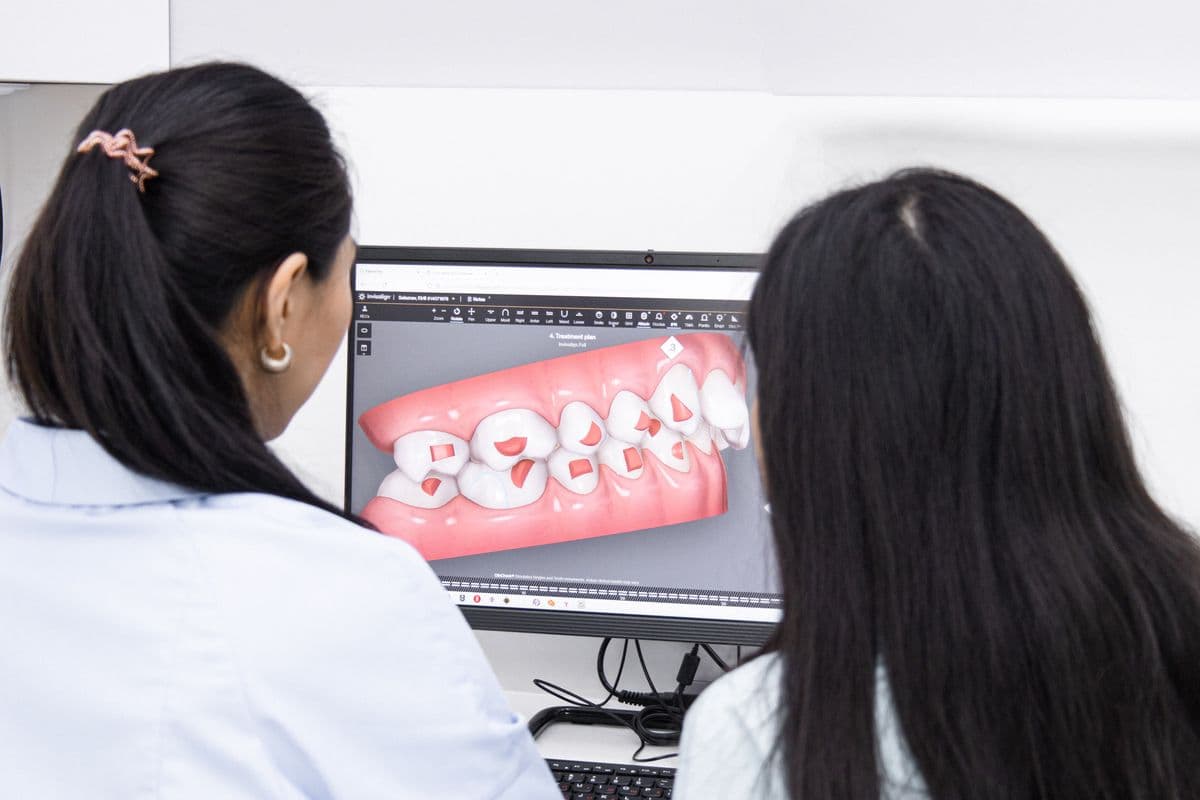
When addressing a bad bite, treatment options vary depending on the severity and underlying causes of the malocclusion. Orthodontic treatments are commonly employed to realign teeth and correct occlusal discrepancies, utilizing braces or clear aligners to gradually reposition dentition. In cases where jaw alignment contributes to the malocclusion, dental appliances such as splints or bite plates may be prescribed to modify jaw posture and occlusal contacts. Severe skeletal discrepancies might necessitate orthognathic surgery in conjunction with orthodontics to achieve functional occlusion. Additionally, restorative procedures like crowns or bridges can adjust occlusal surfaces to improve bite relationships. Treatment planning requires thorough evaluation by dental specialists to select the appropriate modality, ensuring correction of the bite to potentially alleviate associated musculoskeletal symptoms, including neck pain.
Exercises and Therapies to Relieve Neck Pain From Bite Issues
A range of targeted exercises and therapeutic interventions can effectively alleviate neck pain associated with malocclusion. Physical therapy plays a critical role by addressing muscle imbalances and improving posture. Specific neck stretches enhance flexibility and reduce muscular tension caused by improper bite alignment. Commonly recommended exercises and therapies include:
- Cervical stabilization exercises to strengthen neck muscles
- Myofascial release techniques targeting tight jaw and neck muscles
- Guided neck stretches to restore range of motion
- Postural training to correct compensatory head and neck positioning
These interventions aim to mitigate the biomechanical strain resulting from bite dysfunction, thereby reducing chronic neck discomfort. Implementing a structured regimen under professional supervision guarantees safety and maximizes therapeutic outcomes.
When to Consult a Specialist for Persistent Neck Pain
Persistent neck pain lasting beyond several weeks despite conservative treatment warrants professional evaluation. Accurate identification of the pain’s etiology is essential to direct appropriate care. Referral to specialists such as dentists, orthodontists, or pain management physicians depends on whether the source is dental occlusion, musculoskeletal dysfunction, or neuropathic in origin.
Identifying Persistent Pain
How long neck pain endures often determines the necessity for specialized evaluation. Persistent or chronic discomfort warrants thorough pain assessment to identify underlying causes such as a bad bite affecting cervical musculature or nerve function. Key indicators for consulting a specialist include:
- Neck pain lasting longer than 3 months despite conservative treatment
- Increasing intensity or frequency of pain episodes
- Associated symptoms like numbness, tingling, or weakness in the arms
- Limited range of motion or functional impairment affecting daily activities
Early identification of persistent pain facilitates targeted diagnostic procedures, enabling appropriate intervention. Timely pain assessment is critical to differentiate musculoskeletal origins from neuropathic or systemic etiologies, ensuring effective management and preventing long-term morbidity.
Choosing the Right Specialist
When should an individual seek specialized care for ongoing neck pain related to a bad bite? Persistent symptoms unresponsive to general treatment warrant evaluation by a specialist. Proper dentist selection is critical; professionals with advanced training in occlusal disorders, temporomandibular joint (TMJ) dysfunction, or orofacial pain should be prioritized. Specialist qualifications, such as board certification in prosthodontics, orthodontics, or orofacial pain, indicate expertise in diagnosing and managing bite-related musculoskeletal issues. Collaboration among dental specialists and medical professionals may be necessary for thorough assessment. Early consultation facilitates targeted interventions, reducing chronicity and improving outcomes. Patients experiencing continuous neck pain with suspected dental etiology should seek providers who demonstrate proficiency in both bite analysis and associated neuromuscular dysfunction to guarantee accurate diagnosis and effective treatment planning.
Frequently Asked Questions
Can Dietary Changes Help Improve Symptoms From a Bad Bite?
Dietary adjustments and nutritional supplements may support musculoskeletal health and reduce inflammation, potentially alleviating symptoms associated with a bad bite. However, these interventions are adjunctive and should complement primary dental or orthopedic treatments.
Does Teeth Grinding Worsen Neck Pain Related to Bite Issues?
Teeth grinding exacerbates neck pain associated with bite issues by increasing jaw tension and disrupting teeth alignment. This heightened muscular strain can propagate discomfort from the temporomandibular joint to cervical structures, intensifying symptom severity.
Are Children at Risk of Neck Pain Due to Bad Bites?
Children with improper bite alignment may experience musculoskeletal strain, potentially contributing to neck pain during child development. Early orthodontic assessment can mitigate such risks by promoting ideal occlusion and reducing associated cervical discomfort.
Can Stress Contribute to Bite-Related Neck Discomfort?
Stress can exacerbate bite-related neck discomfort by increasing jaw tension and bite stress, leading to muscular strain and altered temporomandibular joint function, which may contribute to referred pain and neck muscle fatigue in affected individuals.
How Long Does It Take to See Improvement After Bite Correction?
The bite correction timeline varies, typically ranging from weeks to several months. Improvement factors include the severity of the malocclusion, patient compliance, and adjunctive therapies. Early changes may be observed within four to six weeks post-intervention.