

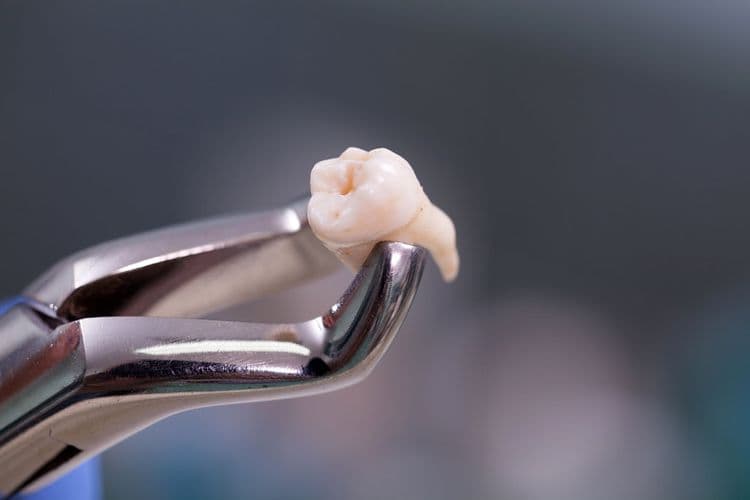
After tooth extraction, bleeding cessation typically occurs within 12 to 24 hours due to clot formation stabilizing hemostasis. Immediate post-extraction care involves applying firm pressure with sterile gauze for about 30 to 45 minutes to facilitate clot development. Normal oozing may last up to two days, shifting from bright red to a darker hue as bleeding stabilizes. However, recognizing the boundary between normal and excessive bleeding is essential for preventing complications.
Expected Bleeding Duration After Tooth Extraction
In the aftermath of a tooth extraction, how long does one anticipate bleeding to persist? Clinically, the immediate bleeding phase typically subsides within the first 12 to 24 hours post-extraction. During this initial period, hemostasis is achieved through clot formation, an important step in the bleeding timeline. The placement of a sterile gauze pad, with firm biting pressure, assists in clot stabilization. Subsequent oozing may occur for up to two days as part of the normal extraction recovery process. Monitoring changes in bleeding characteristics is vital; a shift from bright red to a darker, clot-stabilized appearance is expected. If bleeding extends beyond this typical timeline, further clinical evaluation may be required to rule out complications such as clot dislodgment or excessive patient activity.
Factors Affecting Bleeding Time
Several factors can influence the duration of bleeding following a tooth extraction, each contributing to variations in hemostatic efficiency. Bleeding disorders, such as hemophilia or von Willebrand disease, greatly impair the clotting cascade, prolonging bleeding time. Patients with these conditions often require tailored hemostatic management pre- and post-operatively. Medication effects also play an essential role; anticoagulants like warfarin or antiplatelet agents such as aspirin reduce clot formation ability, necessitating careful monitoring and potential medication adjustments around the extraction period. In addition, systemic conditions like liver disease can alter coagulation factor synthesis, exacerbating bleeding tendencies. The extent of surgical trauma and the presence of any localized infection or inflammation may also impact hemostasis, underscoring the need for individualized clinical assessment and intervention.
Immediate Post-Extraction Care
Effective management of bleeding following a tooth extraction is contingent upon implementing appropriate immediate post-extraction care. Clinically, the application of pressure using a sterile gauze pad is essential to facilitate hemostasis. Patients should maintain firm, consistent pressure for a minimum of 30 to 45 minutes post-extraction. Pain management is achieved through prescribed analgesics, which should be taken as directed to alleviate discomfort without increasing bleeding risk. Oral hygiene must be meticulously maintained, avoiding vigorous rinsing or spitting for the first 24 hours to prevent dislodging the blood clot. Instead, patients should gently rinse with a saline solution after 24 hours to minimize bacterial proliferation. These measures collectively contribute to stabilizing the extraction site and ensuring ideal healing conditions.
Recognizing Normal vs. Excessive Bleeding
A fundamental aspect of post-extraction care is the ability to distinguish between normal and excessive bleeding. Normal bleeding typically involves a gradual reduction in blood flow, with clot formation occurring within 24 hours. This is characterized by a slow oozing of blood that diminishes over time. In contrast, excessive bleeding, or postoperative hemorrhage, is marked by persistent or profuse blood flow that fails to subside, potentially indicating an underlying issue such as a dislodged clot or vascular injury. Clinicians must assess the volume and duration of bleeding, as well as patient-specific factors such as anticoagulant use or bleeding disorders. Recognizing these distinctions is vital for timely intervention, preventing complications, and ensuring ideal healing following tooth extraction.
The Role of Gauze and Pressure in Bleeding Control
Following the assessment of bleeding, immediate management techniques become necessary to control and minimize blood loss. Gauze application serves as a primary intervention in post-extraction bleeding control. Sterile gauze pads are placed directly over the extraction site, creating an important physical barrier. This barrier absorbs blood while promoting clot formation through localized pressure techniques. The patient is instructed to apply consistent, firm pressure by biting down on the gauze for approximately 30 to 45 minutes. This pressure technique not only helps in stabilizing the clot but also constricts local blood vessels through mechanical compression, facilitating hemostasis. Repeated gauze application and pressure, if necessary, are vital in managing persistent bleeding, ensuring effective wound stabilization and minimizing complications during the initial healing phase.
Foods and Drinks to Avoid During Recovery
During the recovery phase following a tooth extraction, patients are advised to avoid the consumption of acidic and spicy foods as these can irritate the extraction site and impede the healing process. Similarly, the intake of carbonated and alcoholic beverages should be minimized as they can disrupt clot formation and increase the risk of postoperative complications. Adhering to these dietary recommendations is essential for promoting ideal healing and reducing the likelihood of adverse outcomes.
Acidic and Spicy Foods
Why should acidic and spicy foods be avoided after a tooth extraction? Post-extraction recovery involves tissue repair and stabilization of the blood clot, imperative for ideal healing. Acidic foods, such as citrus fruits and vinegar-based dressings, can erode the protective clot, potentially leading to increased bleeding and delayed healing. The acidity can also cause irritation to the exposed nerve endings, exacerbating pain and discomfort. Similarly, spicy foods can stimulate salivary flow and irritate the surgical site, increasing the likelihood of bleeding and inflammation. Capsaicin, the active component in spicy foods, can intensify oral sensitivity and disrupt the fragile healing tissues. Clinicians recommend a bland, non-irritating diet to minimize complications and promote a more comfortable recovery process.
Carbonated and Alcoholic Beverages
The effervescence of carbonated beverages and the chemical properties of alcoholic drinks pose significant risks to the healing process following a tooth extraction. Carbonated drinks can dislodge the blood clot, essential for proper healing, due to their high-pressure bubbles. This disruption can lead to a condition known as alveolar osteitis or dry socket. Additionally, the acidic nature of such drinks can irritate the extraction site, prolonging recovery time. Alcoholic beverages, on the other hand, can interfere with blood clot formation, exacerbating bleeding and delaying tissue repair. Moreover, alcohol may interact negatively with prescribed analgesics or antibiotics, compromising their effectiveness. Both carbonated and alcoholic beverages are best avoided during the initial recovery period to guarantee ideal healing and minimize complications.

The Importance of Rest and Elevation
Post-extraction recovery necessitates meticulous attention to rest and elevation to mitigate bleeding and promote healing. Rest benefits include reduced physical exertion, which minimizes the risk of dislodging the blood clot essential for hemostasis. Limiting physical activity decreases systemic blood pressure, thereby reducing blood flow to the extraction site. Concurrently, elevation techniques entail maintaining the head in an elevated position above the heart level. This can be achieved by using an extra pillow during sleep or reclining in a chair at a 45-degree angle. Such elevation decreases hydrostatic pressure, consequently diminishing vascular engorgement and subsequent bleeding. These practices are integral to the post-operative protocol, facilitating ideal clot stabilization and minimizing complications, ensuring a smooth and effective recovery process.
When to Contact Your Dentist
Without a doubt, the timing of when to contact a dental professional post-extraction is critical to guaranteeing ideal recovery. Patients should be vigilant about potential complications that may necessitate immediate dental consultation. Recognizing when to worry is essential; persistent bleeding beyond 24 hours or excessive swelling may indicate underlying issues. Additional signs warranting concern include severe pain unresponsive to analgesics and a foul odor emanating from the extraction site. Moreover, signs of infection such as fever, pus discharge, or increased redness around the extraction area require prompt attention. In these scenarios, contacting a dentist without delay is imperative to prevent further complications. Timely intervention guarantees that any deviations from the expected healing trajectory are managed effectively, safeguarding the patient’s oral health.
Tips for a Smooth Healing Process
To facilitate ideal post-extraction hemostasis and tissue recovery, patients should employ proper gauze techniques by applying firm, continuous pressure on the site for the recommended duration to promote clot formation. Additionally, patients are advised to abstain from engaging in strenuous activities, as increased physical exertion can elevate blood pressure and disrupt the delicate clotting process. Adhering to these guidelines minimizes the risk of prolonged bleeding and supports efficient healing.
Proper Gauze Usage
Effective gauze usage is essential in controlling bleeding and promoting ideal healing following a tooth extraction. Clinicians recommend precise gauze placement directly over the extraction site to exert adequate pressure, facilitating clot formation. The patient should bite down firmly on the gauze to maintain this pressure. Typically, the initial gauze is positioned for 20-30 minutes post-extraction. Subsequent gauze change is necessary when it becomes saturated with blood, generally every 30-60 minutes. It is vital to guarantee each gauze change involves clean, sterile gauze to minimize infection risk. Additionally, the patient must avoid vigorous activities that might dislodge the gauze. Proper adherence to these guidelines guarantees reduced bleeding duration and fosters the ideal healing environment by stabilizing the blood clot formation.
Avoiding Strenuous Activities
Engaging in strenuous activities post-tooth extraction can considerably impede the healing process and prolong bleeding. The exertion associated with physical strain increases blood pressure, potentially disrupting the formation of a stable blood clot at the extraction site. This disruption can lead to prolonged bleeding and complications like dry socket. It is clinically advised to incorporate rest periods, allowing the body to focus on clot stabilization and tissue repair. During the initial 24-48 hours post-extraction, patients should prioritize rest, minimizing physical exertion. Light activities, such as gentle walking, can be gradually resumed as the healing process advances. Adhering to these guidelines guarantees ideal recovery, reduces complications, and facilitates effective wound healing following a tooth extraction procedure.
Frequently Asked Questions
Can Medications Taken Before Extraction Affect Bleeding Time?
Medications like blood thinners can prolong bleeding time by inhibiting platelet aggregation. Pain medications, particularly NSAIDs, may also contribute to increased bleeding risk by interfering with clotting mechanisms. Consultation with healthcare providers is essential before dental procedures.
How Does Smoking Impact Healing After Tooth Extraction?
Smoking cessation is essential to optimize healing duration post-tooth extraction. Nicotine impedes blood flow and collagen synthesis, delaying tissue repair. Clinically, patients who abstain from smoking experience expedited recovery and reduced complications compared to active smokers.
Are There Any Herbal Remedies to Help Stop Bleeding?
Herbal compresses, such as those containing yarrow or witch hazel, can aid bleeding control by promoting vasoconstriction and clot formation. Clinical studies suggest their efficacy in reducing post-extraction hemorrhage through natural tannins and anti-inflammatory properties.
Does Age Influence Bleeding Duration After Tooth Extraction?
Age-related factors considerably influence the healing processes post-extraction. Older individuals may experience prolonged bleeding due to reduced vascularity, compromised clotting mechanisms, and slower tissue regeneration, impacting overall hemostasis efficiency compared to younger counterparts with more robust healing capacities.
Can Stress or Anxiety Affect Bleeding Time Post-Extraction?
Stress and anxiety can exacerbate post-extraction bleeding by increasing blood pressure and heart rate. Effective stress management and anxiety reduction techniques, such as deep breathing exercises, may mitigate these physiological responses and promote hemostasis.