

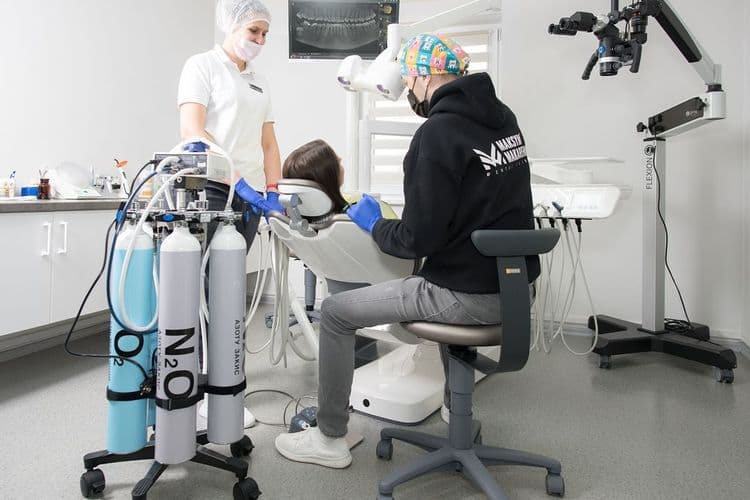
Dental anxiety affects a significant number of individuals, often leading to avoidance of necessary dental care. Sedation dentistry provides a clinical approach to alleviate this anxiety, helping patients remain calm and comfortable during procedures. By targeting the nervous system, sedation can mitigate fear and discomfort, improving overall treatment outcomes. Understanding how these techniques work and who might benefit is essential for those seeking a less stressful dental experience.
Understanding Dental Anxiety
What causes dental anxiety and how does it impact patients? Dental anxiety arises from multiple causes of anxiety, including fear of pain, negative past experiences, and feelings of helplessness during treatment. This anxiety can greatly affect patients’ willingness to seek dental care, leading to avoidance and deterioration of oral health. Understanding these causes is vital for dental professionals to provide empathetic care and tailor interventions. Various coping strategies are employed to manage dental anxiety, such as relaxation techniques, cognitive behavioral therapy, and patient education. These approaches aim to reduce fear and improve patient comfort, ultimately promoting a more positive dental experience. Recognizing and addressing dental anxiety is essential to overcoming barriers to effective oral healthcare and enhancing overall patient well-being.
How Sedation Dentistry Works
Although many patients experience anxiety during dental procedures, sedation dentistry offers an effective solution to alleviate discomfort and fear. Sedation techniques work by calming the nervous system, reducing pain perception, and promoting relaxation. Prior to treatment, obtaining patient consent is crucial to guarantee understanding and agreement regarding the sedation plan. The process typically involves:
- Assessment: Evaluating the patient’s medical history and anxiety levels to select an appropriate sedation method.
- Administration: Delivering sedation through inhalation, oral medication, or intravenous routes to achieve the desired calming effect.
- Monitoring: Continuously observing essential signs and patient responsiveness throughout the procedure to guarantee safety.
This approach allows patients to undergo dental treatments with minimized anxiety, enhancing overall comfort and cooperation.
Types of Sedation Used in Dentistry
Sedation dentistry employs various methods to help patients manage anxiety and discomfort during procedures. Common types include oral sedation, known for its ease of administration; inhalation sedation, which offers rapid onset and recovery; and intravenous sedation, used for deeper relaxation and more complex treatments. Understanding these options allows patients to make informed decisions tailored to their needs and treatment plans.
Oral Sedation Options
How can dental anxiety be effectively managed through oral medication? Oral sedation methods offer a practical approach to alleviate patient anxiety, ensuring a calmer dental experience. These medications are typically taken before the procedure and help reduce fear and discomfort.
Common oral sedation options include:
- Benzodiazepines – Such as diazepam or lorazepam; these provide mild to moderate sedation and promote relaxation.
- Non-benzodiazepine sedatives – Medications like zolpidem that have calming effects but are less commonly used in dentistry.
- Combination therapies – Sometimes, oral sedatives are combined with other medications to enhance sedation while maintaining patient safety.
Patient experiences with oral sedation methods generally report reduced anxiety and increased comfort, making dental visits more manageable for those with significant dental fears.
Inhalation Sedation Benefits
One of the most commonly used methods for managing dental anxiety is inhalation sedation, which offers several distinct benefits. Inhalation sedation effectiveness is well-documented, providing rapid onset of relaxation and anxiety relief during dental procedures. This method allows patients to remain conscious and responsive, enabling communication with the dentist throughout treatment. Additionally, inhalation sedation safety is a significant advantage, as it has a low risk of complications and is easily controlled by adjusting the gas mixture. The minimal side effects and quick recovery time make it suitable for a wide range of patients, including children and adults. Overall, inhalation sedation represents a reliable, safe, and effective approach to improving patient comfort and cooperation in dental care settings.
Intravenous Sedation Uses
Intravenous sedation plays an essential role in dental procedures requiring deeper relaxation and anxiety management. It offers controlled sedation levels, enabling patients to remain calm and comfortable throughout treatment. The IV sedation benefits include rapid onset, adjustable sedation depth, and minimal recovery time. IV sedation procedures are commonly employed in cases where local anesthesia alone is insufficient or when patients experience severe dental anxiety.
Typical intravenous sedation uses include:
- Complex oral surgeries, such as wisdom tooth extractions or implant placements, where patient immobility is critical.
- Lengthy restorative treatments requiring prolonged patient cooperation without distress.
- Patients with pronounced dental phobia or special needs, facilitating a stress-free experience.
Benefits of Sedation Dentistry
Sedation dentistry offers significant advantages by effectively reducing patient anxiety, which can otherwise hinder treatment. It also enhances comfort during procedures, making dental visits more manageable for individuals with sensitivity or fear. Additionally, sedation can facilitate faster treatment sessions by allowing patients to remain calm and still throughout the process.
Anxiety Reduction Techniques
Although dental procedures can provoke significant anxiety for many individuals, anxiety reduction techniques employed in sedation dentistry effectively create a more comfortable and manageable experience. These techniques combine psychological and physiological strategies to alleviate stress and promote relaxation. Key methods include:
- Mindfulness exercises: Helping patients focus on the present moment, reducing anticipatory anxiety by calming the mind.
- Breathing techniques: Controlled, deep breathing lowers heart rate and decreases tension, fostering a sense of calm.
- Sedative medications: Administered to reduce nervousness and promote relaxation without complete unconsciousness.
Together, these approaches address both mental and physical aspects of anxiety, enabling patients to undergo dental care with greater ease and confidence. This holistic focus on anxiety reduction enhances patient cooperation and overall treatment success.
Enhanced Procedure Comfort
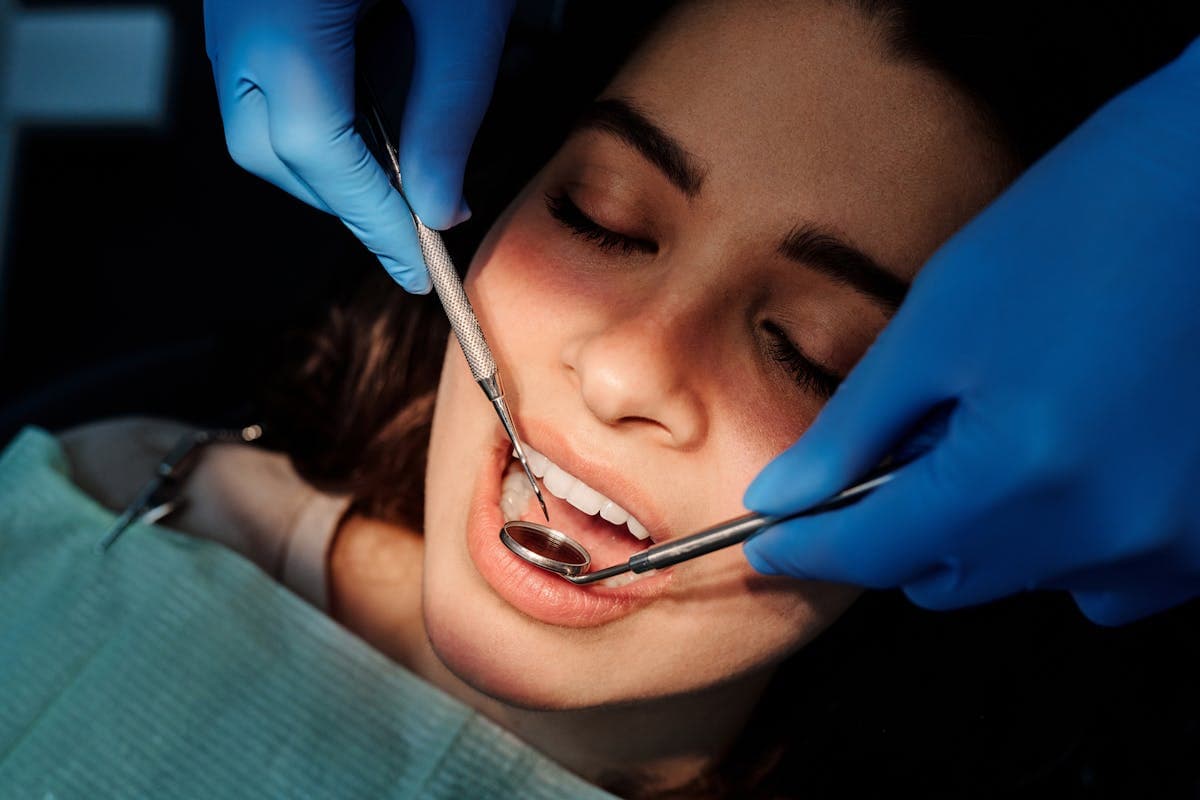
Numerous patients experience greatly increased comfort during dental procedures when sedation dentistry is utilized. This approach greatly enhances patient comfort by minimizing pain perception and muscle tension, allowing patients to remain relaxed throughout treatment. Sedation dentistry provides effective anxiety relief, which is vital for individuals who experience fear or nervousness about dental visits. By calming the nervous system, sedation helps reduce the physical and psychological stress often associated with dental care. This improvement in comfort not only benefits patients emotionally but also facilitates smoother procedures for dental professionals. Overall, sedation dentistry creates a more positive experience, encouraging patients to maintain regular dental visits without fear, thereby supporting better oral health outcomes through increased willingness to seek necessary care.
Faster Treatment Sessions
Many dental procedures can be completed more efficiently when patients undergo sedation, as it allows for longer, uninterrupted treatment sessions. This leads to faster procedures and more efficient treatments, reducing the number of visits required. Sedation dentistry benefits patients by:
- Minimizing breaks caused by patient discomfort or anxiety, enabling continuous focus from the dental team.
- Allowing complex or multiple procedures to be combined into a single session, saving time overall.
- Enhancing patient cooperation, which streamlines the workflow and shortens appointment durations.
Who Can Benefit From Sedation Dentistry?
Who stands to gain the most from sedation dentistry? Individuals experiencing dental fear or high anxiety, often stemming from previous trauma or extreme phobia, benefit considerably. Sedation dentistry is particularly advantageous for patients requiring complex procedures that may be lengthy or uncomfortable. Elderly patients and those with special needs also gain from sedation, as it helps manage physical limitations and reduces stress during treatment. Children dentistry frequently employs sedation to ease fear and guarantee cooperation, making procedures smoother and less traumatic. By addressing these diverse needs, sedation dentistry offers a compassionate solution that enhances patient comfort, promotes cooperation, and facilitates successful dental care for those who might otherwise avoid necessary treatment due to anxiety or fear.
Preparing for Sedation Dentistry
Understanding the types of patients who benefit from sedation dentistry naturally leads to recognizing the significance of proper preparation for these procedures. Effective preparation enhances safety and comfort while minimizing anxiety. A thorough pre sedation checklist is essential to identify any health conditions or medications that may affect sedation. Patient education plays an important role in setting realistic expectations and ensuring cooperation. Key preparatory steps include:
- Reviewing medical history and current medications to prevent complications.
- Providing clear instructions regarding fasting or medication adjustments before the appointment.
- Educating the patient about the sedation process and post-procedure care to reduce fear and promote compliance.
Adhering to these guidelines supports a smooth sedation experience tailored to individual needs, fostering trust and reducing dental anxiety.
What to Expect During and After Sedation
Although sedation dentistry aims to create a calm and pain-free experience, patients should be aware of the sensations and procedures involved during and after sedation. During the procedure, patient experiences often include feelings of relaxation, reduced anxiety, and minimal awareness of dental work. Depending on the type of sedation, some may feel drowsy or slightly disoriented. After the procedure, sedation recovery varies among individuals but typically involves grogginess and slowed reflexes for a few hours. It is crucial for patients to arrange transportation home and avoid strenuous activities until fully alert. Dental professionals monitor essential signs throughout and provide post-care instructions to guarantee safety and comfort. Understanding what to expect can help alleviate concerns and support a smoother sedation recovery process.
Safety Considerations and Risks of Sedation Dentistry
While sedation dentistry offers significant benefits in managing patient comfort and anxiety, it also involves specific safety considerations and potential risks that must be carefully evaluated. Guaranteeing patient safety requires thorough medical history assessments and monitoring throughout the procedure. The primary sedation risks include respiratory depression, allergic reactions, and adverse drug interactions. To mitigate these concerns, dental professionals adhere to strict protocols:
- Extensive pre-sedation evaluation to identify contraindications and allergies.
- Continuous monitoring of crucial signs during sedation to promptly detect complications.
- Post-procedure observation to manage delayed adverse effects and guarantee safe recovery.
Frequently Asked Questions
Can Sedation Dentistry Affect My Memory of the Procedure?
Sedation dentistry can cause temporary memory effects, particularly with deeper sedation types like general anesthesia or intravenous sedation. These effects usually involve partial or complete amnesia of the procedure, aiding patient comfort and reducing anxiety during treatment.
Is Sedation Dentistry Covered by Dental Insurance?
Coverage options for sedation dentistry vary widely among insurance policies, often depending on medical necessity. Patients should review individual plans carefully and consult insurers to determine if sedation procedures qualify for partial or full reimbursement under their dental coverage.
How Long Does Sedation Take to Wear off Completely?
Sedation duration typically ranges from 30 minutes to several hours, depending on the method used. Recovery time varies individually, often requiring several hours before full alertness returns, necessitating post-procedure rest and avoidance of driving or operating machinery.
Can I Eat or Drink Before Sedation Dentistry?
Patients should follow pre sedation guidelines, including fasting recommendations, typically avoiding food and drink for several hours before the procedure to reduce risks. Specific instructions vary, so consulting the dental provider guarantees safety and comfort.
Will I Need Someone to Drive Me Home After Sedation?
Patients typically require post sedation care, including having a responsible individual provide transportation options home, as sedation impairs alertness and coordination, ensuring safety and comfort during recovery after the procedure.