

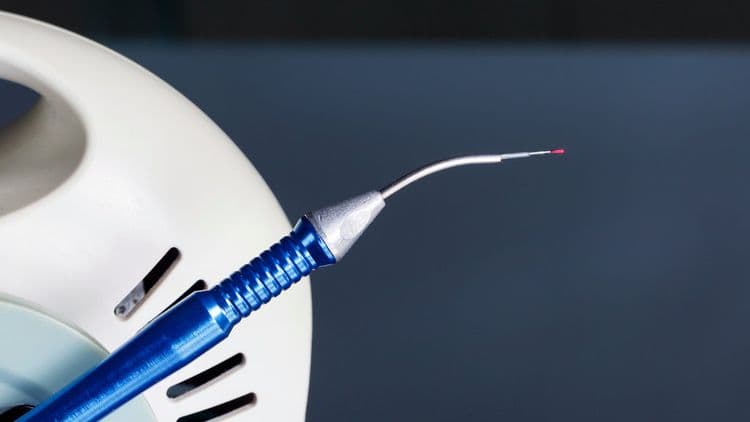
Laser treatment for gum disease presents a compelling alternative to conventional techniques, offering notable benefits such as reduced invasiveness and expedited recovery. This modern approach precisely targets infected tissue, minimizing trauma to healthy areas. However, it demands skilled practitioners to mitigate risks, and the initial investment can be substantial. Its limited availability in some regions might affect accessibility. Understanding these factors is essential for informed decision-making in periodontal care.
Understanding Gum Disease and Its Impact
Gum disease, or periodontal disease, is a prevalent oral health condition characterized by inflammation and infection of the tissues surrounding the teeth. The primary causes of gum disease include the accumulation of bacterial plaque on the tooth surface, which if not properly managed, leads to gingivitis and subsequently, periodontitis. Risk factors such as smoking, hormonal changes, diabetes, and genetic predisposition exacerbate the disease’s progression. Symptoms of gum disease manifest as swollen, bleeding gums, persistent halitosis, and in advanced stages, tooth mobility and loss. Clinically, the assessment of periodontal health involves probing pocket depths, evaluating attachment loss, and radiographic examination for alveolar bone resorption. Effective management relies on early diagnosis and intervention to prevent irreversible periodontal damage.
The Emergence of Laser Treatment in Dentistry
The advent of laser technology in dental practice signifies a paradigm shift in periodontal therapy, characterized by precision and reduced invasiveness. Clinical studies have demonstrated that advancements in dental lasers offer significant benefits, including minimized bleeding, decreased patient discomfort, and enhanced tissue regeneration. As an evidence-based approach, laser dentistry is increasingly recognized for its efficacy in treating various stages of gum disease.
Advancements in Dental Lasers
Since their introduction, dental lasers have revolutionized periodontal therapy by offering a less invasive alternative to traditional methods. Laser technology in dentistry has rapidly advanced, leading to significant dental innovations that enhance clinical outcomes. Modern lasers, such as diode and erbium lasers, enable precise targeting of diseased tissue while minimizing damage to surrounding healthy structures. These advancements in laser parameters, including wavelength specificity and adjustable power settings, contribute to improved efficacy in periodontal debridement and bacterial reduction. In addition, the development of fiber-optic delivery systems has enhanced the precision and accessibility of laser application in complex periodontal pockets. As laser technology continues to evolve, ongoing research and randomized controlled trials are essential to validate these innovations and optimize their integration into periodontal practice.
Benefits of Laser Dentistry
Building upon the advancements in dental laser technology, the benefits of laser dentistry are increasingly evident in clinical practice, particularly in the treatment of periodontal disease. Laser treatment offers a minimally invasive alternative to traditional techniques, reducing tissue damage and promoting faster healing. Its precision allows for targeted removal of diseased tissue, minimizing bleeding and discomfort. A benefits overview highlights reduced infection risk due to the laser’s bactericidal properties. Enhanced patient outcomes are supported by empirical studies demonstrating decreased postoperative pain and swelling. Patient testimonials frequently praise laser dentistry for its efficacy and minimal recovery time. The seamless integration of laser technology into periodontal therapy underscores its potential to transform clinical protocols, providing optimized care for patients with gum disease.
How Laser Treatment Works for Gum Disease
Laser treatment for gum disease operates through the precise emission of focused light energy, which is absorbed by targeted tissues and pathogens to achieve therapeutic effects. This mechanism facilitates the selective eradication of pathogenic bacteria within periodontal pockets, enhancing periodontal health while minimizing damage to surrounding healthy tissues. Clinical studies have demonstrated that laser therapy effectively reduces microbial load, thereby contributing to improved clinical outcomes in the management of periodontal disease.
Laser Therapy Mechanism Explained
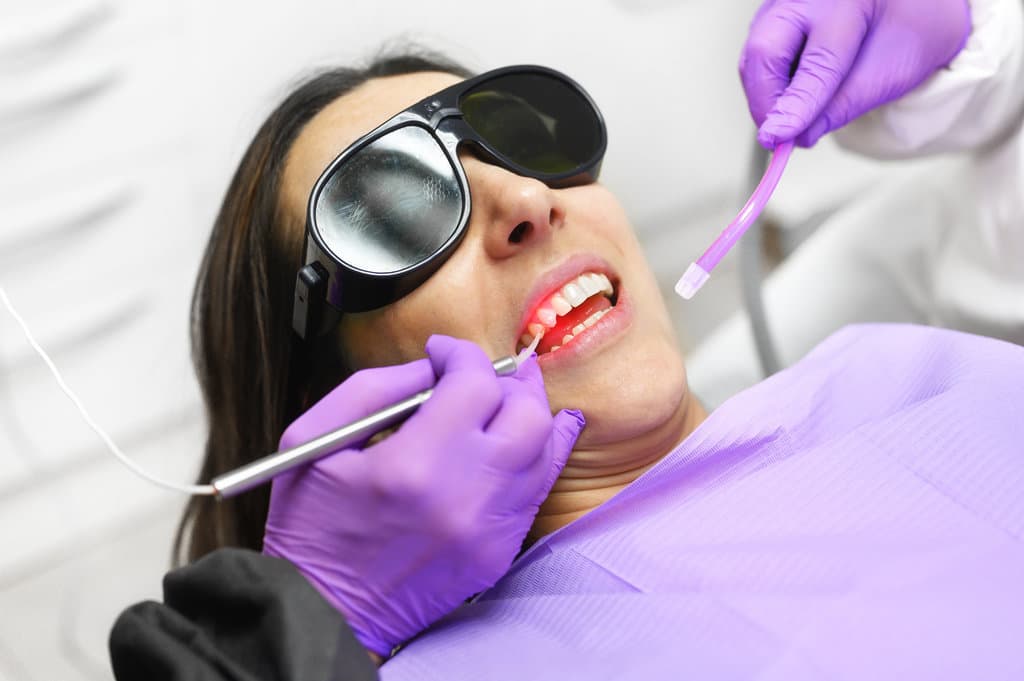
Harnessing advanced technology, laser therapy for gum disease offers a precise and minimally invasive alternative to conventional treatments. The mechanism involves directing concentrated laser energy to the affected periodontal tissues. This energy interacts with the tissues in a controlled manner, inducing a specific tissue response. The laser energy is meticulously calibrated to penetrate and target cellular structures while preserving surrounding healthy tissues. As a result, it facilitates the removal of diseased tissue and promotes coagulation, reducing bleeding and enhancing healing processes. Additionally, laser wavelengths can be adjusted to optimize the tissue response, ensuring effective intervention with minimal discomfort. This precision underscores the utility of laser therapy in periodontal care, providing targeted treatment that aligns with current clinical standards.
Targeting Bacteria Effectively
Employing targeted laser wavelengths, laser treatment effectively disrupts the bacterial colonies responsible for gum disease. This precision allows for selective targeting of pathogenic microorganisms without affecting the surrounding healthy tissue. The mechanism involves the absorption of laser energy by pigmented bacteria, leading to thermal and photodynamic effects that eradicate these pathogens. Importantly, this method minimizes the risk of bacterial resistance, a common issue with antibiotic treatments. Clinical studies have demonstrated enhanced treatment efficiency, with lasers reducing bacterial load considerably when compared to traditional scaling and root planing methods. The use of laser therapy therefore represents a paradigm shift in periodontal disease management, offering a minimally invasive alternative that enhances patient outcomes while maintaining periodontal health.
Advantages of Laser Treatment for Gum Disease
The utilization of laser technology in periodontal therapy offers several distinct advantages over conventional treatment methods. Importantly, patient experiences are often enhanced due to the minimally invasive nature of laser procedures, resulting in reduced discomfort and expedited recovery times. Additionally, laser treatment has been demonstrated to yield superior treatment outcomes, with studies indicating enhanced tissue regeneration and decreased periodontal pocket depths. The precision of laser technology allows for targeted removal of diseased tissue while preserving healthy structures, thereby contributing to a more efficient healing process. Furthermore, laser therapy minimizes bleeding and swelling post-procedure, further optimizing the patient’s recovery experience. These advantages collectively underscore the efficacy and potential of laser treatment as a progressive option for addressing periodontal disease within clinical settings.
Potential Drawbacks of Laser Treatment
Despite the numerous advantages, laser treatment for gum disease does present certain limitations and potential drawbacks that warrant consideration. One notable concern is the possible side effects associated with laser usage, including thermal damage to adjacent healthy tissues. The precision required for effective treatment necessitates highly skilled practitioners; any inaccuracy may result in complications such as root hypersensitivity or damage to the tooth structure. Additionally, treatment accessibility poses a challenge, as not all dental clinics are equipped with the necessary laser technology, potentially limiting patient access to this modality. Moreover, the need for specialized training and equipment may contribute to variability in treatment outcomes. Consequently, patients should critically evaluate these factors, alongside professional guidance, when considering laser therapy for periodontal disease.
Cost Considerations for Laser Therapy
While evaluating the feasibility of laser treatment for gum disease, it is imperative to contemplate the financial implications associated with this advanced therapeutic approach. Laser therapy, often perceived as a premium dental procedure, may incur higher initial costs than conventional methods. Insurance coverage varies considerably, and patients should verify their policy specifics to understand potential out-of-pocket expenses. Despite the upfront financial burden, laser treatment might offer long term savings by reducing the need for recurrent interventions or complex periodontal surgeries. Clinical studies suggest enhanced periodontal stability, potentially mitigating future costs associated with periodontal disease management. As a result, a thorough cost-benefit analysis, considering both immediate expenses and prospective savings, is essential for informed decision-making regarding laser treatment for gum disease.
Comparing Laser Treatment to Traditional Methods
When evaluating treatment modalities for gum disease, comparing laser treatment to traditional methods reveals distinct differences in approach and outcomes. Laser therapy effectiveness has been shown to offer a minimally invasive option, reducing bleeding and promoting faster healing. It selectively targets diseased tissue while preserving healthy structures, potentially leading to enhanced periodontal regeneration. Conversely, traditional scaling and root planing involve mechanical debridement to remove plaque and calculus. This method, while effective, may involve greater discomfort and longer recovery periods. Evidence suggests that laser therapy can achieve comparable, if not superior, clinical outcomes in specific cases, especially for patients contraindicated for surgery. However, the choice between laser and traditional methods should be guided by individual patient factors and clinical judgment.
Finding a Qualified Practitioner for Laser Treatment
Selecting the appropriate treatment modality for gum disease often necessitates a careful evaluation of practitioner competence, particularly when considering laser therapy. It is essential to engage in thorough researching of credentials to guarantee the practitioner possesses requisite qualifications and certifications to perform laser treatment. Verifying membership in professional organizations, such as the American Dental Association, can substantiate their commitment to continuing education and adherence to industry standards. Additionally, evaluating experience is vital; practitioners with extensive clinical exposure to laser procedures are more likely to achieve favorable outcomes. Prospective patients should seek testimonials or case studies demonstrating successful treatment histories. Such due diligence guarantees that laser therapy is administered by a skilled professional, minimizing the risk of complications and optimizing therapeutic efficacy.
Making the Right Choice for Your Oral Health
How does one determine the most suitable approach for their oral health amidst various treatment options? The decision-making process involves a detailed evaluation of individual oral health status, integrating clinical assessments with evidence-based data. Oral hygiene practices and preventative measures form the cornerstone of maintaining periodontal health. Laser treatment, an adjunctive therapy, may be considered for its precision and reduced recovery time. However, its efficacy must be weighed against traditional methods. A thorough dental examination, including probing pocket depths and evaluating attachment levels, helps tailor treatment. Clinicians must consider patient-specific factors such as medical history, oral hygiene habits, and the severity of periodontal disease. Ultimately, a personalized treatment plan, incorporating both preventative strategies and therapeutic interventions, guarantees ideal oral health outcomes.
Frequently Asked Questions
Is Laser Treatment for Gum Disease Covered by Dental Insurance?
Insurance coverage for dental procedures varies considerably, with laser treatment for gum disease often categorized under elective treatments. Consequently, treatment costs might not be fully covered, necessitating patient verification with their specific insurance policy for precise details.
How Long Does a Typical Laser Gum Treatment Session Last?
The treatment duration for a typical laser gum session ranges from 60 to 90 minutes, with session frequency often determined by the severity of the condition, requiring multiple appointments to achieve ideal clinical outcomes.
Are There Any Dietary Restrictions After Laser Treatment for Gum Disease?
Post-treatment dietary restrictions often include soft, healing foods to facilitate ideal recovery. Adhering to stringent oral hygiene protocols is essential, minimizing infection risk and promoting tissue regeneration. Patients are generally advised to avoid hard, spicy, or acidic foods initially.
What Is the Recovery Time After Laser Gum Treatment?
The recovery time following laser gum treatment varies, typically spanning one to two weeks. Post-treatment care involves adhering to specific oral hygiene practices and dietary recommendations, facilitating an ideal healing process and minimizing potential complications during tissue recovery.
Can Laser Treatment Be Used for Severe Gum Disease Cases?
Laser treatment’s effectiveness in severe gum disease cases varies. While it can target bacteria and diseased tissue, treatment limitations include potential ineffectiveness for advanced bone loss, necessitating thorough evaluation by dental professionals to determine appropriateness for individual cases.