

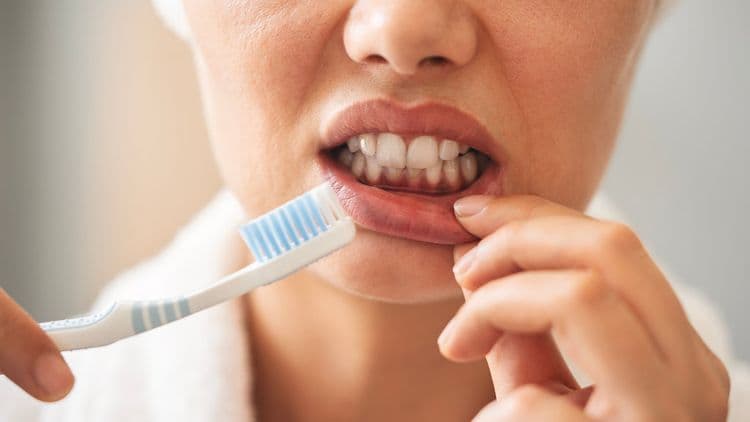
Gum recession is a common dental condition characterized by the gradual loss of gum tissue around the teeth. This exposure of tooth roots can lead to sensitivity, increased risk of decay, and aesthetic concerns. While some believe that gums may naturally regenerate, the biological limitations of gum tissue suggest otherwise. Understanding the factors influencing gum recovery and available treatment options is essential for effective management and prevention.
Understanding Gum Recession
Although gum recession is a common dental condition, it requires careful examination to understand its etiology and progression. The gum anatomy comprises the gingiva, a specialized mucosal tissue that surrounds and protects the teeth and underlying bone. The primary gum function is to provide a seal around the teeth, preventing bacterial infiltration and maintaining periodontal health. Recession occurs when the gingival margin migrates apically, exposing the tooth root surface. This exposure compromises the protective barrier, increasing sensitivity and susceptibility to decay. Accurate assessment of gum recession involves evaluating the extent of tissue loss and its impact on periodontal stability. Understanding the structural and functional aspects of the gums is essential for diagnosing recession severity and informing appropriate clinical management strategies.
Common Causes of Receding Gums
Receding gums primarily result from periodontal disease, which causes the destruction of supporting gum tissue. Aggressive or improper brushing techniques can also contribute to gum tissue loss by causing mechanical trauma. Additionally, genetic predispositions and lifestyle factors such as tobacco use influence the susceptibility to gum recession.
Gum Disease Impact
When gum disease progresses unchecked, it markedly contributes to the deterioration of the supporting structures of the teeth, leading to the exposure of the tooth roots. Gum disease, primarily caused by bacterial plaque accumulation, results from insufficient oral hygiene practices. Inflammatory responses triggered by plaque induce gum tissue destruction and bone loss around teeth. This pathological process causes the gums to recede, compromising periodontal attachment. Early-stage gum disease, or gingivitis, is reversible with improved oral hygiene, but advanced periodontitis leads to irreversible tissue damage and recession. Persistent inflammation weakens the connective tissue and alveolar bone, exacerbating gum recession. Consequently, maintaining rigorous oral hygiene is critical to prevent the onset and progression of gum disease, thus mitigating its impact on gum recession and overall periodontal health.
Brushing Technique Effects
Improper brushing techniques greatly contribute to gum recession by causing mechanical trauma to the gingival tissues. Aggressive brushing, use of hard-bristled toothbrushes, and incorrect angulation can lead to abrasion of the gum margin. Brushing techniques that involve excessive force or horizontal scrubbing disrupt the epithelial attachment, exposing root surfaces. Proper alignment of the toothbrush bristles at a 45-degree angle to the gingival margin facilitates effective plaque removal while minimizing tissue damage. Consistent use of gentle, circular motions preserves gingival integrity and reduces the risk of recession. Additionally, patients should be educated about selecting appropriate toothbrush types and maintaining proper alignment during brushing. Inadequate brushing techniques remain a significant, preventable factor in the etiology of gum recession, highlighting the importance of targeted oral hygiene instruction.
Genetic and Lifestyle Factors
Although oral hygiene practices play a critical role, genetic predisposition and lifestyle choices greatly influence the development of gum recession. Individuals with a genetic predisposition may exhibit thinner gingival tissues or a naturally shallow gum line, increasing vulnerability to recession despite adequate oral care. Additionally, lifestyle choices such as tobacco use, poor nutrition, and inadequate stress management contribute considerably to periodontal health deterioration. Smoking impairs blood flow to gum tissues, hindering healing and promoting recession. Nutritional deficiencies, particularly of vitamins C and D, compromise tissue integrity and immune response. Moreover, chronic stress can exacerbate inflammatory responses, accelerating gum tissue breakdown. Consequently, addressing both inherent genetic factors and modifiable lifestyle choices is critical in preventing and managing receding gums effectively.
Signs and Symptoms to Watch For
How can one identify the early indications of receding gums? Early detection relies on recognizing specific clinical signs and symptoms associated with gum recession. Patients often report increased gum sensitivity, especially to temperature changes or tactile stimuli. Poor oral hygiene may exacerbate these symptoms, contributing to plaque accumulation and further recession.
Key signs and symptoms include:
- Visible lengthening of teeth due to gum tissue loss
- Sensitivity or discomfort near the gum line
- Noticeable gaps or pockets between teeth and gums
- Redness or inflammation indicating possible infection
Timely identification of these indicators allows for prompt dental evaluation and intervention, potentially mitigating progression and preserving periodontal health.
Can Gums Naturally Regrow?
Gum tissue has limited natural regenerative capacity, primarily influenced by the severity of recession and individual health factors. Healing potential depends on proper oral hygiene, absence of ongoing trauma, and systemic conditions. Certain home remedies may support gum health but cannot fully restore lost gum tissue without professional intervention.
Natural Gum Regrowth Potential
While soft tissue in the oral cavity possesses some capacity for healing, the ability of gums to naturally regrow after recession is limited. Natural remedies and dietary influences may support overall gum health but rarely induce true regrowth of lost gum tissue. The gingival margin, once receded, does not typically regenerate to its original position without clinical intervention. Key considerations regarding natural gum regrowth potential include:
- Limited cellular regeneration capacity of gingival tissues
- Role of anti-inflammatory natural remedies in reducing further damage
- Dietary influences providing essential nutrients for gum maintenance
- Absence of spontaneous reversal in advanced recession cases
Thus, while supportive care can improve gum condition, actual regrowth is minimal without professional treatment.
Factors Affecting Gum Healing
Although the potential for natural gum tissue regeneration is limited, several factors influence the healing capacity of gingival tissues following recession. Effective oral hygiene is critical in minimizing bacterial accumulation and inflammation, thereby promoting a more favorable environment for tissue repair. Dietary habits also greatly impact gum health; a nutrient-rich diet, particularly one high in vitamins C and D, supports collagen synthesis and immune function, which are essential for tissue regeneration. Conversely, poor nutrition and inadequate oral hygiene can exacerbate tissue breakdown and impede healing. Systemic health conditions, smoking, and genetic predisposition further modulate the regenerative response. Ultimately, while natural regrowth is constrained, optimizing oral hygiene and dietary habits can enhance the body’s capacity to maintain and partially restore gum tissue integrity after recession.
Home Remedies for Gums
Considering the limited natural regenerative capacity of gingival tissues, interest has grown in various home remedies that claim to support gum health and potentially stimulate tissue recovery. Natural remedies and herbal treatments are often explored for their anti-inflammatory, antimicrobial, and healing properties. However, scientific evidence supporting their efficacy in reversing gum recession remains limited. Commonly referenced home remedies include:
- Oil pulling with coconut or sesame oil to reduce bacterial load
- Application of aloe vera gel for its soothing and anti-inflammatory effects
- Use of green tea extracts for antioxidant benefits
- Saltwater rinses to promote oral hygiene and reduce plaque
While these methods may aid in maintaining gum health and preventing further recession, they do not regenerate lost gum tissue. Professional dental intervention remains essential for managing receding gums effectively.
Preventive Measures to Protect Your Gums
Effective preventive measures are essential to maintain gum health and mitigate the progression of gum recession. Consistent gum care, including proper brushing and flossing techniques, is fundamental to removing plaque and preventing bacterial buildup that can damage gum tissue. Utilizing a soft-bristled toothbrush and avoiding aggressive brushing reduces mechanical trauma to the gums. Routine dental check-ups enable early detection and management of periodontal issues. Maintaining ideal oral hygiene, such as using antimicrobial mouth rinses, further decreases pathogenic microbial load. Lifestyle factors, including smoking cessation and a balanced diet rich in vitamins C and D, support periodontal health. These preventive actions collectively contribute to sustaining gum integrity and minimizing the risk of recession, thereby preserving overall oral function and aesthetics.
Treatment Options for Receding Gums
When gum recession occurs, various treatment options can be employed to restore gum tissue and prevent further deterioration. These interventions aim to protect tooth roots, reduce sensitivity, and enhance oral health. Commonly utilized treatments include:
- Gum grafts: Surgical procedures transplanting tissue to cover exposed roots, promoting tissue regeneration.
- Laser therapy: Minimally invasive technique that removes diseased tissue and stimulates healing.
- Scaling and root planing: Deep cleaning to eliminate plaque and tartar below the gumline, reducing inflammation.
- Pinhole surgical technique: A less invasive alternative to grafts that repositions gum tissue to cover exposed roots.
Each treatment is selected based on the severity of recession, patient health, and clinical evaluation to optimize outcomes and halt progression.
Lifestyle Changes to Promote Gum Health
Adopting specific lifestyle changes can markedly enhance gum health and reduce the risk of further recession. Implementing dietary changes—such as increasing intake of vitamin C and calcium-rich foods—supports collagen synthesis and bone density, vital for gum tissue stability. Avoiding excessive sugar consumption minimizes plaque formation, a primary contributor to periodontal disease. Additionally, effective stress management plays an important role, as chronic stress can impair immune response, exacerbating inflammation and delaying tissue healing. Incorporating regular physical activity and relaxation techniques, such as mindfulness or yoga, can mitigate stress-related impacts on oral health. Collectively, these lifestyle modifications complement standard oral hygiene practices, fostering a favorable environment for gum tissue maintenance and potentially mitigating progression of recession.
When to See a Dental Professional
While lifestyle modifications can support gum health and slow recession, professional evaluation remains a key component in managing periodontal conditions. Early intervention by a dental professional is critical when specific dental symptoms arise or oral hygiene is compromised. Prompt consultation allows for accurate diagnosis and tailored treatment plans. Individuals should seek dental care if they experience:
- Persistent gum sensitivity or bleeding during brushing
- Noticeable gum tissue pulling away from teeth
- Loose teeth or changes in bite alignment
- Chronic bad breath unresponsive to improved oral hygiene
Regular dental check-ups facilitate monitoring of gum recession progression and guarantee timely therapeutic measures. Ignoring these symptoms may lead to irreversible periodontal damage, emphasizing the importance of professional oversight alongside personal oral hygiene practices.
Frequently Asked Questions
Can Receding Gums Affect My Overall Health?
Receding gums can impact overall health by increasing susceptibility to gum disease, which may contribute to systemic conditions. Maintaining proper oral hygiene is essential to mitigate risks and preserve both oral and general health effectively.
Are Receding Gums Hereditary?
Receding gums can be influenced by genetic factors, contributing to an individual’s susceptibility. While environmental and lifestyle aspects affect gum health, hereditary predisposition plays a significant role in the likelihood of developing gum recession.
How Do Dental Implants Impact Gum Recession?
Dental implants can stabilize surrounding teeth, potentially improving gum health but may also cause localized gum recession if improperly placed. Proper surgical technique and maintenance are essential to minimize negative impacts on gum tissue around implants.
Can Whitening Toothpaste Worsen Gum Recession?
Whitening toothpaste containing abrasive whitening ingredients may exacerbate gum sensitivity, potentially worsening gum recession in susceptible individuals. Careful selection and use under dental guidance can minimize adverse effects on gingival health and prevent further tissue damage.
Is Gum Recession Reversible With Natural Remedies Alone?
Gum recession is generally not reversible with natural treatments alone. While natural remedies may support gum health and reduce inflammation, they cannot restore lost gum tissue; professional dental intervention is typically required for effective treatment.